
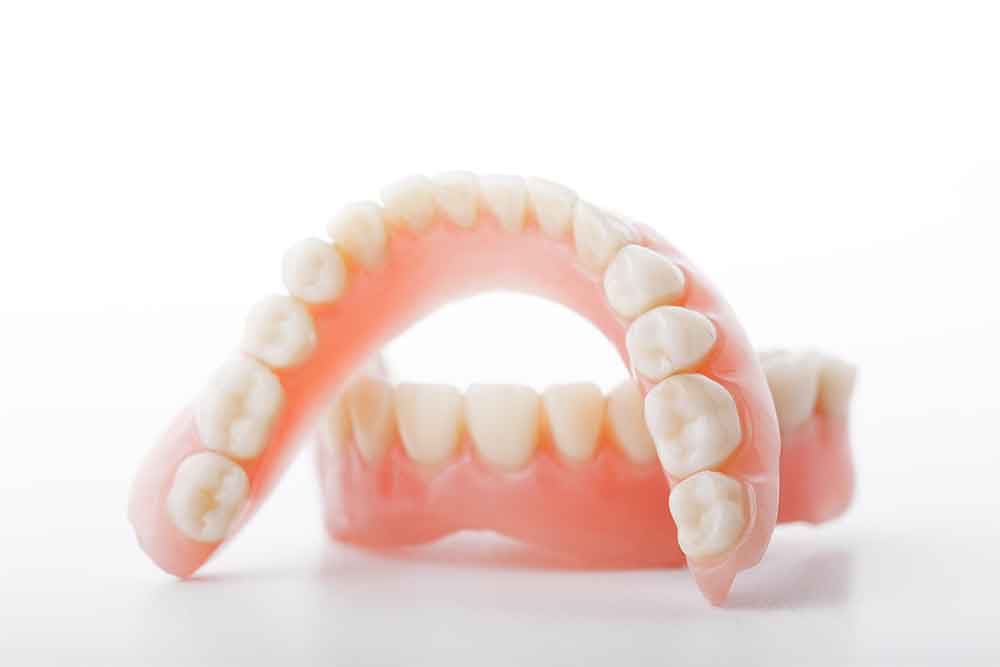
Getting dentures involves more than replacing missing teeth. Successful treatment also depends on the condition of the gums, jawbone, remaining natural teeth, bite alignment, and the way a person’s mouth changes over time.
A complete dental evaluation helps identify these factors before treatment begins. Ongoing care is also important after dentures are placed because the fit may change, sore areas can develop, and remaining teeth may need additional protection. Understanding how dentures fit into a broader oral health plan can help patients prepare for treatment and maintain better comfort, function, and confidence.
Why Is a Complete Oral Health Evaluation Important Before Dentures?
Before recommending dentures, a dentist typically evaluates the entire mouth rather than focusing only on the missing teeth. This examination may include the gums, jawbone, remaining teeth, bite, facial structure, and any signs of decay, infection, or periodontal disease.
These findings can influence which tooth-replacement option may be appropriate. Some patients may be candidates for partial dentures, while others may need full dentures or an implant-supported solution. Existing oral health concerns may also need to be addressed before the denture process begins.
For example, untreated gum disease can affect the tissues that support a denture. Damaged or infected teeth may require treatment or removal. Bone loss may also affect how well a denture fits and whether certain implant-supported options are possible.
A thorough evaluation gives the dental team an opportunity to develop a treatment plan based on the patient’s current oral health rather than offering a one-size-fits-all solution.
Patients who want to learn more about available tooth-replacement options can review our denture services in Burlington.
What Should Be Included in a Denture Treatment Plan?
A denture treatment plan should explain more than the type of appliance being recommended. It should also outline the steps required before, during, and after the denture is made.
Important parts of a treatment plan may include:
- The condition of the gums and supporting bone
- Whether any remaining teeth can be preserved
- The type of denture being considered
- The materials used to create the appliance
- The number of appointments required
- Expected healing time after extractions
- How the bite will be evaluated
- Follow-up visits and adjustments
- Cleaning and maintenance instructions
- Possible future repairs, relines, or replacement
Patients should also understand the differences between conventional dentures, immediate dentures, partial dentures, and implant-supported dentures.
Conventional dentures are usually made after the gums have healed following tooth removal. Immediate dentures may be placed sooner, but they often need adjustments as the mouth heals. Partial dentures replace some missing teeth while using the remaining teeth for support. Implant-supported dentures use dental implants to improve stability.
The right option depends on oral health, functional needs, treatment goals, and other individual factors.
How Do Dentures Affect Eating and Speaking?
New dentures can temporarily change the way a person eats and speaks. The muscles of the cheeks and tongue need time to adjust to the appliance, and patients may initially notice increased saliva, mild soreness, or difficulty pronouncing certain words.
Starting with soft foods can make the adjustment period easier. Foods can be cut into smaller pieces and chewed slowly on both sides of the mouth to help keep the denture balanced. Sticky, very hard, or difficult-to-chew foods may need to be avoided during the early stages.
Speaking aloud at home can also help patients adjust. Reading, repeating challenging words, and practicing normal conversation may improve pronunciation as the tongue becomes accustomed to the denture.
Persistent clicking, slipping, pain, or difficulty chewing should not simply be ignored. These symptoms may indicate that an adjustment is needed.
Why Does Ongoing Dental Care Matter After Getting Dentures?
Regular dental visits remain important even when a patient no longer has all of their natural teeth. A dentist can examine the gums, tongue, palate, jaw joints, and other oral tissues while also checking the condition and fit of the denture.
The gums and jawbone naturally change over time. These changes can cause a denture that once fit well to become loose. A loose appliance may move while speaking, make chewing more difficult, trap food underneath, or create sore areas.
Routine appointments allow these concerns to be identified before they become more uncomfortable. Depending on the condition of the denture, the dentist may recommend an adjustment, repair, reline, or replacement.
Patients with partial dentures also need preventive care for their remaining natural teeth. The teeth supporting the appliance may be more vulnerable to plaque buildup, decay, and gum problems if they are not cleaned carefully.
Ongoing care helps protect both the denture and the surrounding oral structures.
How Should Dentures Be Cleaned and Maintained?
Dentures collect plaque, food particles, and stains just as natural teeth do. Daily cleaning helps reduce odor, irritation, and buildup on the appliance.
Most dentures should be removed and rinsed after eating. They can then be brushed gently using a denture brush or a soft-bristled toothbrush. Regular toothpaste may be too abrasive for some denture materials, so patients should use a cleaner recommended by their dental provider.
The gums, tongue, palate, and remaining teeth should also be cleaned each day. This helps remove bacteria and supports healthier oral tissues.
Unless otherwise instructed, dentures are often removed overnight. This gives the gums time to rest. The appliance may need to be stored in water or a denture-soaking solution to prevent it from drying out or losing its shape.
Hot water should be avoided because it can warp the denture. Patients should also avoid trying to adjust, bend, or repair the appliance at home. Household adhesives and do-it-yourself repair kits can damage the denture and make professional repair more difficult.
What Costs Should Patients Consider Beyond the Initial Denture?
The initial cost of a denture is only one part of long-term treatment. Patients should also consider the possibility of future appointments, adjustments, repairs, relines, and eventual replacement.
Costs may vary based on:
- The type of denture
- The materials used
- The number of teeth being replaced
- Whether extractions are required
- Whether gum treatment is needed first
- Laboratory and fabrication requirements
- The need for dental implants
- Insurance benefits
- Financing arrangements
Immediate dentures may require additional adjustments while the gums heal and change shape. Conventional dentures may also need to be relined after years of use. Accidental drops, cracks, or worn teeth can create repair expenses.
Patients should ask what is included in the treatment estimate and whether follow-up adjustments are covered for a specific period. Understanding the full treatment process can make it easier to plan for both the initial care and long-term maintenance.
When Should a Denture Be Adjusted or Replaced?
Dentures are not expected to last forever. Even when the appliance remains intact, changes in the mouth can affect its fit and performance.
Signs that a denture may need attention include:
- Frequent slipping or movement
- Sore or irritated gums
- Difficulty chewing
- Clicking while speaking
- Cracks or damaged denture teeth
- Changes in facial support
- Food becoming trapped under the appliance
- The need for increasing amounts of adhesive
- A noticeable change in the bite
Using an ill-fitting denture for too long may contribute to ongoing discomfort and irritation. It may also make eating more difficult and place uneven pressure on the gums.
A dental evaluation can determine whether the denture needs a minor adjustment, repair, reline, or full replacement.
Coordinating Denture Care With Your Overall Dental Needs
Denture treatment works best when it is planned as part of a complete oral health strategy. The health of the gums, remaining teeth, supporting bone, jaw joints, and bite can all influence comfort and long-term performance.
Monahan Family and Cosmetic Dentistry evaluates these factors when helping patients understand their tooth-replacement choices. Recommendations are based on individual oral health needs, functional concerns, and treatment goals.
Patients ready to compare full, partial, immediate, or implant-supported options can explore our custom denture options for more information.
Frequently Asked Questions
How long does it take to get dentures made?
The timeline depends on the type of denture and whether other treatment is needed first. The process may take several appointments for evaluation, impressions, bite measurements, fittings, and final placement. Patients who need extractions may also require healing time.
Can I eat normally with dentures?
Most patients can eat a wide variety of foods after they become comfortable with their dentures. It is usually helpful to begin with softer foods, take smaller bites, and chew slowly on both sides of the mouth.
Will dentures feel uncomfortable at first?
Mild soreness, increased saliva, and a feeling of fullness are common during the adjustment period. Persistent pain, severe irritation, or repeated slipping should be evaluated by a dentist.
How often should dentures be replaced?
The replacement schedule varies. Dentures may last for several years, but changes in the gums, jawbone, bite, and appliance materials can affect how long they remain comfortable and functional.
Do I still need dental visits if I have full dentures?
Yes. Dental visits allow the dentist to examine the oral tissues, check the fit of the appliance, screen for abnormalities, and identify signs of irritation or infection.
Can dentures be repaired if they crack?
Many cracked or damaged dentures can be professionally repaired. Patients should not use household glue because it may contain unsafe materials or make the appliance more difficult to repair correctly.
Are implant-supported dentures different from traditional dentures?
Yes. Implant-supported dentures attach to dental implants placed in the jawbone. They may provide greater stability than traditional removable dentures, but eligibility depends on oral health, bone condition, and other treatment factors.
Learn More About Your Denture Options
Every patient has different oral health needs, patterns of tooth loss, and treatment goals. A dental evaluation can help determine which replacement option may offer the right balance of comfort, appearance, stability, and function.
Visit our denture services page to learn more about treatment options or to request an appointment with Monahan Family and Cosmetic Dentistry.