
Dental cleanings have changed significantly in recent years. New instruments, improved techniques, and a greater understanding of dental sensitivity are helping patients feel more relaxed and comfortable during routine preventive visits.
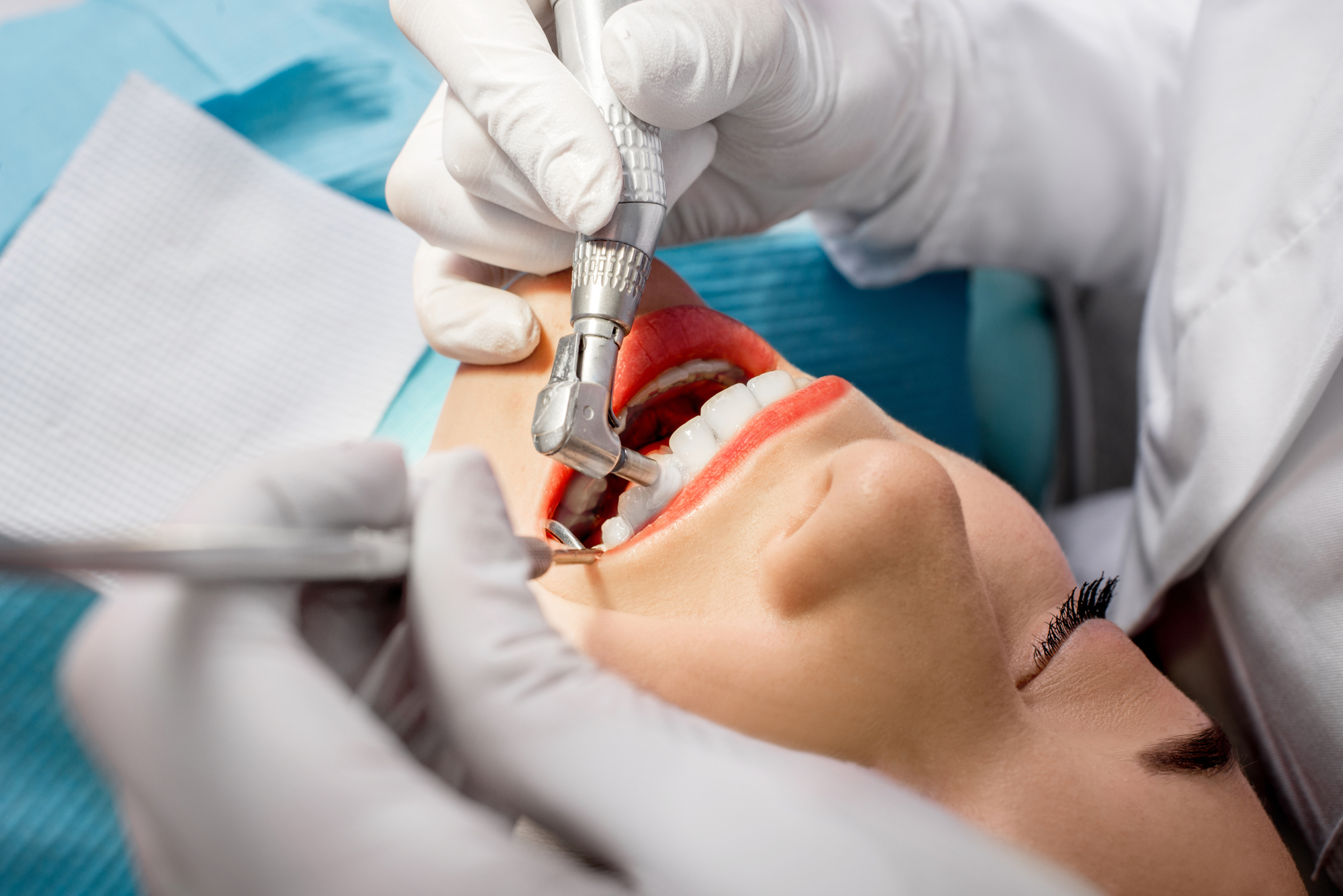
Instead of relying only on traditional hand instruments, many dental teams now use ultrasonic technology, controlled water settings, refined polishing systems, and smaller tools designed to work more precisely. These improvements may reduce pressure, shorten certain parts of the appointment, and make the overall experience feel less stressful.
Comfort also depends on communication and personalized care. Patients with sensitive teeth, gum recession, dental anxiety, or previous negative experiences can often benefit from adjustments to the pace, tools, and techniques used during their visit.
Patients who want more information about routine preventive appointments can learn about our teeth cleaning services in Burlington.
How Do Modern Dental Tools Reduce Discomfort?
Modern dental instruments are designed to remove plaque, tartar, and surface stains with greater precision and control. Depending on a patient’s oral health and sensitivity, the dental team may adjust the tools, pressure, water temperature, or pace of care to make the visit more comfortable.
The goal is not simply to complete the procedure faster. It is to clean effectively while reducing unnecessary pressure on sensitive teeth and gum tissue.
1. Less Scraping Through Greater Precision
Traditional hand instruments remain valuable, but modern tools can reduce the amount of repetitive scraping required in some areas. Ultrasonic instruments help loosen hardened deposits using controlled vibrations and water.
The dental professional can adjust the instrument’s power depending on the location of the buildup and the patient’s sensitivity.
2. Reduced Pressure on Sensitive Areas
Sensitive teeth and exposed root surfaces may require a gentler approach. Dental professionals can use lighter pressure, smaller instruments, or hand scaling in areas where ultrasonic tools may feel uncomfortable.
Patients should tell the dental team when an area feels sensitive so adjustments can be made during the appointment.
3. Better Temperature Control
Cold water can be uncomfortable for people with tooth sensitivity. Some modern equipment provides greater control over the temperature and flow of water used during care.
When available, these adjustments may help patients who experience discomfort from cold sensations.
4. A Quieter Experience
Dental sounds are a common source of anxiety. Modern instruments may operate more smoothly and quietly than older equipment, although some sound and vibration are still normal.
Knowing what to expect can make these sensations feel less alarming.
5. Improved Ergonomics for Patients
Smaller and more refined instruments can make it easier for dental professionals to reach difficult areas without requiring patients to keep their mouths open as widely for long periods.
Short breaks may also be offered when a patient experiences jaw discomfort or fatigue.
6. Personalized Care for Different Sensitivity Levels
Not every patient experiences dental care in the same way. Some people have sensitive gums, exposed roots, dental restorations, or a strong gag reflex.
The dental team can adjust the technique based on the patient’s comfort level and oral health needs.
Which Technologies Can Make Preventive Visits Gentler?
Several technologies can make preventive dental care feel smoother and more manageable. The right approach depends on the amount of buildup present, the condition of the gums, and the patient’s sensitivity level.
Modern technology does not completely replace traditional instruments. Dental professionals often combine different tools to provide thorough care while limiting unnecessary discomfort.
1. Ultrasonic Instruments Can Loosen Hardened Buildup
Ultrasonic instruments use controlled vibrations and a stream of water to help loosen tartar from the tooth surface. This may reduce the amount of repetitive hand scaling needed during some appointments.
Potential benefits may include:
- More efficient removal of certain deposits
- Less repetitive scraping in some areas
- Improved access around difficult surfaces
- Adjustable settings for different sensitivity levels
Some patients may still prefer hand instruments in sensitive areas. The dental team can use a combination of methods based on the patient’s comfort and clinical needs.
2. Air Polishing Can Remove Certain Surface Stains
Air-polishing devices use a controlled mixture of air, water, and fine powder to remove certain stains and soft deposits. Many patients describe the sensation as a light spray rather than the texture associated with traditional polishing paste.
Air polishing may not be appropriate for every patient or every type of buildup, so the dental team will determine when it is suitable.
3. Laser Technology May Support Certain Gum Treatments
Dental lasers may be used in selected periodontal procedures to target affected tissue or reduce bacteria around the gums. Laser use is not part of every routine preventive appointment and is generally recommended only when it supports a specific clinical need.
Patients who have signs of gum disease may require a different type of treatment than a standard preventive visit.
4. Advanced Suction Systems Help Control Water
Modern suction systems help remove excess water, saliva, and debris throughout the appointment. Better moisture control can reduce the need to pause frequently and may help patients feel more comfortable.
Patients who have difficulty swallowing or who feel anxious about water buildup should mention this concern before care begins.
5. Smaller, More Refined Instruments Improve Access
Smaller instrument tips can help dental professionals reach tight spaces and work around sensitive areas with greater control. This may reduce pressure on the lips, cheeks, gums, and jaw.
The dental professional will select instruments based on the patient’s mouth, comfort, and treatment needs.
6. Digital Imaging Provides Additional Diagnostic Information
Digital X-rays and other imaging tools help dental professionals evaluate areas that cannot be fully assessed through visual examination alone. These images may reveal bone changes, decay between teeth, infections, or other concerns.
Digital imaging supports the examination process, but it does not replace all hands-on measurements or gum evaluations.
How Can Dental Teams Support Anxious or Sensitive Patients?
Technology is only one part of a comfortable dental visit. Communication, pacing, and attention to individual sensitivity can have an equally important effect on the patient’s experience.
Patients should feel comfortable telling the dental team about sensitive areas, previous discomfort, anxiety, difficulty keeping their mouth open, or concerns about certain sounds and sensations. This information allows the hygienist or dentist to adjust the visit when appropriate.
1. Explaining Each Step Before It Happens
Uncertainty can increase dental anxiety. A hygienist or dentist can explain what tool will be used, what the patient may feel, and how long each step is likely to take.
This gives patients time to prepare and ask questions before care begins.
2. Numbing Options May Be Available When Appropriate
For patients with significant sensitivity or those receiving deeper gum treatment, topical anesthetic or local anesthesia may be considered.
The dental team can explain whether numbing is necessary based on the procedure and the patient’s comfort level.
3. Efficient Techniques May Reduce Time Spent on Certain Steps
Modern instruments can make some parts of preventive care more efficient. However, the total appointment time depends on the amount of buildup, gum health, diagnostic needs, and whether additional care is required.
A thorough visit should not feel rushed. The priority should remain complete, personalized care.
4. Gentle, Rhythmic Instrument Movements
Controlled movements can reduce unnecessary pressure and make sensations more predictable. Dental professionals may also alternate between tools to avoid repeatedly working on one sensitive area.
5. Adjustable Water and Instrument Settings
Ultrasonic power, water flow, and other equipment settings can often be adjusted. Lower settings may be appropriate for people with sensitivity, while heavier buildup may require a different approach.
6. Simple Adjustments Can Improve Comfort
Small changes may make a meaningful difference for anxious or sensitive patients. These can include changing the chair position, taking short breaks, adjusting water temperature, using a bite support, or agreeing on a hand signal before treatment begins.
Patients should ask the dental team which comfort options are available before or during the appointment.
7. Care Based on Individual Sensitivity
A personalized approach considers more than the amount of plaque or tartar present. Gum recession, exposed roots, previous dental work, jaw discomfort, and anxiety may all affect how care should be provided.
Sharing these concerns allows the dental team to plan a more manageable visit.
8. A Calm and Supportive Environment
Clear communication and a patient approach can help reduce stress. Patients should feel comfortable asking the dental team to pause, explain a sensation, or adjust the technique when needed.
Why Is Comfort-Focused Preventive Care Becoming More Common?
Patients increasingly expect dental care to address both clinical results and personal comfort. Dental practices are responding by improving communication, investing in adjustable equipment, and adapting techniques for people with sensitivity or anxiety.
This shift does not mean every patient receives the same technology. It means the dental team has more options available and can select an approach based on individual needs.
1. Patients Are More Proactive About Oral Health
People are increasingly interested in preventing dental problems before they become painful or expensive. A more comfortable experience may make it easier for patients to remain consistent with recommended visits.
2. Technology Supports Long-Term Oral Health
Modern tools can help dental professionals identify concerns and remove buildup more efficiently. Earlier detection and consistent preventive care may reduce the risk of more complex problems developing.
3. Dental Anxiety Is More Openly Acknowledged
Dental anxiety is common and should not be dismissed. Comfort-focused care recognizes that fear, sensitivity, and past experiences can affect a patient’s willingness to seek treatment.
Open communication helps the dental team respond appropriately.
4. Patients Value the Overall Experience
Clinical quality remains the priority, but patients also value communication, comfort, and respect. A positive experience can make future dental visits feel less intimidating.
5. Adjustable Tools Help Dental Professionals Work Effectively
Modern equipment gives dental professionals more control over pressure, vibration, water flow, and access. These adjustments can support both effectiveness and patient comfort.
6. Word-of-Mouth Encourages Better Patient Care
Patients often share their dental experiences with family and friends. Practices that listen to concerns and provide thoughtful care are more likely to build long-term patient relationships.
7. New Technology Is Becoming More Accessible
As dental technology becomes more widely available, more practices can incorporate improved instruments and equipment into patient care.
The tools used may vary, but the overall goal remains the same: thorough care that respects each patient’s needs.
What Should You Tell Your Dental Team Before Your Visit?
A more comfortable appointment often begins with a simple conversation. Tell the dental team if you have sensitive teeth, gum recession, a strong gag reflex, difficulty staying in one position, dental anxiety, or discomfort with cold water and certain instruments.
It is also helpful to mention previous experiences that made dental care difficult. This allows the hygienist and dentist to explain available options, adjust the pace, and identify whether your symptoms may require additional evaluation.
Routine preventive care and treatment for gum disease are not the same. The type of care recommended will depend on the condition of your teeth and gums, the amount of buildup present, and the findings from your examination.
For details about what happens during a routine appointment, available cleaning options, and how often care may be recommended, visit our Burlington teeth cleaning service page.