
Dental implants can provide a stable, long-term option for replacing missing teeth, but successful treatment depends on more than choosing an implant system. Bone health, gum condition, medical history, treatment planning, and aftercare all influence the final result.
Before moving forward, patients should understand how implant treatment works, what qualifications matter when choosing a provider, and which factors may affect cost and recovery. Knowing what to expect makes it easier to ask informed questions and decide whether implant treatment fits your dental needs.
For details about treatment options available through our practice, visit our dental implant services in Burlington.
What Factors Affect Dental Implant Success?
Dental implant success depends on careful planning, healthy supporting tissues, and consistent care after treatment. While implant materials and technology are important, the condition of the mouth often has the greatest influence on the outcome.
Important factors include:
- Adequate jawbone density
- Healthy gums
- Good oral hygiene
- Controlled medical conditions
- Tobacco use
- Proper implant placement
- Regular dental checkups
- Following post-treatment instructions
A dentist will usually evaluate the gums, jawbone, bite, and surrounding teeth before recommending treatment. Digital imaging may also be used to identify the best position for the implant and determine whether additional procedures are needed.
Some patients may require bone grafting or gum treatment before implant placement. These steps can increase the total treatment time, but they may create a healthier foundation for the implant.
How Does Treatment Planning Improve Implant Longevity?
Detailed treatment planning helps reduce complications and supports a more predictable result. Before placing an implant, the dental team must determine whether there is enough bone to support it and whether the proposed restoration will fit comfortably within the patient’s bite.
Planning may include:
- A comprehensive dental examination
- Digital X-rays or three-dimensional imaging
- Review of medical and dental history
- Assessment of gum health
- Evaluation of bite alignment
- Discussion of tooth replacement goals
The location of the missing tooth also matters. Replacing a front tooth may involve different cosmetic considerations than replacing a molar that handles greater chewing pressure.
Long-term success also depends on the final crown, bridge, or denture attached to the implant. The restoration must be shaped and positioned carefully so that chewing pressure is distributed properly.
What Qualifications Should You Look for in an Implant Provider?
Patients should choose a dental provider who has appropriate training, experience, and access to modern diagnostic tools. Implant treatment often involves several stages, so clear communication and organized treatment planning are especially important.
Questions to ask may include:
- How often do you provide implant treatment?
- What imaging technology do you use?
- Will any part of the treatment be referred to another provider?
- What happens if bone grafting is needed?
- How long is the expected treatment timeline?
- What follow-up care is included?
- What restoration options are available?
Experience with implant placement is important, but patients should also consider how well the provider explains the process. A good consultation should include a clear discussion of benefits, risks, alternatives, fees, and expected recovery.
Patients should never feel pressured to begin treatment before they understand the full plan.
What Can Affect the Cost of Dental Implants?
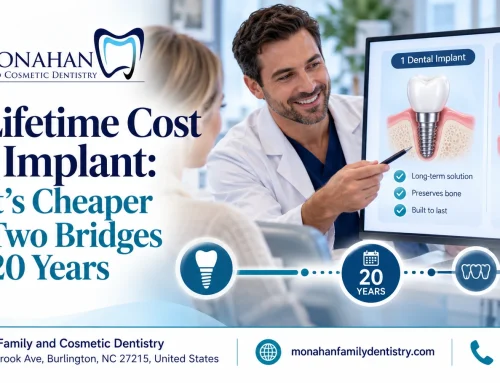
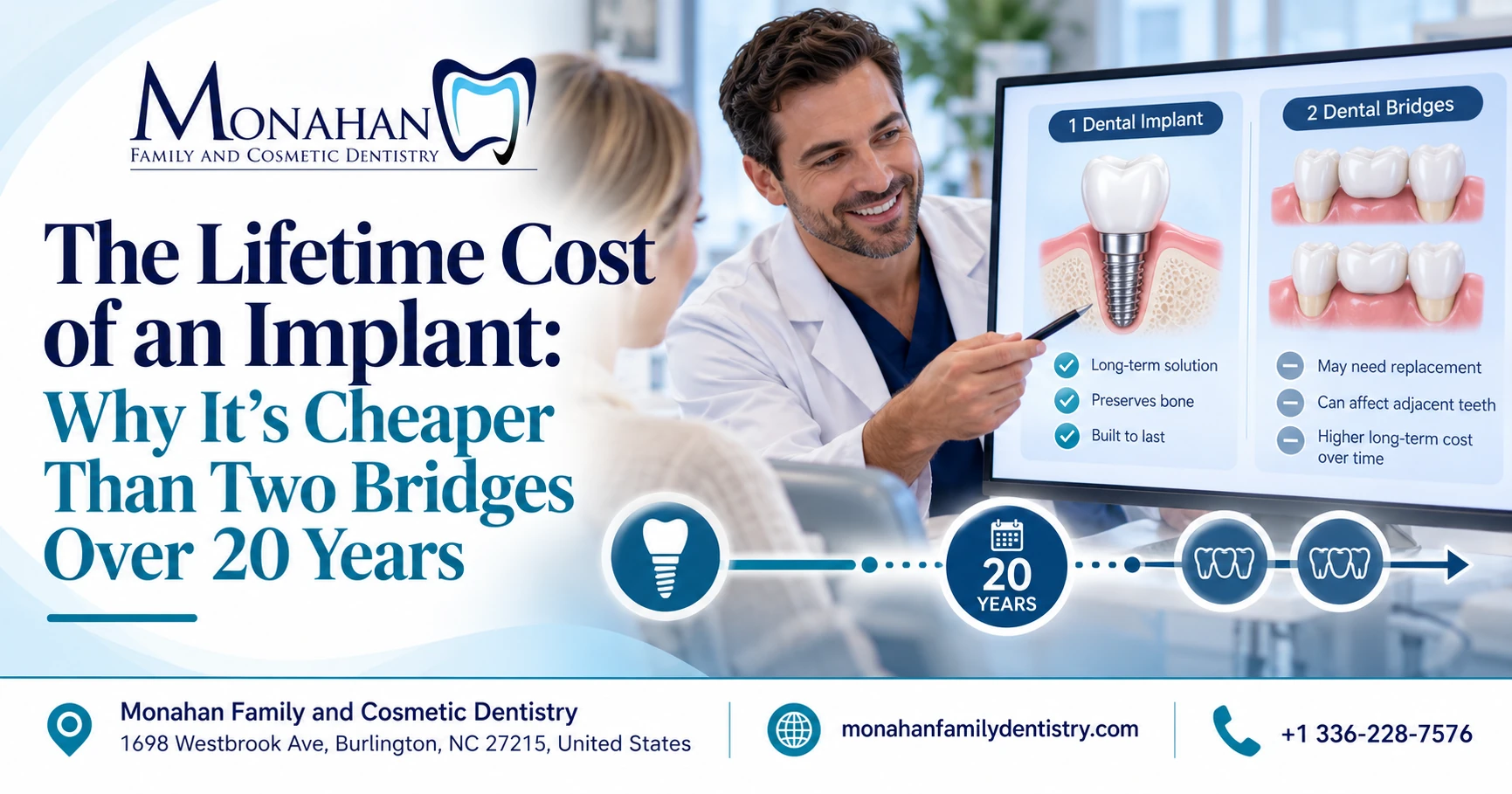
The cost of implant treatment varies because each patient’s needs are different. A single implant used to replace one tooth will generally involve a different treatment plan than several implants supporting a bridge or denture.
Factors that may affect cost include:
- Number of implants needed
- Type of restoration
- Bone grafting
- Tooth extraction
- Gum treatment
- Sedation options
- Diagnostic imaging
- Materials used
- Complexity of placement
- Follow-up appointments
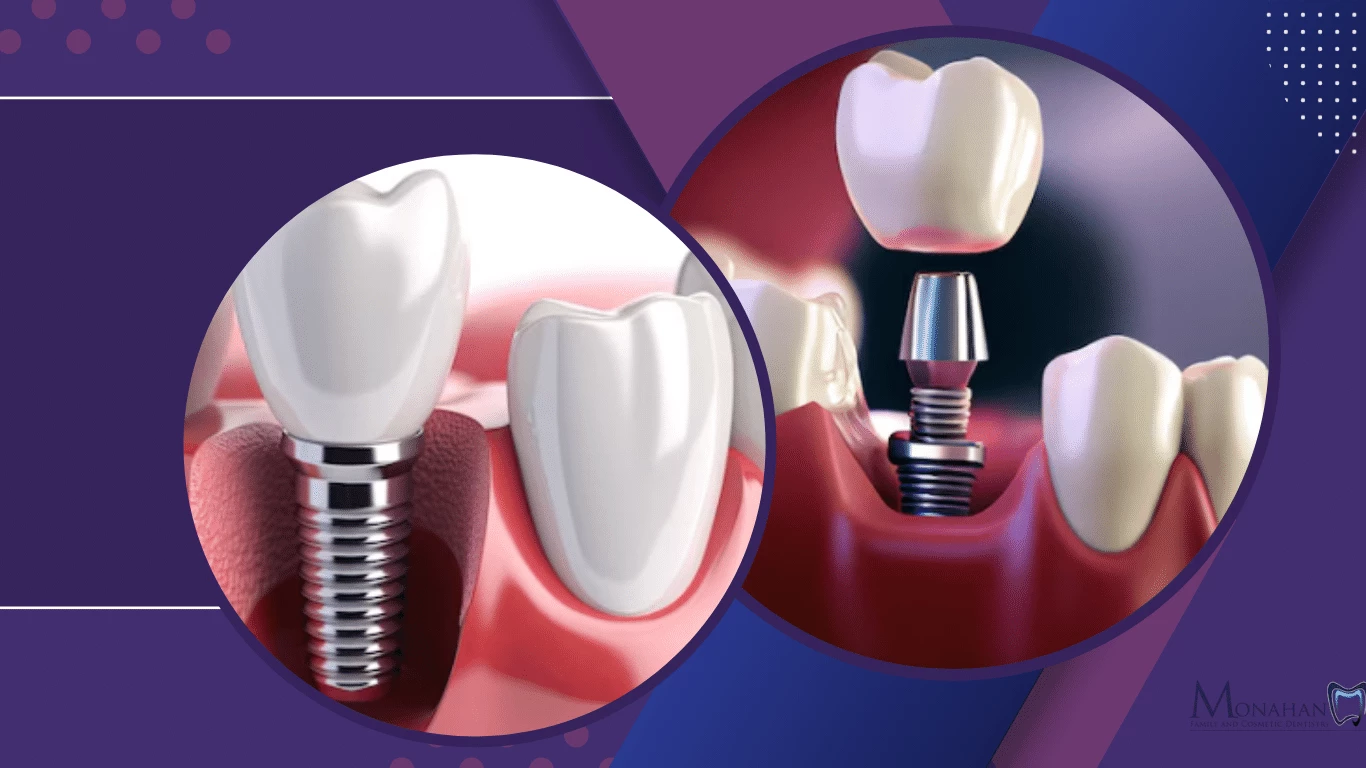
The total fee may include the implant post, connecting component, and final restoration. Patients should ask whether the treatment estimate includes all stages or whether certain services are billed separately.
Insurance coverage also varies. Some dental plans may contribute toward the crown, extraction, or related procedures even when the implant itself is not fully covered. Financing options may also help patients divide treatment expenses into manageable payments.
For specific pricing and treatment recommendations, patients should schedule an examination rather than relying on general online estimates.
How Long Does the Dental Implant Process Take?
The implant process may take several months, although the exact timeline depends on healing, bone condition, and the type of restoration being placed.
A typical process may include:
Initial Evaluation
The dentist examines the mouth, reviews imaging, and develops a treatment plan.
Preparatory Treatment
Some patients need an extraction, bone graft, or gum treatment before implant placement.
Implant Placement
The implant post is positioned in the jawbone.
Healing Period
The bone gradually integrates with the implant. This stage often takes several months.
Final Restoration
After healing, the crown, bridge, or implant-supported denture is attached.
Not every patient follows the same timeline. In some situations, a temporary tooth may be placed during healing. In others, the treatment must be completed in separate stages to protect the implant and surrounding tissues.
Are Dental Implants Right for Everyone?
Dental implants are not automatically the best option for every patient. Some people may benefit more from a traditional bridge, partial denture, or full denture depending on their health, budget, anatomy, and personal preferences.
A patient may need additional evaluation if they have:
- Significant jawbone loss
- Active gum disease
- Uncontrolled diabetes
- Certain immune conditions
- A history of heavy smoking
- Difficulty maintaining oral hygiene
- Medical conditions that affect healing
These factors do not always rule out implant treatment. They may simply require additional planning, medical coordination, or preparatory care.
A complete dental examination is the best way to compare available tooth replacement options.
How Should Dental Implants Be Maintained?
Dental implants cannot develop cavities, but the gums and bone around them still require daily care. Plaque buildup around an implant can contribute to inflammation and bone loss.
Patients should:
- Brush at least twice daily
- Clean between the implant and neighboring teeth
- Use floss or interdental tools recommended by the dentist
- Attend regular dental cleanings
- Avoid smoking
- Wear a nightguard when recommended
- Report pain, swelling, or looseness promptly
The final restoration may also experience normal wear over time. A crown or denture attached to implants may eventually need adjustment, repair, or replacement even when the implant post remains stable.
Consistent preventive care helps protect both the implant and the surrounding teeth.
What Questions Should You Ask During an Implant Consultation?
An implant consultation gives patients an opportunity to understand the treatment before making a decision. Helpful questions include:
- Am I a good candidate for implants?
- Do I have enough bone for treatment?
- Will I need grafting?
- How many appointments will be required?
- What type of restoration will be used?
- What are the alternatives?
- What are the possible risks?
- How long will healing take?
- What will the full treatment cost?
- What maintenance will be required?
Patients should also ask who will perform each stage of treatment and how unexpected complications are handled.
A written treatment plan can make it easier to review the expected timeline, fees, and procedures.
Understanding Your Tooth Replacement Options
Dental implants may provide strong support, natural appearance, and long-term function for suitable candidates. However, the best treatment choice depends on oral health, bone condition, medical history, lifestyle, and personal priorities.
Some patients value the stability of an implant-supported restoration. Others may prefer a less invasive or more affordable alternative. The right decision should be based on a professional evaluation and a clear understanding of all available options.
To learn more about implant-supported tooth replacement, explore our dental implant treatment options.
Frequently Asked Questions
How long can dental implants last?
Dental implants can last for many years when they are properly placed and maintained. Longevity depends on oral hygiene, gum health, bite pressure, overall health, and regular dental care.
Is dental implant surgery painful?
Local anesthesia is typically used during implant placement. Patients may experience swelling, soreness, or tenderness afterward, but discomfort is usually managed with post-treatment instructions and appropriate medication.
Can one implant replace several teeth?
Yes. In some cases, multiple teeth can be replaced with an implant-supported bridge. The number of implants needed depends on the location of the missing teeth, bone quality, bite forces, and restoration design.
What happens if there is not enough bone?
A dentist may recommend bone grafting or another preparatory procedure. Imaging is used to determine whether the jaw can support an implant safely.
Are implants better than dentures?
Neither option is universally better. Implants offer greater stability, while traditional dentures may be more affordable and require less surgery. The best choice depends on the patient’s needs and health.
Discuss Your Tooth Replacement Options
Choosing a tooth replacement option requires a careful evaluation of your oral health, goals, and available treatment choices. Monahan Family and Cosmetic Dentistry can explain how implants compare with bridges, partial dentures, and other restorative solutions.
Review our dental implant services or contact the office to schedule a consultation.