
Dental implants aren’t just filling gaps anymore. They’re changing the entire conversation around oral health.
Instead of talking only about replacing missing teeth, dentists are now focused on long-term stability, bone health, and how the mouth functions over time. Implants don’t just restore a smile. They help protect jaw structure, support surrounding teeth, and reduce future dental problems. That shift matters.
Patients today want solutions that last, not quick fixes that need constant maintenance. As implant technology improves, dentists are rethinking how they plan care, explain treatment options, and help patients think about their oral health years down the road.
How Do Dental Implants Support Long-term Oral Health Compared to Traditional Tooth Replacement Options?
To understand why implants are such a big deal, it helps to compare them to older tooth replacement methods.
Traditionally, if someone lost a tooth, the main options were:
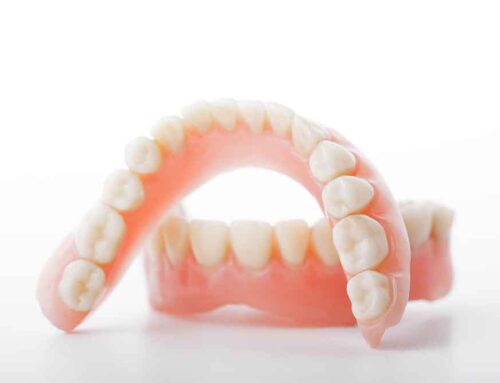
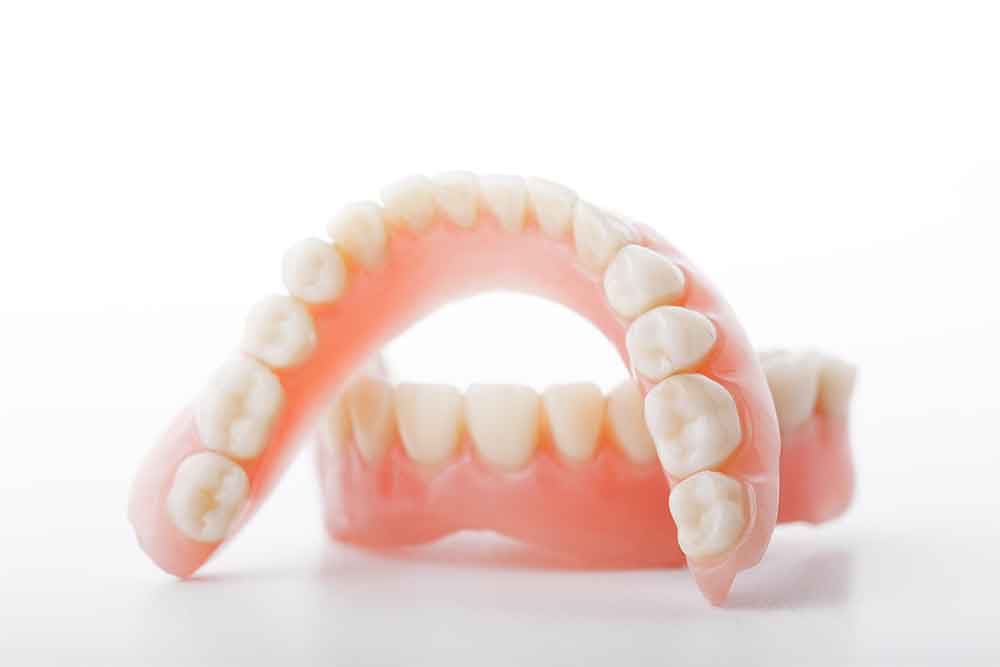
- A removable denture
- A dental bridge
- Leaving the space alone (not recommended, but common)
Each of these can help cosmetically, but they don’t all support long-term oral health the same way.
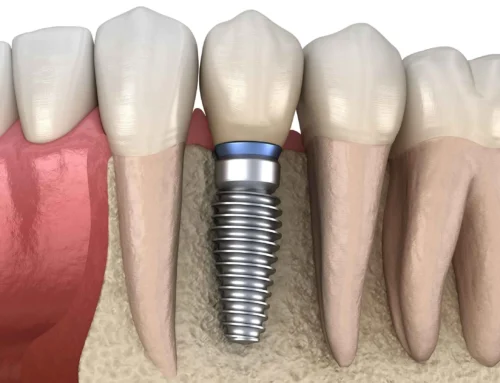
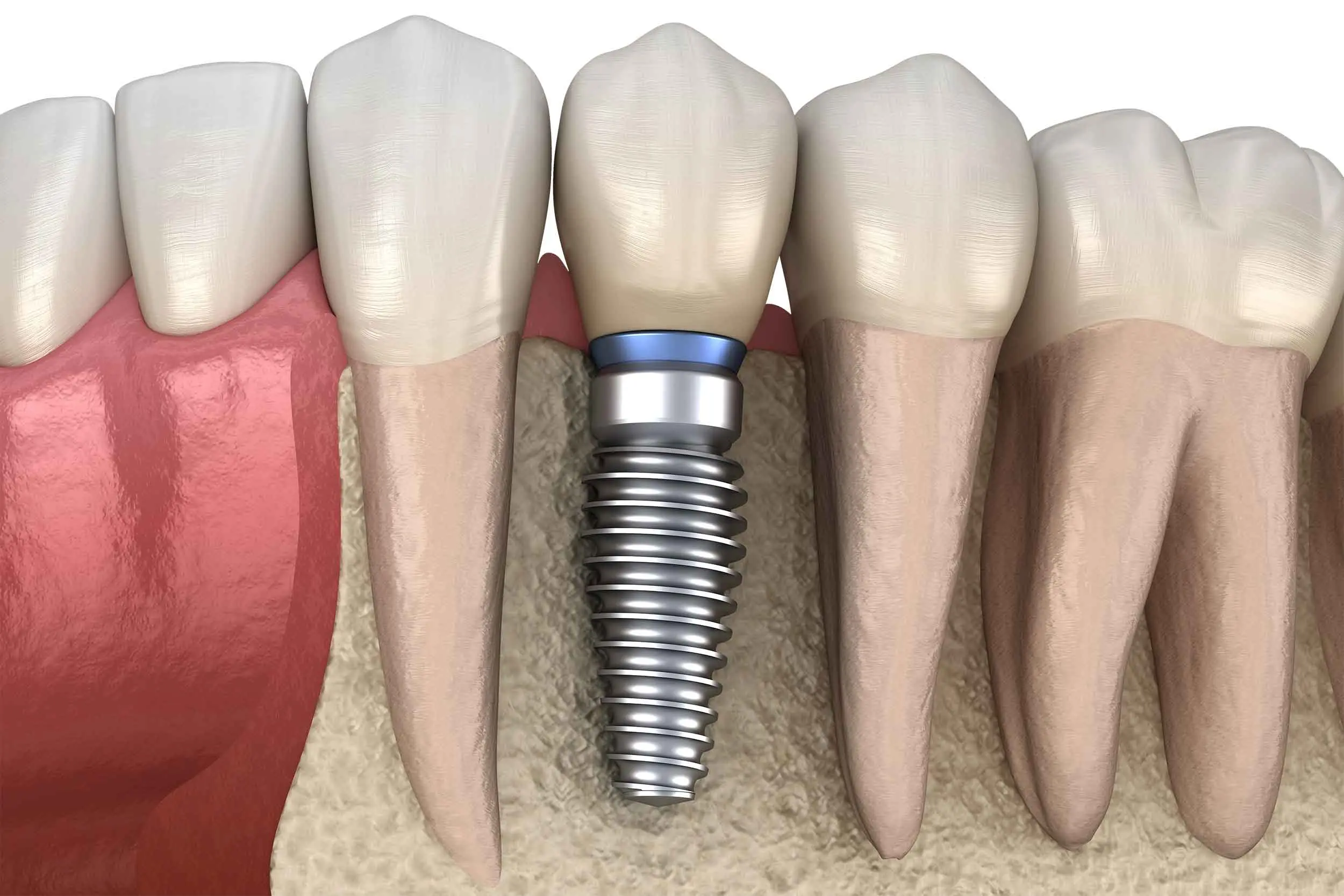
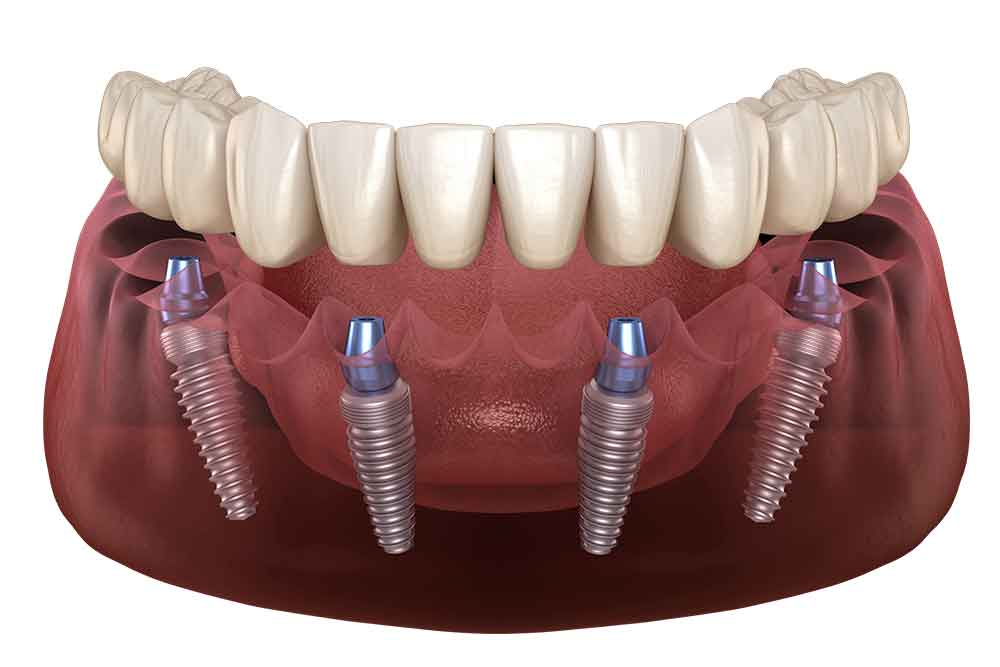
Dental implants are different because they replace not only the tooth above the gumline, but also the root structure underneath.
That’s huge.
Here’s what implants do that traditional options often can’t:
They Preserve Jawbone Strength
When a tooth is missing, the jawbone no longer receives stimulation in that area. Bone begins to shrink over time.
Implants help prevent that bone loss by mimicking the natural tooth root.
They Don’t Rely on Neighboring Teeth
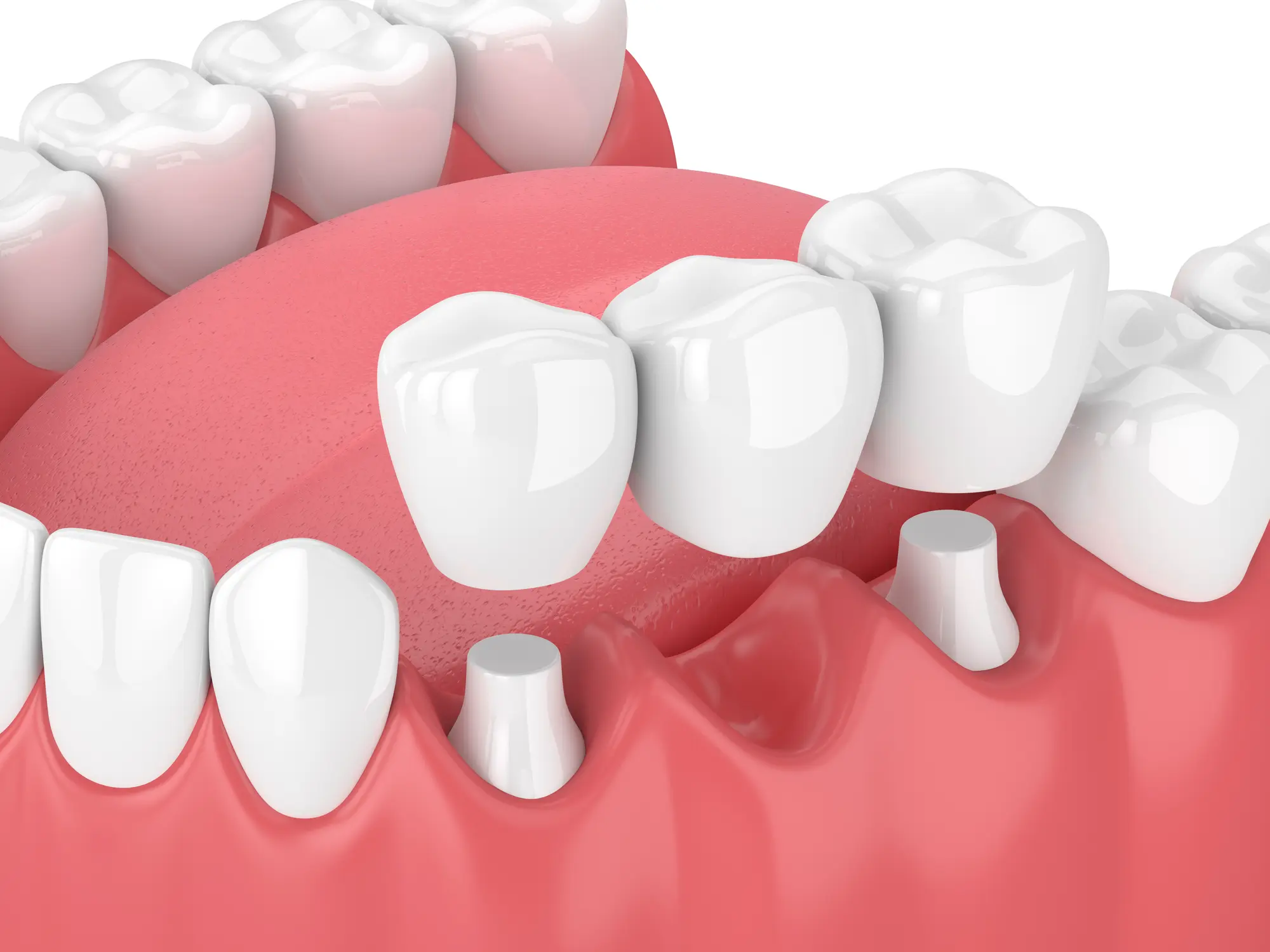
Bridges require shaving down healthy teeth to support the replacement.
Implants stand alone, meaning surrounding teeth stay intact and healthier long-term.
They Feel More Like Real Teeth
Dentures and bridges can restore function, but implants restore a more natural chewing experience.
Patients often report:
- Better comfort
- Stronger bite force
- Less awareness of the replacement
They Support Long-Term Stability
Implants are designed to last for decades with proper care.
Instead of something that may need frequent adjustments, they become part of a permanent oral foundation.
So compared to traditional solutions, implants aren’t just a replacement.
They’re a structural investment in the future of the mouth.
Why are Dentists Recommending Dental Implants More Often For Lasting Oral Stability?
Dentists aren’t recommending implants more often because they’re “new.”
They’re recommending them more often because they work.
Over the years, dentistry has shifted toward solutions that preserve health, not just appearance.
Implants are at the center of that shift.
Here’s why they’re becoming the go-to recommendation:
Patients Want Long-Term Answers
People are tired of temporary fixes.
They don’t want to replace a denture every few years or deal with bridge complications down the road.
Implants offer something patients crave:
Peace of mind.
Dentistry Is Becoming More Preventive
Modern dentistry isn’t just about reacting to problems. It’s about preventing the next one.
Dentists know that a missing tooth can lead to:
- Shifting teeth
- Bite changes
- Uneven wear
- Gum recession
- Further tooth loss
Replacing that tooth permanently helps stabilize everything else.
Better Technology Has Made Implants More Accessible
Implant dentistry has advanced dramatically.
Digital planning, improved materials, and more precise placement have made implants:
- Safer
- More predictable
- Faster in many cases
- Less intimidating
What once felt extreme now feels like a normal part of comprehensive care.
They Improve Quality of Life
Dentists see the difference implants make beyond dentistry.
Patients with implants often regain:
- Comfortable eating
- Clear speech
- Confidence in public
- Relief from constant denture movement
That’s not just dental stability. That’s life stability.
What Role Do Dental Implants Play in Preventing Future Jawbone and Gum Issues?
This is where implants truly change the long-term conversation.
Missing teeth don’t just leave a gap. They trigger a chain reaction.
The jawbone begins to shrink.
The gums can recede.
Nearby teeth drift into the open space.
Bite balance changes.
More stress lands on remaining teeth.
It’s like removing one support beam from a structure and hoping everything else stays put.
Dental implants interrupt that process.
Bone Preservation Is One of the Biggest Benefits
The jawbone needs stimulation from chewing forces to stay strong.
Implants provide that stimulation, helping prevent:
- Bone resorption
- Facial collapse over time
- The “sunken” look associated with tooth loss
Gum Health Improves With Proper Support
When teeth shift or gaps remain, gums become harder to keep clean.
Implants help maintain spacing and prevent areas that trap bacteria.
They Reduce Stress on Remaining Teeth
Without implants, patients often chew more on one side or overload remaining teeth.
That can lead to:
- Cracks
- Wear
- Higher risk of future loss
Implants distribute force more evenly, protecting what’s still there.
They Help Maintain a Healthy Bite
A stable bite is essential to long-term oral health.
Implants prevent the domino effect that can happen when one tooth is missing.
So implants aren’t only restoring the present.
They’re preventing future damage.
That’s why dentists talk about them in terms of health, not vanity.
How are Dental Implants Shifting The Focus of Dentistry Toward Permanent Tooth Restoration?
Dentistry used to be a lot about managing loss.
Replacing teeth meant accepting some level of compromise.
Dentures slipped.
Bridges wore out.
Bone loss was expected.
Tooth replacement felt temporary by nature.
Dental implants have changed the philosophy.
Now the conversation is moving toward permanence.
Implants have made dentists think differently about restoration:
From Replacement to Regeneration
Implants restore function in a way that supports the body’s structure.
They aren’t just sitting on the gums. They integrate with bone.
From Patchwork to Planning
Dentists now approach tooth loss as part of long-term strategy, asking questions like:
- How can we protect your jaw 10 years from now?
- How can we prevent future shifting?
- What solution supports lifelong stability?
From “Good Enough” to “Feels Real”
Patients no longer want restorations that simply work.
They want restorations that feel natural.
Implants meet that expectation better than any other option.
From Temporary Maintenance to Lifelong Confidence
Implants shift dentistry away from constant adjustment and toward lasting comfort.
That changes how dentists talk about oral health goals.
The focus becomes:
- Stability
- Preservation
- Longevity
- Whole-mouth health
Not just filling a space.
Dental Implants are Changing More Than Smiles
Dental implants aren’t just changing how teeth are replaced.
They’re changing the entire mindset of modern dentistry.
They support long-term oral health by:
- Preserving jawbone
- Protecting gum stability
- Preventing shifting and bite collapse
- Offering lasting function and confidence
- Moving dentistry toward permanent solutions
Dentists are talking about implants more because implants represent something powerful:
A future where tooth loss doesn’t automatically mean decline.
Instead, it can mean restoration, stability, and a strong foundation for decades ahead.
Build a Smile That Stays Strong for Life
At Monahan Family & Cosmetic Dentistry, we believe tooth replacement should be about more than filling a gap.
Dental implants give patients the chance to restore comfort, protect long-term oral health, and feel confident in a solution designed to last.
If you’re missing a tooth, struggling with dentures, or simply want to understand whether implants are right for you…
Let’s talk about the future of your smile.
Schedule an implant consultation with Monahan Family & Cosmetic Dentistry today, and take the next step toward lasting stability and peace of mind.