
Most people don’t notice dental implants taking over, but they are. Quietly, steadily, they’re replacing the tooth repair options many of us grew up with.
Crowns, bridges, and dentures still exist, but they’re no longer the first choice for a lot of dentists or patients. Why? Because implants fix the problem at the root, not just on the surface. They look natural, feel stable, and don’t rely on nearby teeth for support.
For many people, that means fewer repairs, fewer adjustments, and less long-term hassle. If you’ve ever dealt with a loose denture or a failing bridge, it’s easy to see why implants are becoming the go-to solution.
Why are Dental Implants Becoming More Common Than Crowns and Bridges?
Crowns and bridges were never meant to be permanent fixes in the true sense of the word. They were designed as reliable solutions for a specific moment in time, using the best materials and knowledge available back then. The problem is that mouths don’t stand still. Teeth shift. Bone changes. Gums recede. And the repairs we place today have to live in a dynamic environment.
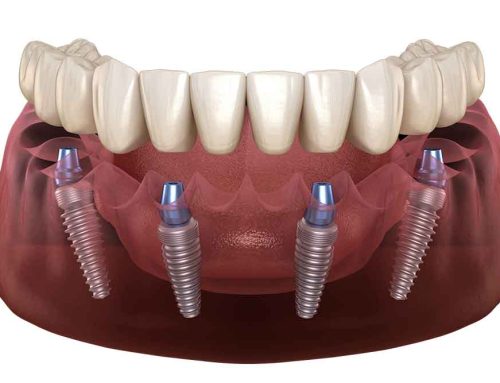
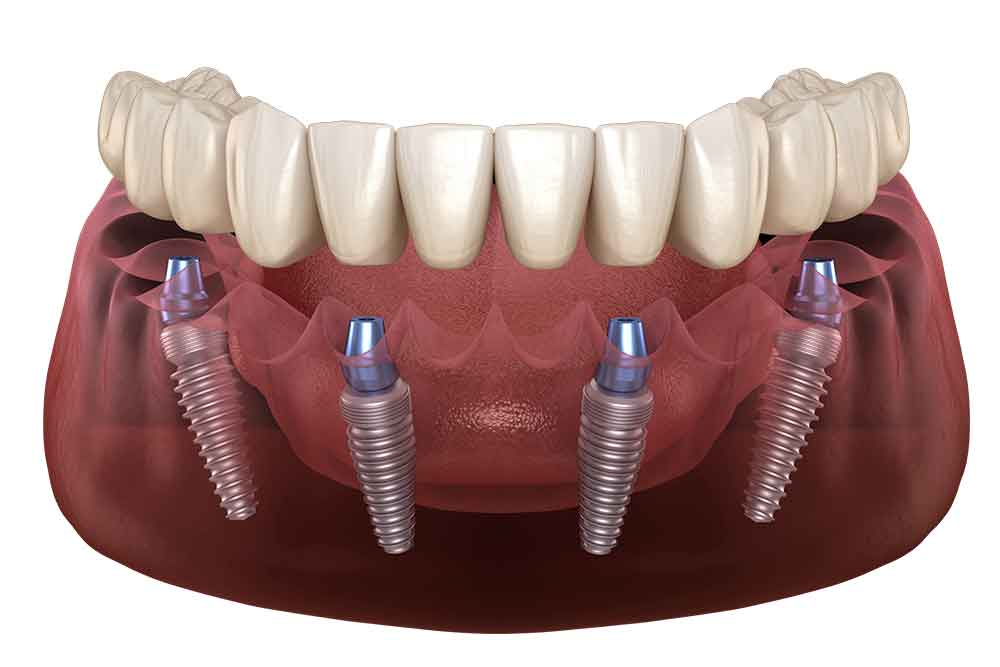
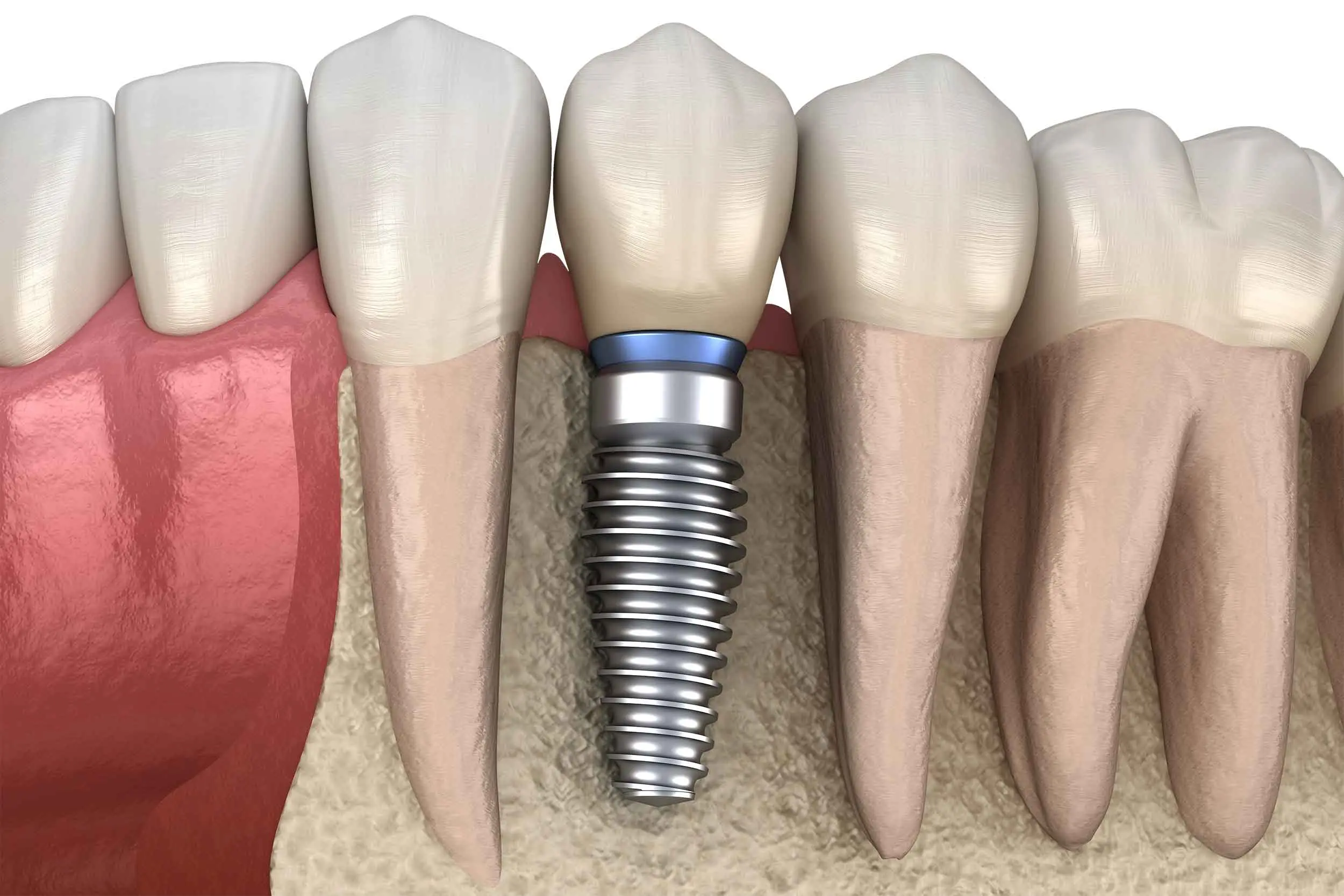
Dental implants approach the problem differently. Instead of sitting on top of existing teeth or relying on neighboring structures for support, implants replace the tooth at its root. That single difference changes almost everything.
Here’s why more patients are choosing implants over traditional crowns and bridges:
- Crowns still rely on the health of the remaining tooth, which may already be compromised
- Bridges require grinding down healthy adjacent teeth, even if they are perfectly fine
- Both crowns and bridges typically need replacement after 10 to 15 years
- Implants stand independently and don’t borrow strength from nearby teeth
Patients are also more informed now. They’re asking how long something will last, not just how fast it can be done. When people hear that an implant can potentially last decades with proper care, it naturally reframes the conversation.
There’s also a psychological shift happening. Losing a tooth used to feel like a problem to manage. Today, it feels more like something that can be truly restored.
How Do Dental Implants Compare To Traditional Tooth Repair Methods
If you compare dental implants to traditional tooth repair methods on paper, the differences are clear. But what really matters is how those differences show up in everyday life.
Crowns and bridges can look good. Modern materials have come a long way. But they still behave like add-ons. Patients often notice subtle changes in how they chew, how food gets trapped, or how the area feels under pressure. These aren’t failures. They’re limitations.
Dental implants tend to disappear into daily life in a way other repairs don’t.
From a functional standpoint, implants are designed to mimic natural teeth more closely:
- They integrate with the jawbone, creating stability
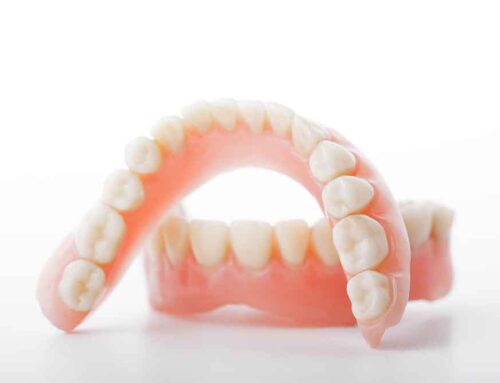
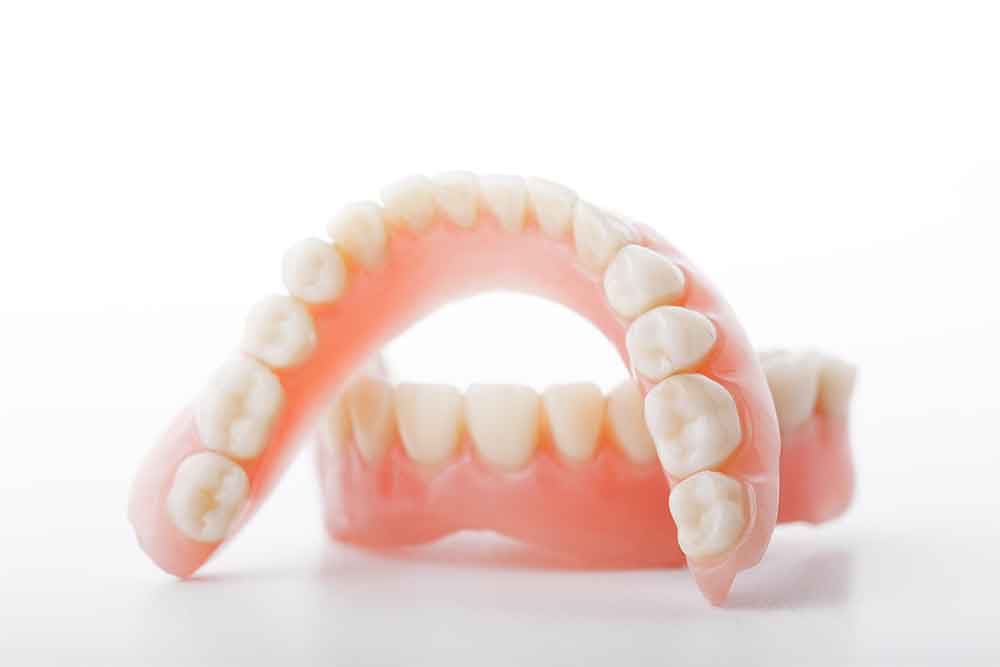
- They don’t shift or loosen over time like dentures
- They distribute bite force more evenly
- They allow patients to chew without favoring one side
There’s also the maintenance factor. Bridges can make flossing more difficult. Dentures require removal, soaking, and adjustments. Implants are brushed and flossed like natural teeth, which makes long-term care more intuitive for most patients.
Comfort plays a role too. Many patients describe implants as feeling “normal” once healing is complete. That word comes up again and again. Normal chewing. Normal speaking. Normal smiling without thinking about it.
When a repair stops reminding you that it’s there, that’s when you know something has changed.
What Makes Dental Implants a Long Term Solution For Missing Teeth?
Longevity is where dental implants truly separate themselves from earlier generations of tooth repair.
Traditional solutions were often built around the idea of replacement cycles. A crown today, a replacement crown later. A bridge now, another bridge in a decade or so. Over time, each replacement often requires more intervention than the last.
Dental implants aim to break that cycle.
The key lies in how implants interact with the jawbone. When a tooth is lost, the bone beneath it begins to shrink. This happens because the bone no longer receives stimulation from chewing forces. Crowns and bridges don’t address this at all.
Implants do.
Because they sit in the bone and absorb bite pressure, implants help maintain bone density over time. That has ripple effects across oral health, facial structure, and even how the remaining teeth age.
Long-term advantages of dental implants include:
- Reduced risk of bone loss in the jaw
- Greater stability of surrounding teeth
- Preservation of facial contours
- Fewer major repairs over a lifetime
This doesn’t mean implants are maintenance free. They still require good oral hygiene and regular dental visits. But the nature of that maintenance is preventive rather than reactive.
Instead of waiting for something to fail, patients focus on keeping what’s already working in good shape.
That mindset shift matters.
Are Dental Implants Changing the Future of Restorative Dentistry?
It’s fair to say that dental implants are reshaping how dentists think about restoration, not just how they treat it.
In the past, restorative dentistry often meant managing decline. Saving what could be saved. Replacing what couldn’t. Planning around eventual failure points.
Implants introduce a different philosophy. One that focuses on rebuilding rather than patching.
As implant technology continues to improve, we’re seeing:
- More precise placement using digital imaging
- Faster healing times with improved materials
- Better outcomes for patients who were once told they weren’t candidates
- Treatment plans built around prevention and longevity
This evolution also changes patient expectations. People no longer assume tooth loss is an inevitable part of aging. They expect solutions that allow them to eat, speak, and smile comfortably well into later life.
That expectation is healthy. It pushes dentistry forward.
Crowns and bridges will always have a place. They’re still excellent tools when used appropriately. But they’re no longer the automatic answer they once were. Dental implants have earned their role not by replacing everything overnight, but by quietly proving their value year after year.
And that’s usually how real change happens.
Ready For a Tooth Replacement That Actually Feels Like A Fresh Start?
At Monahan Family & Cosmetic Dentistry, we believe tooth replacement shouldn’t feel like settling. It should feel like moving forward with confidence, comfort, and clarity.
If you’ve been living with a missing tooth, a failing bridge, or a repair that never quite felt right, it may be time to explore whether dental implants are the better long-term solution for you. Our team takes the time to walk you through your options, answer real questions, and help you make a decision that fits your life, not just your chart.
Schedule a consultation with Monahan Family & Cosmetic Dentistry today and find out what modern restorative dentistry can truly offer.