
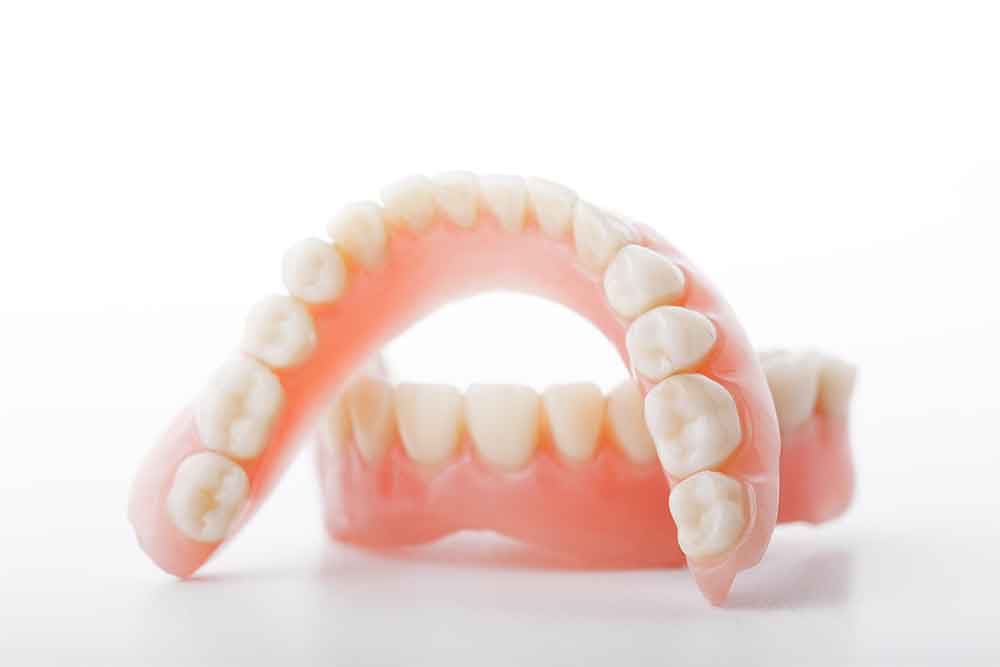
Custom denture fittings involve more than choosing a set of replacement teeth. The process is designed to create dentures that fit the shape of your mouth, support comfortable chewing, and provide a natural-looking appearance.
During the fitting process, a dentist may examine your gums and jaw, take detailed impressions, discuss denture materials, evaluate your bite, and schedule trial fittings before the final appliance is completed. Understanding each stage can help you prepare for appointments and know why adjustments may be necessary after you begin wearing your dentures.
What Does the Custom Denture Fitting Process Include?
The custom denture process usually begins with a complete oral examination. The dentist evaluates the condition of the gums, jawbone, remaining teeth, and other structures that may affect the fit of the denture.
The fitting process may include:
- An oral examination: The dentist checks the health and shape of the tissues that will support the denture.
- Dental impressions: Detailed molds or digital scans are taken to record the size and contours of the mouth.
- Bite measurements: The relationship between the upper and lower jaws is measured to help position the replacement teeth.
- Tooth and shade selection: The dentist and patient choose the shape, size, and color of the denture teeth.
- A trial fitting: A temporary model may be placed in the mouth so the fit, bite, and appearance can be evaluated.
- Final placement: The completed denture is inserted and checked for pressure points, movement, and overall comfort.
- Follow-up adjustments: Small changes may be made after the patient has worn the denture and identified areas of soreness or instability.
Each stage helps the dental team create a denture that is better suited to the patient’s mouth than a one-size-fits-all appliance.
Patients who are comparing treatment options can learn more about our custom denture services in Burlington.
How Are Dentures Customized for Each Patient?
Dentures are customized according to the shape of the mouth, the position of the jaws, facial proportions, and the patient’s functional needs. Even patients with similar patterns of tooth loss may require very different denture designs.
The dental team may consider:
- The height and width of the jaw
- The condition of the gums
- The amount of available bone support
- The patient’s natural bite
- Facial appearance and lip support
- Speech patterns
- Chewing habits
- The position of any remaining teeth
The arrangement of the denture teeth also affects how the appliance looks and functions. Tooth shape, shade, and position can be selected to create a natural appearance while supporting proper speech and chewing.
Digital scans and computer-aided design may also be used in some cases. These technologies can improve measurements and help the laboratory create a more precise denture, although traditional impressions remain effective for many patients.
What Materials Are Commonly Used in Custom Dentures?
Most dentures are made from a combination of acrylic resin, metal, and durable dental materials designed to resemble natural teeth and gums.
The base of a full denture is commonly made from acrylic resin. This material can be shaded to match the appearance of the patient’s gum tissue and shaped to fit the contours of the mouth.
The replacement teeth may be made from acrylic or porcelain. Acrylic teeth are lightweight, durable, and easier to adjust. Porcelain teeth can offer a natural appearance and strong resistance to wear, but they may not be appropriate for every patient.
Partial dentures may include a metal framework for added strength and stability. Some partial dentures use flexible or tooth-colored materials to make clasps less noticeable.
The best material depends on the patient’s bite, oral health, comfort needs, appearance goals, and the type of denture being created.
Why Are Follow-Up Visits Important After a Denture Fitting?
Follow-up visits are a normal part of receiving new dentures. Even a carefully made denture may require minor adjustments as the patient begins speaking, chewing, and wearing the appliance for longer periods.
New dentures may initially cause:
- Mild pressure or soreness
- Increased saliva production
- Difficulty pronouncing certain words
- A feeling of fullness in the mouth
- Minor movement while chewing
- Changes in how food feels or tastes
The dentist can identify pressure points and adjust the denture surface to reduce irritation. Patients should not attempt to reshape or repair dentures at home because removing too much material can permanently affect the fit.
The mouth can also change over time. Bone and gum tissue may gradually shrink after tooth loss, causing a denture that once fit well to become loose. Periodic examinations allow the dentist to determine whether the appliance needs an adjustment, reline, repair, or replacement.
What Should You Discuss Before Getting Custom Dentures?
Before beginning treatment, patients should discuss their expectations, oral health, lifestyle, and previous experience with dentures. These conversations help the dentist recommend an appropriate design and explain what the treatment process may involve.
Helpful questions include:
- Will I need full or partial dentures?
- Are any remaining teeth healthy enough to keep?
- How many fitting appointments may be needed?
- What materials are suitable for my denture?
- Will I receive a trial fitting?
- How long will it take to adjust to the appliance?
- How should the denture be cleaned and stored?
- When should the denture be replaced or relined?
- Are implant-supported dentures an option?
Patients should also explain any concerns about gagging, dry mouth, jaw discomfort, speech, chewing, or previous denture problems. These details can influence the treatment plan and help the dental team anticipate potential fitting challenges.
Frequently Asked Questions
How long does a custom denture fitting take?
The process may require several appointments over multiple weeks. The timeline depends on the type of denture, whether teeth must be removed first, the healing process, and how many trial fittings are needed.
Will custom dentures feel natural immediately?
New dentures usually require an adjustment period. They may initially feel bulky or unfamiliar, but comfort often improves as the muscles of the mouth adapt and the dentist completes any necessary adjustments.
Are custom dentures better than store-bought denture products?
Professionally made dentures are designed from impressions and measurements of the patient’s mouth. Over-the-counter products are not created for an individual bite and should not be treated as a replacement for a professionally fitted appliance.
Can dentures be adjusted if they feel loose?
Yes. A dentist may be able to adjust, reline, or rebase a loose denture. The correct solution depends on the age and condition of the appliance and how much the mouth has changed.
How often should dentures be checked?
Dentures and the tissues beneath them should be examined regularly. Routine visits allow the dentist to look for irritation, changes in fit, damaged materials, gum problems, and other oral health concerns.
Can custom dentures be supported by dental implants?
Some dentures can be attached to dental implants for additional stability. Eligibility depends on bone health, medical history, oral health, and the type of restoration being considered.
Learn More About Your Denture Options
Understanding the fitting process can make it easier to prepare for custom dentures and recognize why impressions, trial fittings, and follow-up adjustments matter. The right design should account for your oral health, bite, comfort, appearance, and daily needs.
Monahan Family and Cosmetic Dentistry provides full and partial denture options for patients experiencing tooth loss. Visit our dentures service page to review treatment information or contact our office to schedule an evaluation.