
Choosing the right denture provider can affect the comfort, appearance, and long-term function of your new smile. A qualified provider should take time to understand your oral health, explain available options, and create a treatment plan based on your individual needs.
Experience, communication, materials, follow-up care, and treatment options are all important considerations. Before making a decision, it helps to understand what questions to ask and what qualities may indicate that a dental practice is prepared to provide dependable denture care.
Patients who are already exploring treatment can also review our denture treatment options to learn more about the types of dentures available.
How Do I Choose the Right Denture Provider?
Start by looking for a dental professional who has experience evaluating tooth loss and providing restorative treatment. The provider should be able to explain whether full dentures, partial dentures, implant-supported options, or another treatment may be appropriate for your situation.
Recommendations from family members, friends, or other healthcare providers can be helpful, but they should not be the only factor in your decision. Patient feedback may offer insight into communication, scheduling, and the overall office experience, while professional credentials can help you understand the provider’s training.
A consultation is also an opportunity to evaluate how the provider communicates. You should feel comfortable asking questions about the treatment process, expected results, possible adjustments, and long-term care. A dependable provider will explain your options clearly without rushing you into a decision.
What Factors Should I Consider When Selecting a Denture Provider?
Several factors can help you compare denture providers and determine which practice may be a good fit for your needs.
Experience with denture treatment
Ask how frequently the provider works with denture patients and whether the practice offers different types of tooth-replacement options. Experience with full dentures, partial dentures, relines, repairs, and implant-supported restorations can be valuable.
Quality of denture materials
Dentures may be made using different materials and fabrication methods. Ask what materials are used, how the dentures are created, and how the provider works to achieve a natural-looking result.
High-quality materials may improve durability, appearance, and comfort. However, the quality of the final result also depends on careful planning, accurate impressions, and proper fitting.
Treatment planning
A denture should be designed around your mouth, bite, facial features, and remaining teeth. The provider should perform a thorough examination before recommending treatment.
Treatment planning may include evaluating your gums, jawbone, bite alignment, existing dental work, and overall oral health. In some cases, additional treatment may be needed before dentures can be fitted.
Communication and patient education
The provider should explain each stage of the process, including preparation, impressions, fittings, adjustments, and aftercare. Clear information can help you understand what to expect and how long the process may take.
Follow-up support
New dentures often require an adjustment period. Ask whether follow-up appointments are included and how the practice handles sore spots, changes in fit, or other concerns after delivery.
What Questions Should I Ask During a Denture Consultation?
Preparing questions before your consultation can help you compare providers and understand the recommended treatment.
Consider asking:
- What type of denture may be suitable for me?
- How many appointments will the process require?
- What materials will be used?
- Will I need any treatment before receiving dentures?
- How will the fit and appearance be evaluated?
- Are follow-up adjustments included?
- What should I expect during the adjustment period?
- How long should the dentures last?
- What maintenance will be required?
- Are implant-supported options available?
The provider should be willing to answer these questions in a clear and understandable way. Be cautious if treatment recommendations are made without a complete oral examination.
Why Is a Personalized Denture Fit Important?
Dentures should not be treated as a one-size-fits-all product. Every patient has a different mouth shape, bite pattern, facial structure, and level of tooth loss.
A personalized fitting process helps the provider create dentures that support everyday activities such as speaking and eating. Properly fitted dentures may also help reduce unnecessary movement, irritation, and pressure on the gums.
The provider may take impressions, measurements, photographs, and bite records during the planning process. Trial fittings may also be used to evaluate tooth shape, position, color, and overall appearance before the final denture is completed.
Even well-made dentures may need adjustments after they are delivered. The tissues in the mouth can change over time, which may affect fit. Regular dental visits allow the provider to check the dentures and the health of the supporting tissues.
Are There Different Types of Dentures?
There are several types of dentures, and the most suitable option depends on the number of missing teeth, the condition of the remaining teeth, oral health, and personal preferences.
Full dentures
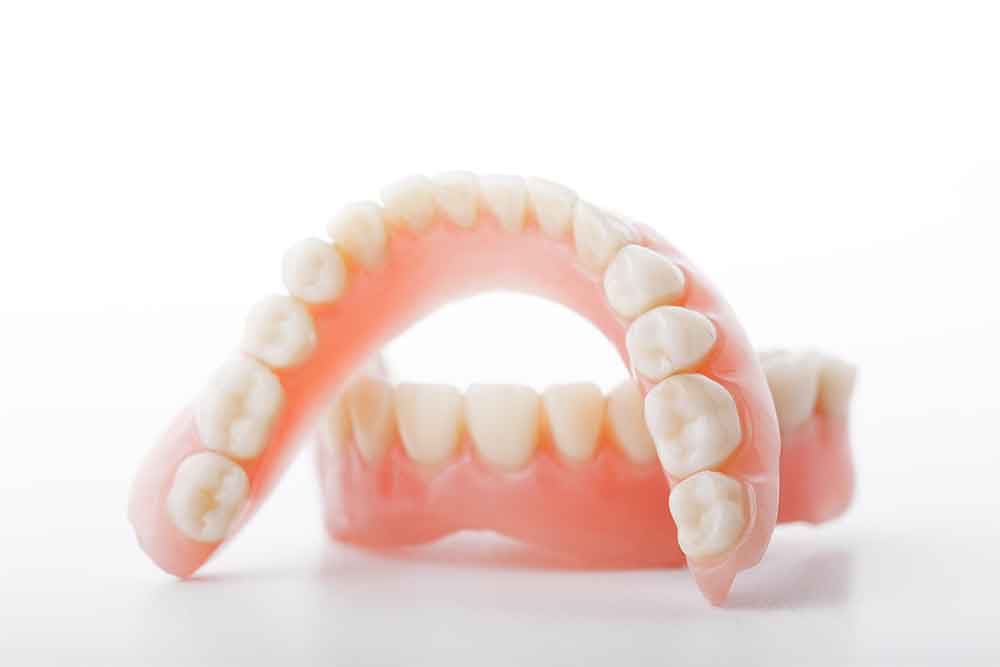
Full dentures replace an entire upper or lower arch of missing teeth. They rest on the gums and are designed to restore appearance and basic oral function.
Partial dentures
Partial dentures replace several missing teeth while using the remaining natural teeth for support. They may be removable and can help prevent nearby teeth from shifting.
Immediate dentures
Immediate dentures may be placed shortly after teeth are removed. They allow the patient to avoid going without teeth during the healing period, but adjustments or replacement may be needed as the gums change shape.
Implant-supported dentures
Implant-supported dentures attach to dental implants placed in the jawbone. They may offer greater stability than traditional removable dentures for suitable candidates.
Patients can learn more about these options by visiting our page on custom denture services.
What Is the Difference Between Dentures and Dental Implants?
Dentures and dental implants can both replace missing teeth, but they work in different ways.
Traditional dentures are removable appliances that rest on the gums. They may replace several teeth or a complete arch. Dentures generally do not require implant surgery, although some patients may need extractions or other treatment beforehand.
Dental implants are small posts placed in the jawbone. They can support individual crowns, bridges, or implant-supported dentures. Because implants are anchored in the bone, they may provide additional stability.
The right option depends on several factors, including:
- Oral health
- Jawbone condition
- Number of missing teeth
- Medical history
- Treatment timeline
- Maintenance preferences
- Budget
A dental examination is necessary to determine which options may be appropriate. Some patients may also benefit from a combination of dentures and dental implants.
Are Lower-Cost Dentures Always the Best Option?
Cost is an understandable consideration, but it should not be the only factor used to select a provider. A lower initial price may not include all necessary appointments, adjustments, repairs, or follow-up care.
When comparing treatment estimates, ask what is included. The total may depend on:
- The type of denture
- Materials used
- Preliminary dental treatment
- Number of appointments
- Laboratory fees
- Extractions
- Relines or adjustments
- Follow-up care
It may be helpful to request a written treatment plan so you can compare the full scope of care rather than focusing only on the starting price.
Financing and payment options may also be available, but these should be discussed directly with the practice.
What Should I Expect After Receiving New Dentures?
New dentures often require time and patience. They may initially feel unfamiliar, and some people experience temporary changes in speech, chewing, or saliva production.
Your provider may recommend starting with softer foods and gradually returning to a wider diet. Cutting food into smaller pieces and chewing slowly on both sides of the mouth may help during the adjustment period.
Minor sore spots can occur, but ongoing pain should not be ignored. Contact the dental office if the dentures cause significant discomfort, looseness, repeated irritation, or difficulty eating.
Do not attempt to reshape or repair dentures at home. Household adhesives and do-it-yourself adjustments can damage the appliance and may make professional repair more difficult.
Why Is Ongoing Denture Care Important?
Dentures require daily cleaning to remove food particles, plaque, and stains. They should be handled carefully and cleaned using products recommended for denture materials.
Depending on the type of denture, your provider may recommend removing it at night. This gives the gum tissues time to rest and helps reduce irritation.
Regular dental appointments remain important even when all natural teeth are missing. During these visits, the provider can examine the gums, tongue, jaw, bite, and denture fit.
Over time, changes in the jawbone and gum tissues may cause dentures to become loose. A reline, adjustment, repair, or replacement may eventually be needed.
Signs You May Need a Denture Adjustment
Contact your dental provider if you notice:
- Persistent sore spots
- Dentures that move while speaking
- Difficulty chewing
- Cracks or damaged denture teeth
- Changes in your bite
- Clicking while eating or talking
- Frequent use of denture adhesive
- Irritation that does not improve
- A sudden change in fit
An adjustment may improve comfort, but the provider should first determine why the fit has changed.
Frequently Asked Questions
How do I know whether dentures are right for me?
A dental examination is needed to determine whether dentures are an appropriate option. The provider will evaluate your remaining teeth, gums, bite, oral health, and treatment goals before making a recommendation.
How long does it take to receive dentures?
The timeline varies depending on the type of denture and whether additional treatment is required. The process may involve an examination, impressions, bite records, trial fittings, fabrication, and final adjustments.
How long do dentures last?
Dentures do not last forever. Their lifespan depends on the materials, daily care, oral changes, and normal wear. Periodic adjustments, relines, repairs, or replacement may be needed.
Should dentures feel uncomfortable?
It is normal for new dentures to feel unfamiliar at first. Persistent pain, severe irritation, or continued difficulty eating should be evaluated by a dental professional.
Can I sleep while wearing dentures?
Recommendations vary depending on the type of denture and the patient’s needs. Many patients are advised to remove traditional dentures at night, but you should follow your provider’s instructions.
Do I still need dental appointments if I have full dentures?
Yes. Routine visits allow the provider to check your gums, oral tissues, jaw, bite, and denture fit. These appointments can also help identify concerns that may not cause immediate symptoms.
Make an Informed Decision About Denture Care
Selecting a denture provider involves more than comparing prices or choosing the closest dental office. Experience, communication, treatment planning, materials, and follow-up care all contribute to the overall result.
Take time to ask questions, review your options, and choose a provider who explains the process clearly. A careful evaluation can help you feel more confident about your treatment and better prepared for the adjustment period.
To learn more about available treatment options, visit our dentures service page or contact Monahan Family and Cosmetic Dentistry to schedule an evaluation.