
Periodontal disease, commonly known as gum disease, can gradually damage the gums and bone structures that support the teeth. When the condition reaches an advanced stage, affected teeth may become loose or eventually need to be removed.
Losing teeth because of periodontal disease can affect more than the appearance of your smile. It may also influence your ability to chew, speak clearly, and maintain proper nutrition. Fortunately, several tooth replacement options may help restore comfort, function, and confidence.
The most appropriate solution depends on the condition of your gums, the amount of remaining jawbone, the number of missing teeth, and your overall oral health.
How Does Periodontal Disease Cause Tooth Loss?
Periodontal disease develops when bacteria and plaque accumulate around the gumline. Without treatment, the infection can spread beneath the gums and begin damaging the tissues and bone that hold the teeth in place.
Several changes may occur as the condition progresses:
- The gums may pull away from the teeth.
- Deep periodontal pockets may form.
- Supporting bone may gradually deteriorate.
- Teeth may become loose or shift position.
- Chewing may become painful or uncomfortable.
- Severely affected teeth may require extraction.
Tooth loss usually occurs during the later stages of periodontal disease. However, early diagnosis and consistent treatment may help slow its progression and preserve natural teeth.
What Should Happen Before Replacing Missing Teeth?
Before replacing teeth lost because of periodontal disease, the active gum infection generally needs to be brought under control.
Treatment may include:
- Professional dental cleanings
- Scaling and root planing
- Improved brushing and flossing habits
- Periodontal maintenance appointments
- Treatment of infected or damaged gum tissue
- Removal of teeth that cannot be preserved
A dentist will also examine the remaining teeth, gums, and jawbone before recommending a replacement option. This step is important because untreated gum disease can affect the stability and longevity of future dental restorations.
What Tooth Replacement Options Are Available?
Patients who have lost teeth because of periodontal disease may have several possible treatment options. The recommendation will depend on their oral health, treatment goals, and the extent of tooth loss.
Removable Dentures
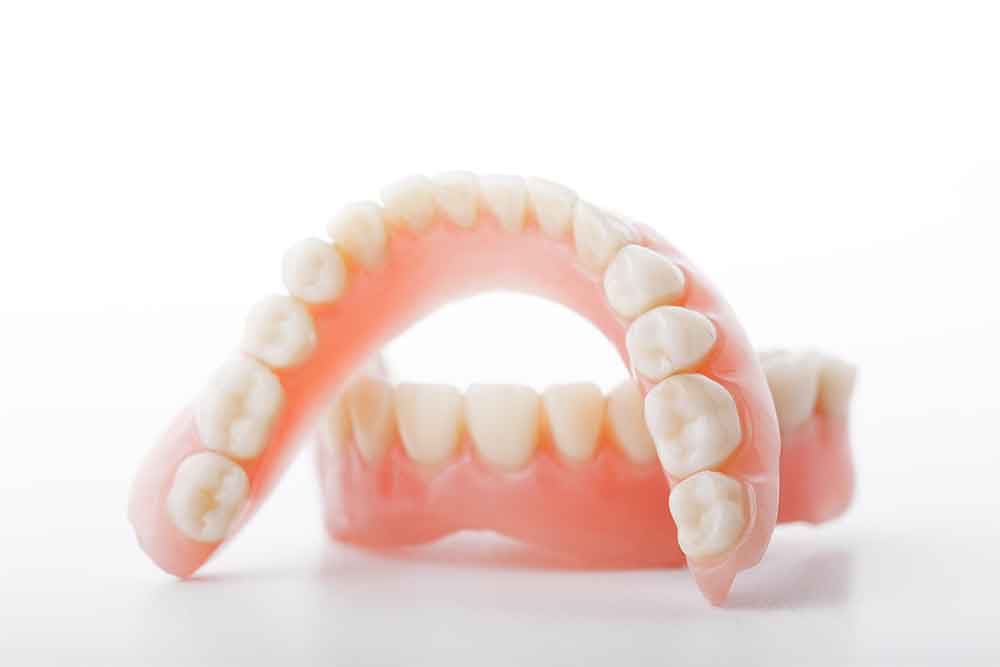
Removable dentures can replace several missing teeth or an entire dental arch. They are custom-made to fit the shape of the mouth and may help restore chewing ability, speech, and facial support.
Partial dentures are used when some natural teeth remain, while complete dentures replace all teeth in the upper or lower arch.
Patients considering removable tooth replacement can learn more about our custom denture options.
Dental Bridges
A dental bridge may be appropriate when one or more teeth are missing and the surrounding teeth are healthy enough to support the restoration.
The replacement tooth is held in place by crowns attached to nearby teeth. However, patients with significant periodontal damage may need additional evaluation before a bridge can be recommended.
Dental Implants
Dental implants replace missing tooth roots using small posts placed into the jawbone. They may support individual crowns, bridges, or implant-supported dentures.
Because periodontal disease can reduce bone density, some patients may require additional treatment before becoming candidates for implants.
Learn more about dental implant treatment and whether it may be appropriate for your oral health needs.
Implant-Supported Dentures
Implant-supported dentures combine a removable or fixed denture restoration with dental implants for added stability.
This option may reduce movement while speaking or chewing, but it requires sufficient bone support and healthy gum tissue. A complete examination is necessary to determine whether implant-supported treatment is suitable.
Can Dentures Help After Tooth Loss From Gum Disease?
Dentures may help restore several functions affected by tooth loss. They can replace missing teeth, support the lips and cheeks, and make it easier to chew a wider variety of foods.
Possible benefits include:
- Improved chewing function
- Better speech clarity
- Restored facial support
- Improved appearance of the smile
- Greater confidence during daily activities
- Reduced pressure on remaining natural teeth
However, dentures do not treat periodontal disease itself. Gum health must continue to be monitored after the restoration is placed.
Even patients with complete dentures may still need routine dental visits so the gums, jawbone, bite, and denture fit can be evaluated.
What Types of Dentures May Be Considered?
The recommended denture type depends on how many teeth are missing and the health of the remaining teeth and gums.
Complete Dentures
Complete dentures replace all teeth in the upper arch, lower arch, or both. They rest on the gum tissue and are shaped to fit the patient’s mouth.
Partial Dentures
Partial dentures replace several missing teeth while allowing healthy natural teeth to remain. They may use clasps or other attachments for support.
Immediate Dentures
Immediate dentures may be placed soon after teeth are removed. They help patients avoid going without teeth during the initial healing period.
Because the gums and bone can change shape while healing, adjustments or replacement may be needed later.
Implant-Supported Dentures
Implant-supported dentures attach to dental implants placed in the jaw. They may offer improved stability compared with traditional removable dentures, although not every patient is a candidate.
How Can Patients Protect Their Oral Health After Tooth Loss?
Replacing missing teeth is only one part of maintaining oral health after periodontal disease.
Patients should continue to:
- Brush the gums, tongue, and remaining teeth every day
- Clean dentures according to the dentist’s instructions
- Remove removable dentures when recommended
- Attend regular dental examinations
- Schedule professional cleanings and periodontal maintenance
- Report discomfort, looseness, or changes in fit
- Avoid smoking and tobacco use
- Maintain a balanced diet
Consistent care can help protect the remaining teeth and supporting tissues while also extending the life of the dental restoration.
How Long Does It Take to Replace Missing Teeth?
The treatment timeline varies depending on the patient’s oral health and the selected replacement option.
Traditional dentures may require several appointments for examinations, impressions, measurements, fittings, and adjustments.
Dental implant treatment often takes longer because the implant must integrate with the jawbone before the final restoration can be placed. Patients who require periodontal therapy, tooth extraction, or bone grafting may also need additional healing time.
A personalized treatment plan provides the clearest estimate of the expected timeline.
How Much Does Tooth Replacement Cost?
The cost depends on several factors, including:
- The number of missing teeth
- The type of restoration selected
- Whether extractions are necessary
- The condition of the gums and jawbone
- Whether periodontal treatment is required
- Whether dental implants are used
- Insurance coverage and financing options
A dental examination is necessary before an accurate estimate can be provided.
Frequently Asked Questions
Can teeth become loose because of periodontal disease?
Yes. Advanced periodontal disease can damage the bone and tissues supporting the teeth. As support decreases, teeth may loosen, shift, or eventually require removal.
Can missing teeth be replaced immediately after extraction?
In some cases, an immediate denture may be placed after extraction. Other treatments may require a healing period before the final restoration is completed.
Can someone with gum disease receive dental implants?
Possibly, but the active infection should first be controlled. The dentist must also evaluate the amount and quality of the available jawbone.
Do dentures stop periodontal disease?
No. Dentures replace missing teeth but do not treat gum disease. Any active infection must be managed separately.
Are regular dental appointments still necessary with dentures?
Yes. Routine visits allow the dentist to examine the gums, jawbone, bite, denture fit, and any remaining natural teeth.
Explore Your Tooth Replacement Options
Tooth loss from periodontal disease can affect daily comfort, nutrition, speech, and confidence. The right replacement option depends on the health of your gums, jawbone, and remaining teeth.
A comprehensive dental evaluation can help determine whether removable dentures, a bridge, dental implants, or another restorative option is appropriate.
To learn more, explore our denture services in Burlington or schedule an evaluation with Monahan Family and Cosmetic Dentistry.