
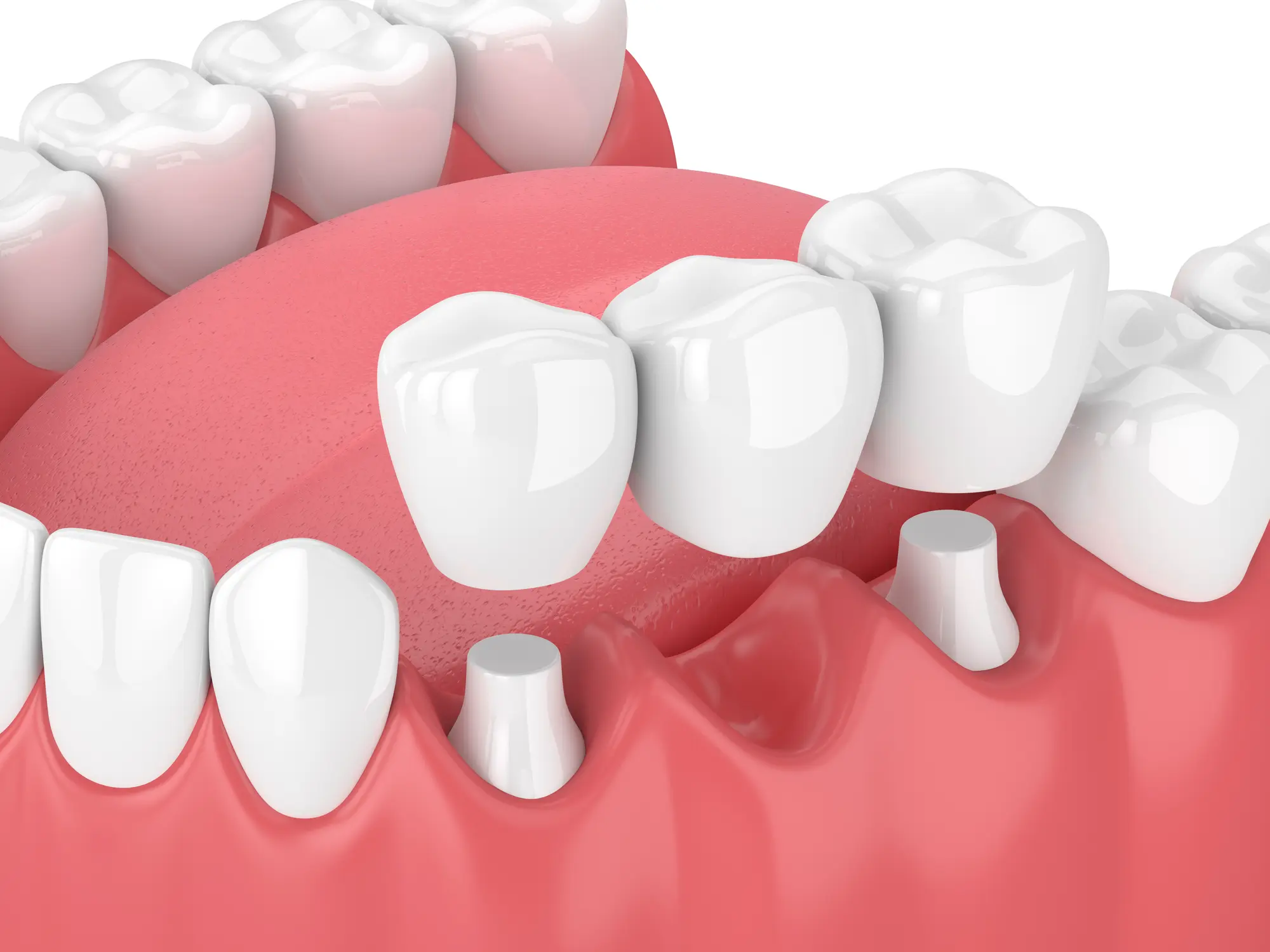
Everyone talks about dental bridges like they’re simply functional replacements for missing teeth. They restore your smile, improve chewing, prevent shifting—end of story, right? Not quite. What most people don’t expect is that a dental bridge can subtly reshape the personality of your bite.
Yes, your bite has a personality.
It has habits.
It has preferences.
It reacts to changes.
And just like any good personality, it evolves over time based on the environment—aka your mouth.
If you’ve ever gotten a dental bridge and thought, “Huh, something feels different,” that’s exactly why. Your bite has opinions, and it’s not shy about expressing them. As your bridge settles in, your chewing patterns adjust, your alignment behaves differently, and the entire way your mouth interacts with food gets a surprising upgrade.
Let’s dive into how a dental bridge influences the feel, function, and even the “behavior” of your bite because it transforms more than just your smile.
How Do Dental Bridges Change The Way My Bite Feels Over Time?
Most people expect their dental bridge to feel unfamiliar for a few days—but over time, the changes become far more interesting (and meaningful).
1. Your bite redistributes pressure
Before your bridge, your bite had to compensate for the missing tooth. That meant chewing on one side, using certain teeth more than others, or avoiding certain textures. Once your bridge settles in, pressure spreads more evenly—and that alone changes how your bite feels.
2. Your jaw muscles relax
Compensation creates tension. When the bridge restores natural contact, your jaw muscles gradually stop overworking. Many patients report that their bite feels lighter or less strained.
3. Your mouth relearns symmetry
Even if you didn’t consciously favor one side, your brain absolutely noticed the missing tooth. With the bridge in place, your bite slowly returns to balanced function.
4. Bite contacts adjust subtly
Your dentist ensures that the bridge fits your bite perfectly—but your mouth fine-tunes those micro-adjustments over time. This natural settling process is part of why the bite “feels” more natural each week.
5. Your gum tissues adapt
Your gums adjust to the presence of the bridge, helping the bite feel increasingly stable and comfortable.
6. Your chewing efficiency improves
As the bridge becomes part of your daily routine, chewing feels easier, more controlled, and more confident.
Your bite isn’t just mechanical—it responds to new structure like someone adapting to a new dance partner. It learns the rhythm, the spacing, and the new “steps” until everything flows smoothly again.
Can a Dental Bridge Affect the Balance and Alignment of My Bite?
Absolutely—and in many cases, it improves both.
Your bite is a system. Every tooth plays a role. When one tooth is missing, the entire system adjusts, even if you don’t notice it immediately. A dental bridge helps restore balance by giving your bite the structure it needs.
Here’s how a bridge influences alignment and balance:
1. It prevents neighboring teeth from drifting
Teeth shift toward open spaces like they’re trying to fill the gap. A dental bridge stops this movement and protects your natural alignment.
2. It stops bite asymmetry from developing
If you’ve been chewing mostly on one side to avoid the missing tooth, your alignment can gradually change. The bridge encourages balance again.
3. It stabilizes your bite pattern
A stable tooth structure equals a stable bite. With the bridge in place, the upper and lower teeth meet more predictably.
4. It reduces uneven wear
Missing teeth force remaining teeth to overwork, often causing premature wear. A bridge redistributes force so wear patterns become more natural again.
5. It supports jaw joint comfort
When your bite is unbalanced, even slightly, your TMJ (jaw joint) often absorbs the stress. A bridge helps restore harmony, which can reduce discomfort.
6. It completes the “bite puzzle”
Your bite is like an interlocking system. Missing pieces create imbalance. A bridge completes the system so everything fits again.
Restoring alignment isn’t just about aesthetics—it’s about the mechanics of how your entire mouth works. A bridge ensures nothing has to overcompensate.
What Happens to My Chewing Patterns After Getting a Dental Bridge?
If you’ve ever watched someone try to eat with chopsticks for the first time, you know that chewing is more coordinated than it looks. A dental bridge re-trains your chewing patterns in subtle, fascinating ways.
1. You stop avoiding certain foods
Crunchy foods? Chewy foods? Foods you cut into smaller pieces?
A dental bridge restores your confidence to bite normally again.
2. You begin chewing on both sides of your mouth
People don’t realize how long they’ve been “siding” their chewing until the bridge encourages bilateral balance again.
3. Your bite force becomes more efficient
With a restored tooth, your bite force spreads instead of concentrating on fewer teeth. This makes chewing easier and more comfortable.
4. Your food breakdown improves
Better chewing = better digestion. Many patients don’t expect this bonus benefit.
5. Your jaw movements smooth out
Chewing with missing teeth often creates awkward or incomplete jaw movements. A bridge helps restore natural patterns.
6. You regain sensory confidence
There’s a psychological comfort in knowing your bite is complete again. People chew with more assurance and without hesitation.
7. Texture and temperature perception changes slightly
Bridges restore bite height and contact, which can subtly enhance how food feels when you chew.
In short, a dental bridge doesn’t just fill space—it restores rhythm. Your chewing becomes harmonious again instead of improvisational.
Do Dental Bridges Influence the Overall Function and Behavior of My Bite?
They don’t just influence your bite—they reshape how it behaves.
Your bite, as strange as it sounds, is full of “behavioral” tendencies. It favors certain teeth, responds to discomfort, adapts to changes, and even develops habits over time. A dental bridge recalibrates that behavior.
Here’s how bridges influence bite behavior:
1. They restore bite height
Missing teeth can cause your bite to collapse slightly. Bridges reestablish vertical dimension, which affects everything from chewing to facial posture.
2. They encourage consistent chewing patterns
Without gaps to avoid, your mouth returns to normal behavior instead of compensation behavior.
3. They help correct long-term habits
If you’ve been over-chewing on one side, grinding differently, or shifting your bite subconsciously, a bridge can help reverse those patterns.
4. They allow for more natural tooth-to-tooth contact
Your bite’s behavior revolves around how your teeth meet. A complete arch creates predictable, healthy contact.
5. They reduce stress on remaining teeth
When your bite stops “depending” on certain teeth, those teeth stop absorbing excess force.
6. They improve overall mouth posture
Believe it or not, missing teeth can influence everything from tongue placement to the way you close your mouth.
7. They support better dental habits
People with bridges often become more aware of their bite—brushing more thoroughly, flossing more regularly, and attending checkups more consistently.
A dental bridge isn’t just a structural repair—it’s a behavioral correction for your entire bite.
Restore Your Bite’s Balance and Personality — Trust Monahan Family & Cosmetic Dentistry
Your bite is more than mechanics—it’s a part of who you are. A dental bridge can transform how you chew, smile, speak, and feel every single day. If you’re ready to restore balance, confidence, and full function to your smile, our team is here to help.
Rebuild your bite’s natural harmony with a dental bridge designed specifically for you. Schedule your visit with Monahan Family & Cosmetic Dentistry today and experience how complete your smile and your bite can truly feel.