

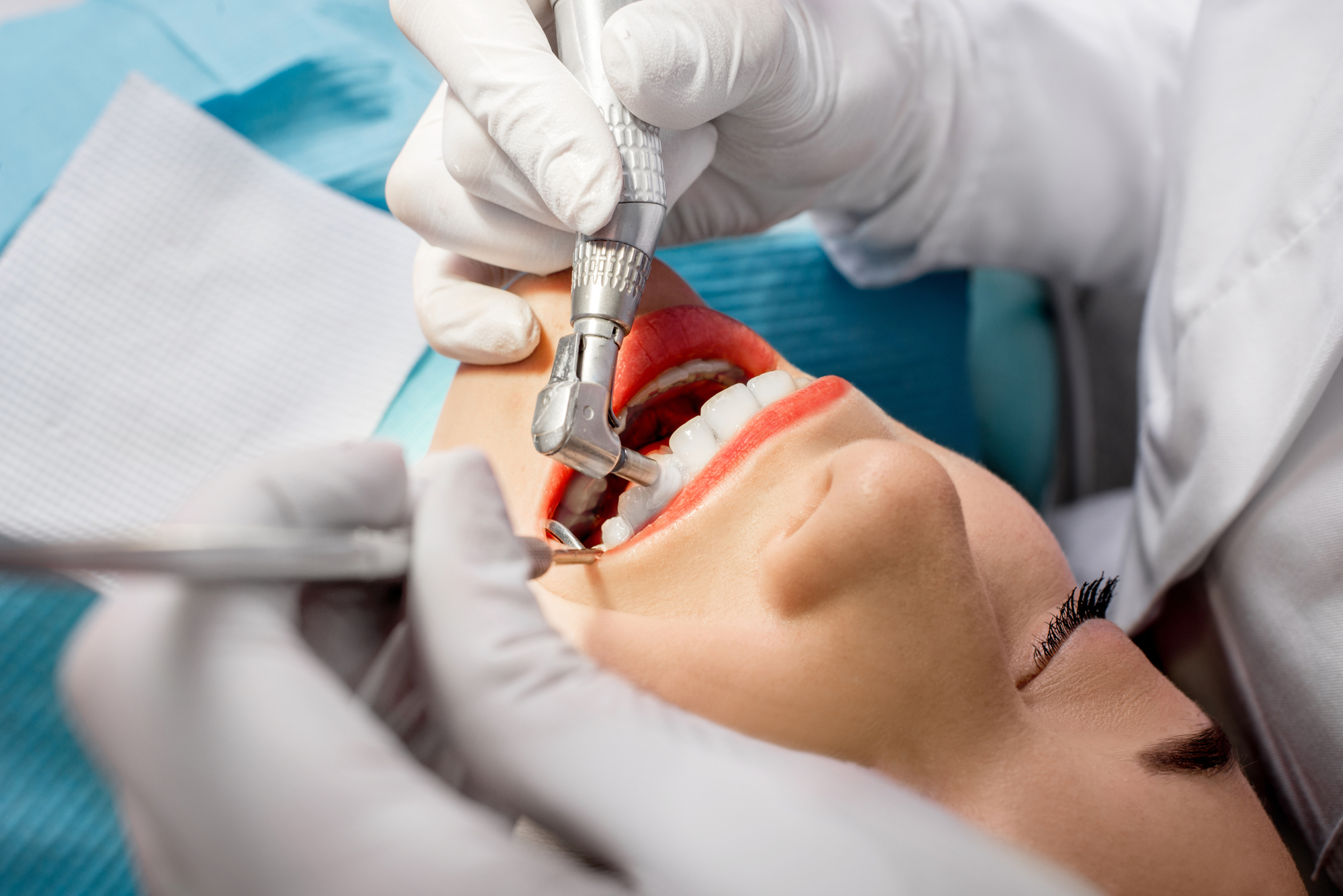
Most people don’t book a teeth cleaning because they’re feeling dramatic symptoms.
No one calls the dentist and says, “Hi, I think I have a dangerous amount of plaque developing quietly behind my molars.” That’s not how life works.
Usually, it’s much more casual:
- “It’s been a while, I should probably go.”
- “My insurance covers two cleanings, so I might as well.”
- “My spouse keeps reminding me.”
- “I don’t want cavities again.”
Fair enough.
But here’s what most people don’t realize until they’re sitting in the chair with the suction tube doing its best impression of a tiny vacuum cleaner:
A teeth cleaning appointment reveals more about your oral health before you ever feel symptoms.
Long before pain shows up, long before something cracks, long before you wake up with a throbbing toothache at 2 AM, your mouth leaves clues.
A professional cleaning isn’t just cleaning. It’s prevention, early detection, and honestly… a bit of investigative work.
So let’s talk about what a simple cleaning can uncover when everything still feels “fine.”
Because in dentistry, “fine” is not always the full story.
How Can a Teeth Cleaning Detect Early Signs of Gum Disease Before Pain Starts?
Here’s the tricky thing about gum disease:
It’s one of the quietest problems in dentistry.
Gum disease doesn’t usually kick down the door with sharp pain and flashing warning signs. It sneaks in like an unwanted houseguest who slowly makes themselves comfortable.
In its early stage, gingivitis, most people don’t feel anything at all.
Maybe a little bleeding when brushing, but even that gets brushed off (pun intended).
During a cleaning, though, the dental team can detect gum disease long before you’d ever notice discomfort.
They check for things like:
- Gum inflammation or redness
- Bleeding during probing
- Swelling along the gumline
- Early pocket depth changes
- Gum recession beginning around teeth
This is important because gum disease is much easier to reverse early.
Once it progresses into periodontitis, it can start affecting:
- Bone support
- Tooth stability
- Long-term oral health
- Even systemic health connections
That’s why cleanings aren’t just “optional polish sessions.”
They’re early warning appointments.
And gum disease doesn’t hurt until it becomes serious, which makes preventive visits incredibly valuable.
What Hidden Dental Problems Can a Professional Cleaning Uncover During a Routine Visit?
A lot can hide in the mouth.
Teeth are great at masking issues until they suddenly decide to stop being polite.
Professional cleanings often uncover problems that are developing quietly, including:
Small Cavities Before They Become Big Ones
Early decay can form between teeth or near the gumline without obvious pain.
Dentists can spot:
- Soft enamel areas
- Darkened fissures
- Early mineral breakdown
By the time a cavity hurts, it’s usually no longer “small.”
Cracks and Stress Fractures
Many adults have tiny cracks from grinding, chewing ice, or just years of wear.
During a routine visit, dentists may notice:
- Hairline fractures
- Worn edges
- Signs of bite imbalance
Catching cracks early helps avoid bigger breaks later.
Failed or Aging Dental Work
Old fillings and crowns don’t last forever.
A cleaning appointment is often when a dentist sees:
- Margins starting to leak
- Discoloration around fillings
- Wear and breakdown of restorations
That’s not something you feel right away, but it matters long-term.
Signs of Grinding or Jaw Tension
Your hygienist can often tell if you’ve been clenching at night.
Common clues include:
- Flattened tooth surfaces
- Chipped enamel
- Jaw soreness
- Gum recession from pressure
Stress shows up in surprising places, including your molars.
Oral Cancer Screening Clues
Routine cleanings often include soft tissue checks.
Dentists look for:
- Unusual patches
- Persistent sores
- Tissue changes under the tongue or cheeks
Early detection matters immensely here.
So yes, it’s “just a cleaning”… but it’s also one of the most consistent diagnostic check-ins most people get.
Why Do Dentists Recommend Regular Cleanings Even When Your Teeth Feel Fine?
This is probably the most common thought people have:
“Nothing hurts, so do I really need to go?”
And honestly, it makes sense. In most areas of life, pain is what motivates action.
But dentistry works differently.
Most oral health problems do not cause symptoms early.
Tooth decay doesn’t announce itself.
Gum disease doesn’t send a calendar invite.
Tartar doesn’t politely ask permission to settle in.
By the time something hurts, it often requires more involved treatment.
Dentists recommend regular cleanings because they help:
- Prevent problems instead of repairing them
- Catch issues early when they’re easier and cheaper to treat
- Keep gums healthy and stable over decades
- Reduce bacterial load in the mouth
- Protect enamel from long-term damage
Think of it like maintaining your car.
You don’t wait for smoke to come out of the hood before changing the oil.
Cleanings are maintenance for your mouth.
And they matter even more because oral health connects to overall health.
Regular cleanings are one of the simplest ways to stay ahead of issues without drama.
What Does Plaque and Tartar Buildup Reveal About Your Long-Term Oral Health?
Plaque is basically the mouth’s version of daily clutter.
It forms constantly, even in people who brush well.
But when plaque isn’t removed thoroughly, it hardens into tartar (calculus), and that’s where things get more serious.
Tartar buildup reveals a lot about long-term oral trends.
It can indicate:
Areas You Can’t Reach at Home
Some spots are just tough, like behind the lower front teeth or deep molar grooves.
Professional tools are needed there.
Increased Risk for Gum Disease
Tartar irritates gums and holds bacteria close to tissue.
That’s the perfect recipe for inflammation.
Consistency of Oral Hygiene Habits
Dentists aren’t judging, but buildup patterns tell stories.
Sometimes the issue isn’t effort, it’s technique, tools, or timing.
Future Tooth Stability
Long-term tartar and plaque accumulation can eventually lead to:
- Bone loss
- Loose teeth
- Tooth loss in severe cases
That’s why removing it isn’t cosmetic, it’s protective.
The Importance of Preventive Rhythm
A mouth that builds tartar quickly often needs more consistent cleanings.
Some people need every six months. Others benefit from every three to four.
Plaque and tartar don’t just show what happened this week.
They reveal what your mouth is trending toward over the next decade.
The Quiet Power of a Cleaning Appointment
Teeth cleanings aren’t glamorous.
Nobody’s posting “Just had my periodontal charting done!” on Instagram.
But they are one of the most powerful preventive tools in dentistry.
Because they reveal what’s happening beneath the surface before symptoms ever appear.
Cleanings can detect:
- Early gum disease
- Hidden cavities
- Cracks and wear
- Oral health risk patterns
- Tartar buildup that predicts future issues
And they give you the chance to act early, calmly, and proactively.
Which is always better than acting in pain.
Don’t Wait for a Tooth to Start Complaining
At Monahan Family & Cosmetic Dentistry, we believe the best dental care happens before problems become painful.
A routine cleaning isn’t just about polishing teeth, it’s about protecting your future smile, catching issues early, and keeping your mouth healthy for the long haul.
Come see us for a fresh start and a clearer picture of your oral health.
Schedule your teeth cleaning with Monahan Family & Cosmetic Dentistry today, and let prevention do the heavy lifting.