
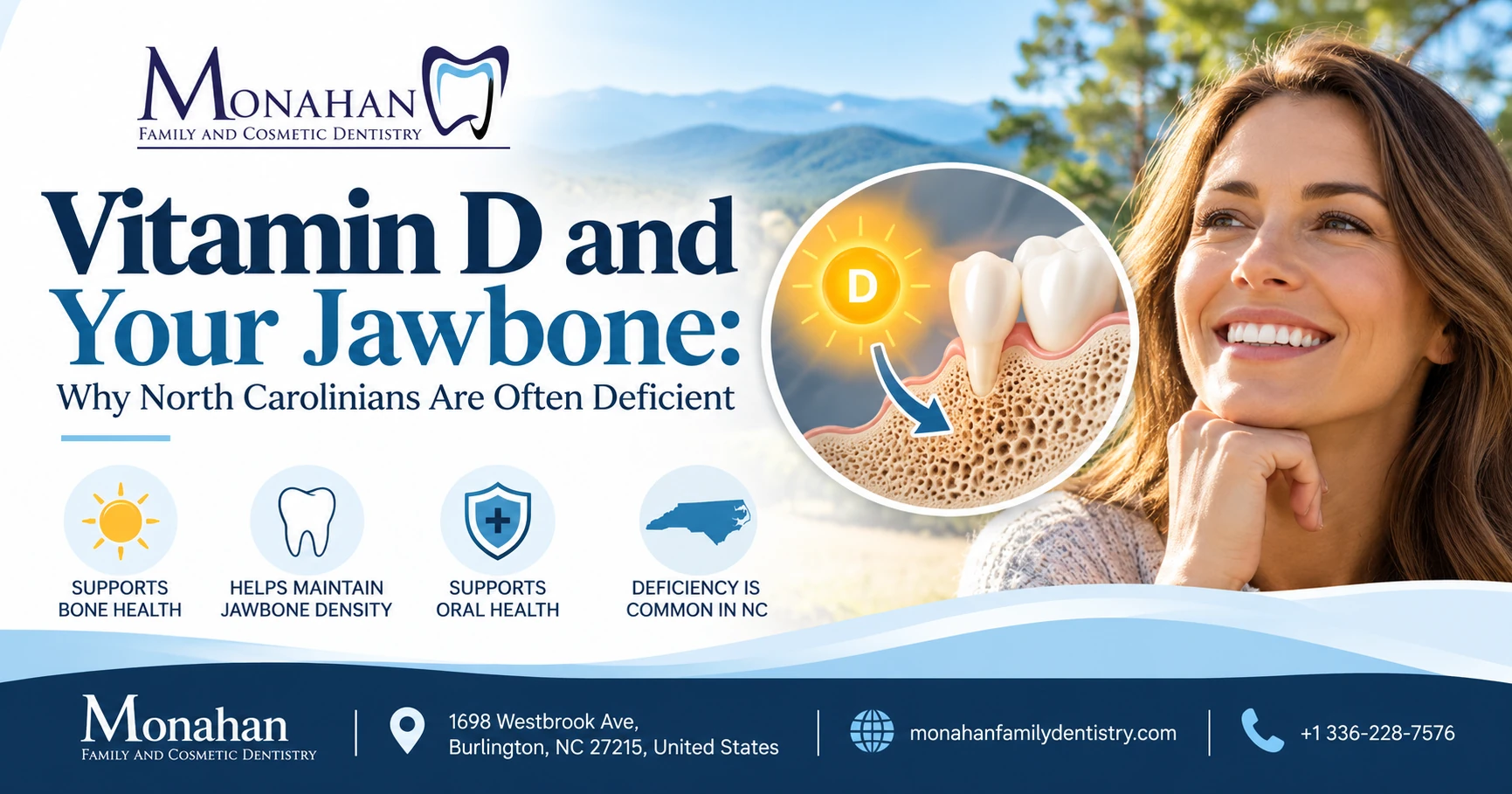
Most people know vitamin D is important for bones.
What they don’t realize is that your jawbone is a bone too.
And if vitamin D levels are low for years, the effects can show up in places you might not expect including your mouth.
In fact, one of the most overlooked connections in dentistry is the relationship between vitamin D, bone health, gum disease, dental implants, and tooth stability.
The surprising part?
Many North Carolinians are deficient without realizing it.
The Short Answer
Vitamin D helps your body:
- Absorb calcium
- Maintain bone density
- Support immune function
- Regulate inflammation
- Preserve healthy bone structure
That includes the bone that supports your teeth.
When vitamin D levels are consistently low, it may contribute to:
- Reduced bone density
- Increased risk of bone loss
- Poorer healing
- Greater susceptibility to gum disease
- Challenges with long-term oral health
Vitamin D deficiency is common in the United States, even in sunny states like North Carolina.
Wait Don’t We Get Plenty of Sun in North Carolina?
That’s what surprises most people.
Patients often assume vitamin D deficiency is only a problem in places like Minnesota or Maine.
But sunshine alone doesn’t guarantee healthy vitamin D levels.
Modern life works against us.
Many people spend most of their day:
- Inside offices
- Inside schools
- Inside vehicles
- Inside homes
Even during summer months.
Add sunscreen use, aging, skin pigmentation, dietary factors, and certain medical conditions, and deficiency becomes more common than people realize.
Why Dentists Care About Vitamin D
Because healthy teeth need healthy support structures.
Teeth are not anchored directly into solid concrete.
They’re supported by:
- Jawbone
- Periodontal ligament
- Gum tissue
- Surrounding bone structures
If those support systems weaken, dental problems become more likely.
The goal isn’t simply keeping teeth healthy.
It’s maintaining the foundation beneath them.
The Connection to Gum Disease
This is where things get interesting.
Gum disease isn’t just an infection.
It’s also an inflammatory condition.
Vitamin D plays a role in immune system regulation and inflammatory response.
Researchers continue to study how vitamin D status may influence periodontal health and bone preservation.
While vitamin D isn’t a cure for gum disease, maintaining healthy levels is part of supporting overall health including oral health.
The Dental Implant Conversation
Many patients considering dental implants have never thought about vitamin D.
But bone health matters when you’re talking about implant success.
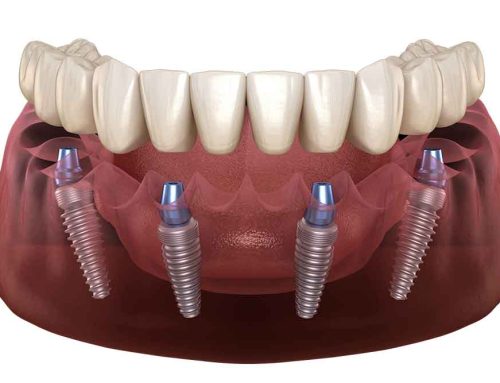
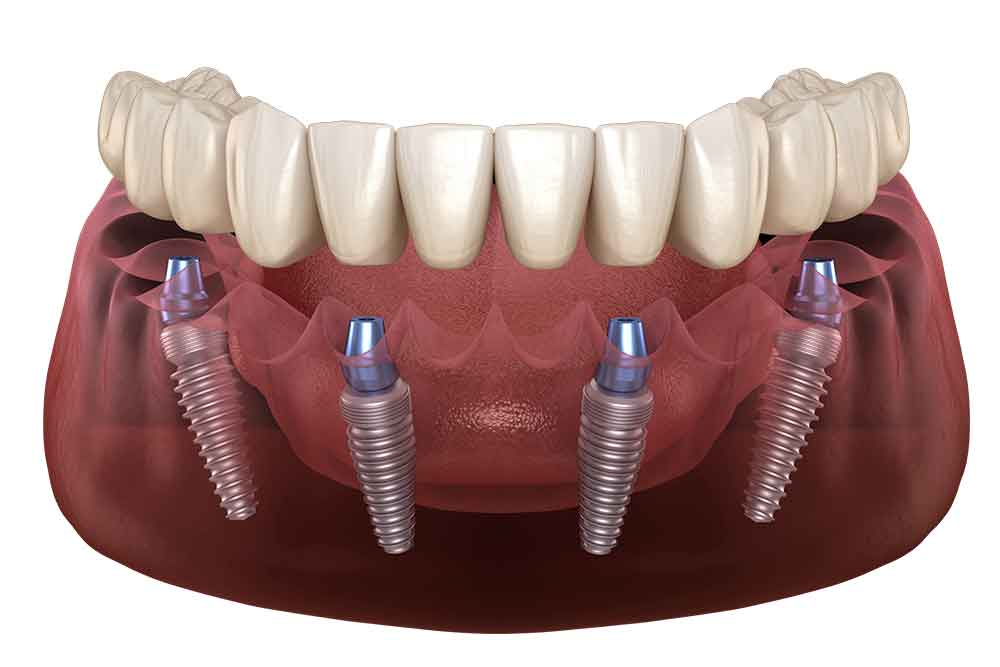
Dental implants rely on a process called osseointegration.
That’s the biological process where the implant fuses with surrounding bone.
A strong, healthy bone creates a better environment for long-term success.
Vitamin D is one of many factors that contribute to overall bone health.
The Signs You Might Be Deficient
Here’s the tricky part.
Many people with low vitamin D have no obvious symptoms.
Others experience:
- Fatigue
- Muscle weakness
- Bone discomfort
- Frequent illness
- Slow healing
- Generalized aches
These symptoms are vague enough that many people never connect them to vitamin D levels.
That’s why deficiency often goes unnoticed.
The Honest Truth
Vitamin D is not a magic solution.
It won’t reverse advanced gum disease.
It won’t eliminate cavities.
It won’t replace good brushing and flossing habits.
And it certainly won’t fix every dental problem.
Some health articles make vitamin D sound like a miracle supplement.
That’s not reality.
What it can do is support the systems your body uses to maintain healthy bones and tissues.
That’s valuable but it’s not magic.
The Bigger Picture
One of the reasons modern dentistry has changed is that we increasingly recognize how connected oral health is to overall health.
The mouth isn’t separate from the rest of the body.
The same factors that affect:
- Bone health
- Immune function
- Inflammation
- Healing
Can also influence dental outcomes.
That’s why good dentistry involves looking beyond teeth alone.
What Patients Should Ask
If you’re concerned about bone health, gum disease, or dental implants, consider discussing:
- Vitamin D status
- Calcium intake
- Bone density concerns
- Medical conditions affecting absorption
- Current medications
- Overall health history
These conversations often provide more useful information than focusing on teeth alone.
The Bottom Line
Many North Carolinians assume vitamin D deficiency isn’t something they need to worry about.
Yet it remains surprisingly common.
And while vitamin D won’t solve every dental problem, it plays an important role in supporting the bone and tissue structures that help keep teeth healthy for life.
At Monahan Family and Cosmetic Dentistry, Dr. Thomas Monahan helps patients throughout Burlington, Graham, Mebane, Elon, and Alamance County understand the bigger picture behind oral health. Because healthy teeth depend on more than fillings and cleanings they depend on the health of the entire system supporting them.
Frequently Asked Questions
Can low vitamin D affect my teeth?
Indirectly, yes. Vitamin D supports bone health and calcium absorption, both of which play important roles in oral health.
Does vitamin D help prevent gum disease?
Vitamin D supports immune function and bone health, but it is not a substitute for proper dental care or periodontal treatment.
Should I take a vitamin D supplement?
That decision should be made with your physician based on your health history and laboratory testing.
Can vitamin D deficiency affect dental implants?
Healthy bone is important for implant success, and vitamin D is one factor that contributes to bone health.
How do I know if I’m vitamin D deficient?
The most reliable way is through medical evaluation and blood testing ordered by your healthcare provider.