
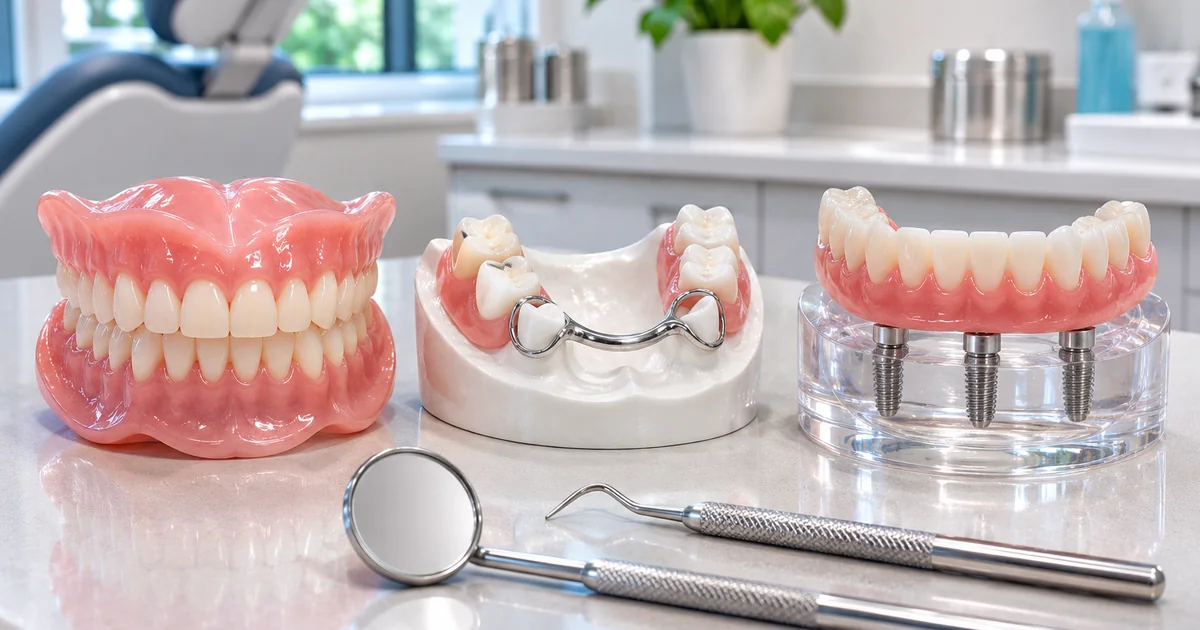
If you have lost several teeth or are facing the loss of most of your teeth the word “dentures” does not describe one treatment or one price.
A removable partial denture might replace three missing teeth.
A full denture replaces every tooth in an upper or lower arch.
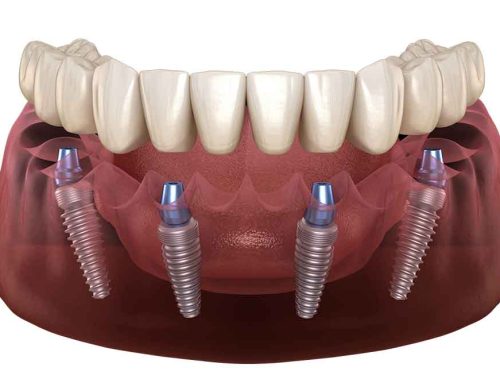
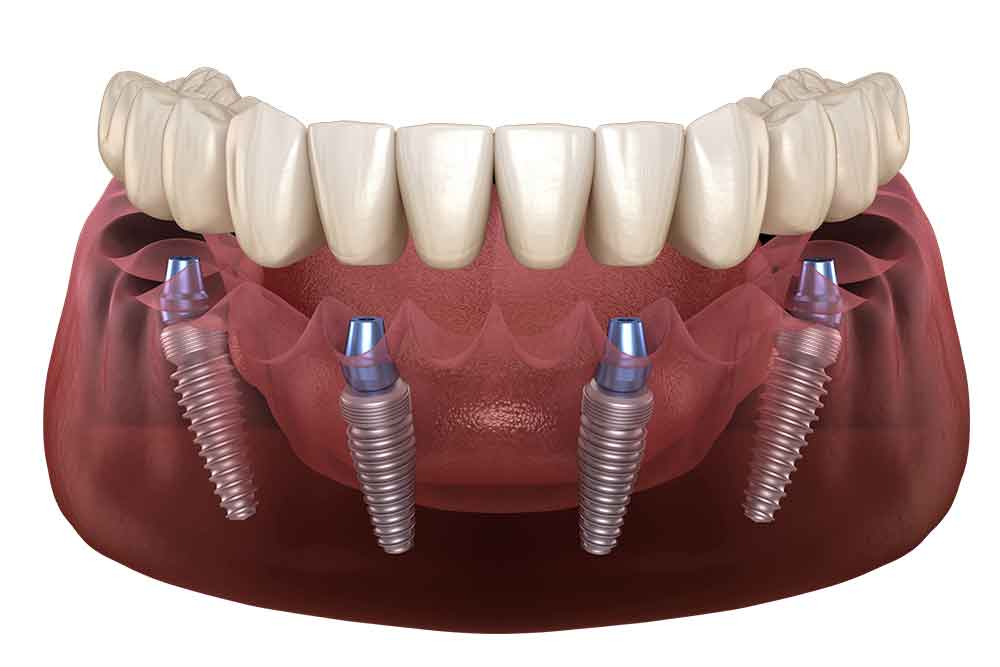
An implant-supported denture can replace a full arch but use dental implants to improve stability.
Those are very different treatment plans.
They also have very different costs.
For Burlington patients, a useful starting point is:
- Full removable denture: approximately $1,000–$4,000+ per arch
- Partial denture: approximately $700–$2,500, depending on design and materials
- Implant-supported denture: potentially $4,000–$30,000 or more, depending on the number of implants, prosthesis design, surgery, and whether treatment involves one or both arches
At Monahan Family & Cosmetic Dentistry, our current 2026 Burlington pricing guide places full dentures around $1,000–$4,000+ per arch. Other Monahan denture resources give planning ranges of approximately $700–$2,500 for partial dentures and $4,000–$30,000 for implant-supported dentures, depending heavily on the case.
Those are planning numbers.
They are not quotes.
The final price depends on what teeth remain, whether extractions are necessary, the health of the gums and bone, the materials used, and whether implants are part of the treatment.
The cheapest option today is not automatically the lowest-cost option over the next ten years.
And the most expensive option is not automatically necessary.
Here is how to compare them properly.
How Much Do Dentures Cost in Burlington, NC?
The easiest way to understand denture costs in Burlington, NC is to compare the three major categories.
| Denture option | Practical planning range | Main advantage |
| Full removable denture | $1,000–$4,000+ per arch | Lowest-cost way to replace a complete arch |
| Partial denture | About $700–$2,500 | Replaces several teeth while keeping healthy natural teeth |
| Implant-supported denture | About $4,000–$30,000+ depending on design | Greater stability and reduced movement |
National data shows similarly wide variation. Delta Dental currently reports average out-of-network costs of roughly $1,115–$2,425 for a full lower denture, $1,220–$2,540 for a full upper denture, and approximately $1,425–$2,785 for removable partial dentures.
CareCredit’s 2026 national data places a conventional full removable denture around $2,022 on average, while premium removable dentures can cost much more.
That range tells you something important.
“Denture price” alone is almost meaningless unless you know what kind of denture is being quoted.
What Is a Full Denture?
A full denture also called a complete denture replaces every tooth in the upper jaw, lower jaw, or both.
The denture rests primarily on the gums and underlying tissues.
Monahan provides complete dentures for Burlington patients who have lost all of the natural teeth in an arch.
What does a full denture cost?
Our current Burlington guide places a full denture at approximately:
$1,000–$4,000+ per arch.
That means a patient replacing both the upper and lower arches should not assume the price is still $1,000–$4,000 total.
Ask whether the estimate is per arch or for both arches.
That one question can prevent a major misunderstanding.
Why can two full dentures have different prices?
Material quality matters.
Customization matters.
The condition of your gums matters.
Your bite matters.
The amount of time needed to create an acceptable fit matters.
A patient with relatively favorable anatomy may have a different treatment process from someone who has experienced substantial jawbone changes after years without teeth.
A low-cost denture may be perfectly adequate for one person.
Another patient may need greater customization and adjustment to achieve reasonable function.
What Is a Partial Denture?
A partial denture is used when you are missing some teeth but still have natural teeth worth keeping.
Instead of replacing an entire arch, the prosthesis fills specific gaps.
The American College of Prosthodontists explains that removable partial dentures generally use the remaining natural teeth to help retain the appliance.
At Monahan, partial dentures may use acrylic or a framework that connects to remaining teeth for support.
How much does a partial denture cost in Burlington?
One Monahan resource gives a broad planning range of approximately:
$700–$2,500.
National numbers are comparable but vary by material.
CareCredit lists average costs around:
- $1,780 for flexible nylon partials
- Approximately $1,700–$2,200+ for several other removable partial designs in its current national data
The material and framework can materially affect the price.
When is a partial denture the most economical choice?
A partial often makes financial sense when:
- Several teeth are missing
- Healthy natural teeth remain
- Implant treatment is outside the current budget
- A fixed bridge would require treatment of several teeth
- You want to replace multiple spaces with one removable appliance
A partial is generally less expensive upfront than replacing several missing teeth individually with implants.
But it is removable.
That tradeoff matters.
What Is an Implant-Supported Denture?
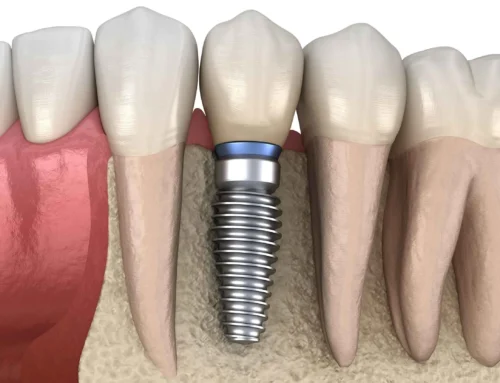
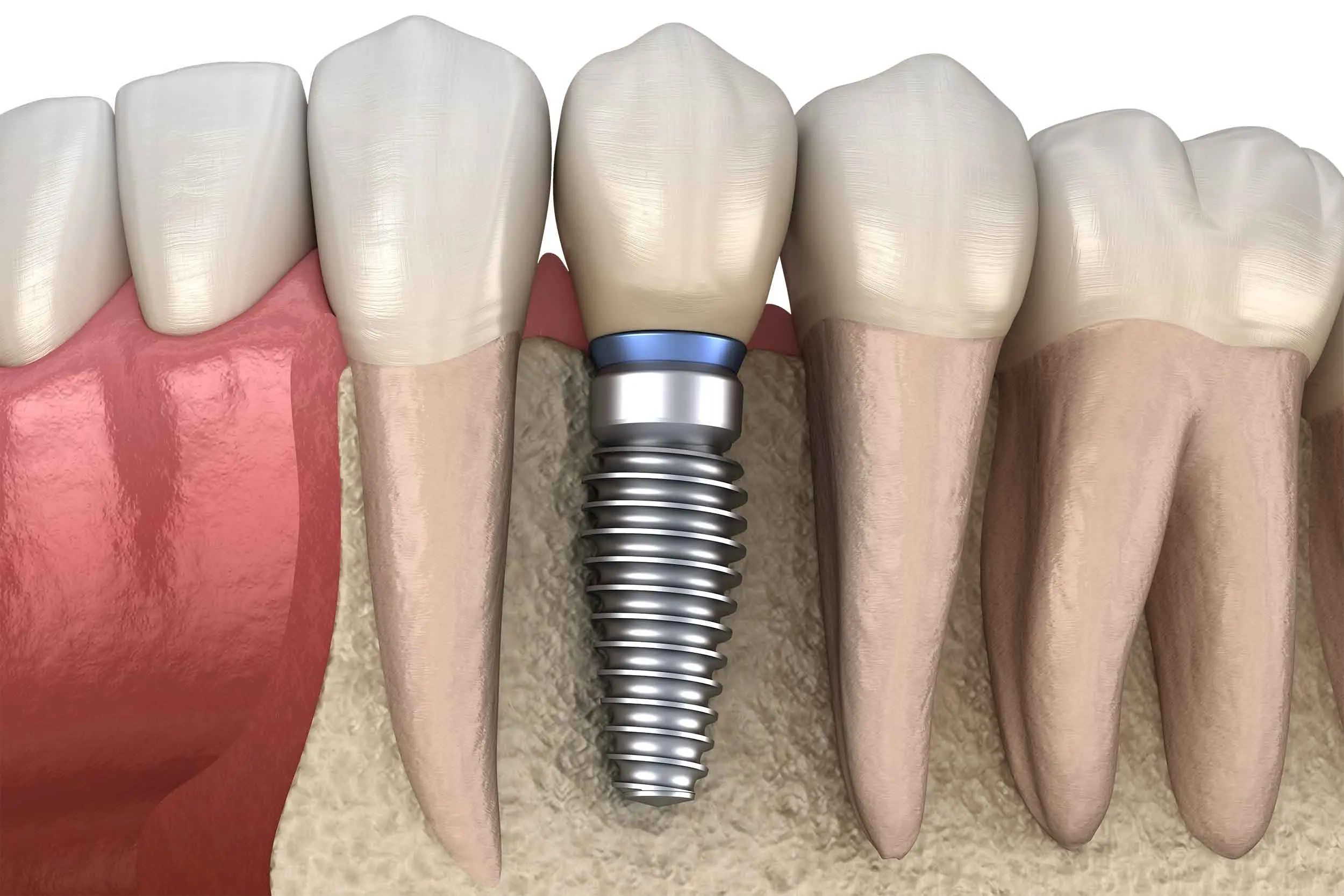
An implant-supported denture uses dental implants in the jaw to provide retention and stability.
The denture is no longer depending entirely on gum tissue and suction.
Monahan currently offers implant-supported denture and full-arch implant options for patients who want more stability than conventional removable dentures can provide.
Not every implant denture is the same
This is where price comparisons get confusing.
An implant-supported denture can be:
- A removable overdenture that “snaps” onto implants
- A denture stabilized by a smaller number of implants
- A more extensive full-arch restoration
- A fixed restoration supported by multiple implants
These are not interchangeable treatments.
CareCredit’s current national data distinguishes removable implant-supported options from more extensive permanent designs, and notes that implant costs vary according to the number of fixtures and restoration type.
How much do implant-supported dentures cost?
Monahan has published a broad range of approximately:
$4,000–$30,000, depending on how many implants are required and the type of treatment involved.
That large range is not a mistake.
A lower denture stabilized with a limited number of implants is very different from replacing a complete arch with multiple implants, extensive surgery, and a sophisticated final prosthesis.
Do not compare these treatments based on the phrase “implant denture.”
Ask what you are actually receiving.
Why Are Implant-Supported Dentures So Much More Expensive?
Because you are paying for more than a denture.
Traditional removable dentures primarily involve the prosthesis itself and the clinical work necessary to create and fit it.
An implant-supported treatment may involve:
- Diagnostic imaging
- Surgical planning
- Tooth extractions
- Bone grafting when necessary
- Dental implants
- Implant placement surgery
- Healing time
- Implant attachments or abutments
- Temporary teeth
- The final denture or fixed prosthesis
- Follow-up care
- Future attachment maintenance
Each of those components has a cost.
That is why a $5,000 implant-denture quote and a $25,000 full-arch quote may both be legitimate.
They may simply describe completely different treatments.
What Are You Buying With the Extra Implant Cost?
Mainly stability.
A traditional lower denture can be particularly challenging because there is less surface area and no palate to help with suction.
As the jaw changes over time, a removable denture can become looser.
Dental implants create mechanical retention.
Monahan describes implant-supported dentures as an option that can reduce slipping and movement while improving chewing stability.
That can translate into:
- Less denture movement
- Greater confidence while speaking
- Better chewing stability
- Less dependence on adhesive for some patients
- A more secure feeling during daily use
Those benefits have value.
But they do not mean every denture patient needs implants.
Could a Less Expensive Traditional Denture Be the Better Choice?
Absolutely.
Some patients function very well with conventional dentures.
If your anatomy provides reasonable support and retention, you may not need to spend tens of thousands of dollars to restore basic function.
A conventional denture may be the better choice when:
- Budget is the primary limitation
- Surgery is not desirable
- Medical factors make implant treatment less appropriate
- You have good expectations about removable dentures
- You are comfortable with an appliance that comes out
- Your existing anatomy provides adequate stability
The goal should not be to buy the most advanced treatment available.
It should be to buy the treatment that solves your problem at a reasonable cost.
When Is Paying More for Implant Support Worth It?
For another patient, the inexpensive denture becomes frustrating very quickly.
This is especially true when a lower denture repeatedly moves.
If you constantly:
- Reapply adhesive
- Avoid certain foods
- Develop sore spots
- Worry that your denture will move while speaking
- Remove yourself from social meals
- Have difficulty chewing because the denture shifts
then stability may be worth paying for.
Monahan’s current discussion of mini-implant stabilization specifically addresses these complaints: adhesive dependence, food getting underneath the denture, movement during meals, and limitations on food choices.
In that situation, implant support is not primarily a cosmetic upgrade.
It is solving a functional problem.
Do You Have to Replace All Your Teeth to Get Dentures?
No.
This is where partial dentures matter.
If several natural teeth remain healthy and restorable, removing them simply to make a full denture may be unnecessarily aggressive.
Every remaining tooth needs to be evaluated individually.
Ask:
Which teeth have a reasonable long-term prognosis?
A healthy tooth should not automatically be extracted because making a complete denture seems simpler.
On the other hand, building an expensive partial denture around teeth with poor long-term prospects can also be a mistake.
If those supporting teeth fail shortly afterward, the partial may need modification or replacement.
Treatment planning matters as much as denture fabrication.
What Extra Costs Are Often Missing From a Denture Quote?
This is where patients get caught by low advertised prices.
The denture itself may not be the entire treatment.
Tooth extractions
If damaged teeth remain, they may need to be removed first.
Monahan’s current Burlington pricing guide places general tooth extractions around $200–$800 per tooth, depending on complexity.
Multiple extractions can therefore significantly increase the total.
Immediate dentures
Some patients do not want to go without teeth while the gums heal.
An immediate denture can be inserted around the time teeth are removed.
CareCredit’s 2026 national data places immediate temporary dentures at approximately $2,243 on average, although actual treatment costs vary.
Relines and adjustments
Your mouth changes after teeth are removed.
Bone and gum contours change during healing.
That means a denture that fits immediately after extraction may not fit exactly the same way months later.
Adjustments, relines, rebasing, or eventual replacement can become part of the long-term expense.
Implant surgery
For implant-supported dentures, ask whether the advertised figure includes the implants themselves or only the denture.
This is crucial.
How Long Do Dentures Last?
Dentures should not be viewed as permanent appliances.
The American College of Prosthodontists states that complete and partial removable dentures have limited lifespans because the tissues beneath them continue changing and the denture materials themselves can wear, fracture, or deteriorate.
The ACP recommends that dentures be evaluated for replacement once they have been in use for more than five years, particularly when fit, function, comfort, appearance, or tissue health has changed. It also notes that loose dentures commonly need remaking after roughly 5–10 years, depending on the patient.
That does not mean every denture expires on its fifth birthday.
Some continue functioning adequately much longer.
Others need significant adjustment sooner.
Why does the fit change?
Your mouth is biological.
The denture is not.
The gums and bone underneath the appliance change with time.
The denture keeps the shape it was originally given unless it is adjusted or remade.
That is why an older denture can gradually become loose even though nobody “did anything wrong.”
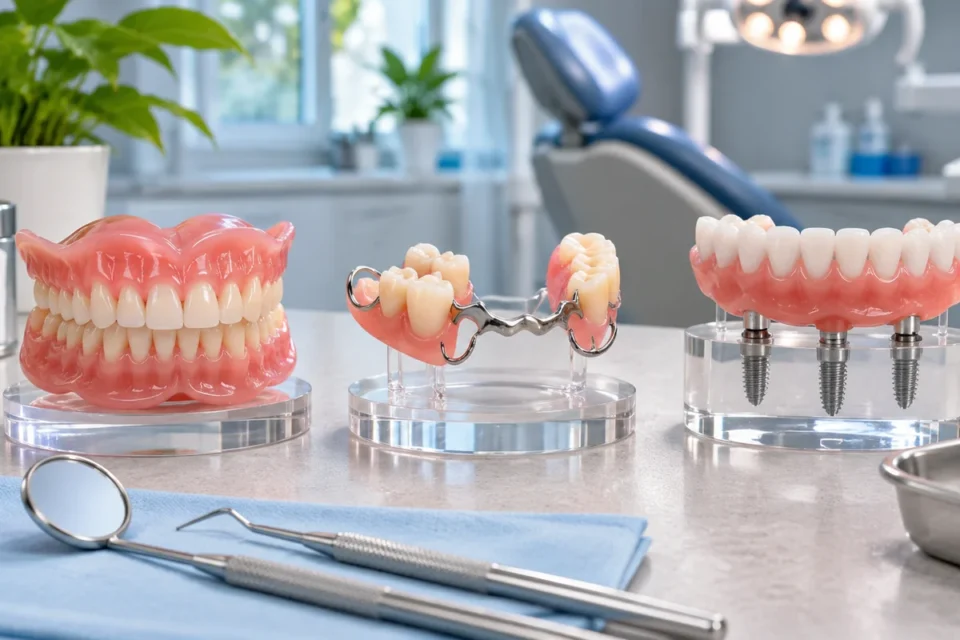
Do Implant-Supported Dentures Still Need Maintenance?
Yes.
This is another area where implant treatment gets oversold.
Implants improve stability.
They do not eliminate maintenance.
A recent 2026 systematic review of implant overdentures reported high short-term implant survival, but maintenance events were still common. Replacement of retention inserts and denture relining were among the more frequent issues.
Longer-term research also shows that implant overdentures can require maintenance of attachment components over time.
So do not interpret “implant-supported” to mean:
“I will never spend money on this again.”
You may eventually need:
- Attachment replacements
- Relining
- Repairs
- Hygiene maintenance
- Component tightening
- Replacement of worn denture teeth
- A new prosthesis
The implants themselves and the denture attached to them are different components.
Which Option Is Cheapest Over Ten Years?
There is no universal winner.
A conventional full denture has the lowest initial cost in many cases.
But if it needs repeated relines, repairs, or eventual replacement, the lifetime cost rises.
An implant-supported option costs much more initially.
But a patient may decide the stability and function justify the added investment even if it never becomes technically “cheaper.”
A partial can be extremely economical when several healthy teeth remain.
But if those supporting teeth fail, the treatment plan may change.
This is why we do not recommend choosing dentures solely from a price chart.
The health of the remaining mouth changes the math.
Does Dental Insurance Cover Dentures?
Many dental plans provide some benefit for dentures.
But “covered” does not mean fully paid.
Coverage may depend on:
- Deductibles
- Coinsurance
- Annual maximums
- Replacement-frequency limits
- Missing-tooth provisions
- Waiting periods
- Network status
- Whether implants are covered
- Whether an implant-supported option receives an alternative benefit
Delta Dental notes that denture costs and coverage vary according to the type of prosthesis and the member’s specific dental benefits.
Before treatment, ask for your estimated out-of-pocket cost, not simply whether dentures are covered.
How Should You Compare Denture Quotes?
Make sure the estimates include the same things.
Ask each office:
- Is this price for one arch or both?
- Is this full or partial?
- What material is being used?
- Are extractions included?
- Are temporary or immediate dentures included?
- How many adjustment visits are included?
- Are relines included?
- Does the implant quote include implant placement?
- How many implants are planned?
- Is the final prosthesis removable or fixed?
- Is bone grafting included?
- What does insurance appear to pay?
- What am I estimated to owe?
A $2,000 traditional denture and a $15,000 implant-supported restoration are not competing versions of the same product.
They solve the same broad problem missing teeth but at very different levels of stability, complexity, and investment.
The Cheapest Denture Can Become Expensive if You Cannot Wear It
This is worth saying plainly.
A denture sitting in a bathroom drawer has no value.
If a lower-cost denture moves constantly, creates repeated sore spots, or makes eating so difficult that you rarely wear it, the low initial price did not solve the problem.
On the other hand, paying $20,000 for implant treatment when a $2,000–$3,000 removable denture would have met your needs is not smart spending either.
Value depends on function.
Ask yourself:
What am I actually trying to fix?
If the answer is simply “I need teeth so I can smile and eat reasonably well,” a conventional denture may work.
If the answer is “I already have dentures and I cannot tolerate how much they move,” implant stabilization deserves a serious discussion.
Choose the Level of Denture You Actually Need
At Monahan Family & Cosmetic Dentistry, we provide dentures in Burlington, NC for patients with very different needs and budgets.
Some patients need a straightforward partial.
Some need complete upper or lower dentures.
Others already own dentures but want more stability through dental implants.
Dr. Thomas Monahan and our Burlington team can evaluate your remaining teeth, gums, jawbone, bite, and current dentures before recommending a treatment.
The goal is not to move every patient toward the most expensive option.
It is to answer four questions:
What can be saved?
What needs to be replaced?
How stable does the replacement need to be?
What will the complete treatment actually cost?
If you are comparing full dentures, partial dentures, or implant-supported dentures in Burlington, contact Monahan Family & Cosmetic Dentistry for an evaluation.
Bring your dental insurance information if you have coverage.
If you already wear dentures, bring them too.
We can explain what is working, what is not, and whether adjustment, replacement, or implant stabilization makes financial sense.
You should know the full cost before choosing the level of treatment.
Frequently Asked Questions About Denture Costs in Burlington
How much does a full denture cost in Burlington, NC?
Monahan’s current 2026 Burlington guide places a full denture at approximately $1,000–$4,000+ per arch.
The final fee depends on materials, complexity, fit requirements, and other treatment such as extractions.
How much does a partial denture cost?
Monahan has published a broad planning range around $700–$2,500 for partial dentures.
Material and design can substantially affect the cost.
How much are implant-supported dentures in Burlington?
Monahan has published a broad range around $4,000–$30,000, depending on the number of implants and treatment design.
Complex full-arch treatment can exceed simple implant stabilization, so ask for a complete individualized estimate.
Why are implant dentures more expensive?
The treatment may include surgical planning, several dental implants, implant surgery, attachments or abutments, temporary teeth, and a final prosthesis.
You are paying for both the implant foundation and the teeth attached to it.
Are implant-supported dentures removable?
Some are.
Implant overdentures can be designed to snap onto implants while still being removable for cleaning. Other full-arch implant restorations can be fixed.
Ask which type is included in your estimate.
Are partial dentures cheaper than implants?
Usually, upfront.
One partial denture can replace several teeth without placing an implant at every missing site.
However, implants offer different advantages, including fixed or improved support and independence from some removable-denture limitations.
How long do dentures last?
There is no fixed expiration date.
The American College of Prosthodontists recommends evaluating removable dentures for replacement after more than five years and notes that many need remaking when fit deteriorates over roughly five to ten years.
Do dentures need to be replaced when they become loose?
Not always immediately.
Some dentures can be adjusted or relined.
If the prosthesis is worn, damaged, unstable, or no longer matches the tissues adequately, replacement may be more appropriate.
Are dentures covered by insurance?
Many dental plans provide denture benefits, but coverage varies.
Deductibles, annual maximums, replacement limitations, and implant exclusions can affect your cost.
Ask for an individualized benefit estimate.
What is the best denture for the money?
There is no universal answer.
For someone seeking the lowest upfront cost, a conventional removable denture may be appropriate.
For someone with several healthy natural teeth, a partial may provide better value.
For a patient frustrated by severe denture movement, implant-supported treatment may justify its substantially higher price.
The best value is the least expensive treatment that predictably provides the function, comfort, and stability you actually need.