
Modern dental cleanings do more than polish the visible surfaces of your teeth. They help remove deposits that brushing cannot eliminate, give the dental team an opportunity to evaluate changes in your mouth, and support the long-term health of your teeth and gums.
Although daily brushing and flossing remain essential, certain areas are difficult to clean thoroughly at home. Plaque can collect around the gumline, between teeth, and near dental restorations. When plaque hardens into tartar, it usually requires professional instruments to remove safely.
A cleaning appointment is therefore not simply a cosmetic visit. It is part of an ongoing preventive care plan designed to reduce oral health risks and identify concerns before they become more complicated.
Patients who want to understand what may be included during an appointment can learn more about our professional teeth cleaning services.
What Makes a Modern Dental Cleaning Different?
Dental cleanings have changed significantly as instruments, diagnostic methods, and preventive strategies have improved. While the basic purpose remains the same, modern appointments are often more thorough, personalized, and focused on the patient’s overall oral health.
A cleaning may include:
- Reviewing changes in the teeth, gums, and surrounding tissues
- Measuring or evaluating gum health
- Removing plaque and hardened tartar
- Cleaning around crowns, fillings, bridges, or other restorations
- Polishing surface stains
- Discussing brushing, flossing, and home-care habits
- Identifying areas that may require closer monitoring
The exact process varies from one person to another. Someone with healthy gums and limited buildup may need a straightforward preventive cleaning. A patient with signs of gum disease, deeper periodontal pockets, or heavier deposits may need a different type of care.
This personalized approach helps ensure that the cleaning matches the condition of the patient’s mouth rather than following the same routine for everyone.
Why Can’t Brushing Remove All Plaque and Tartar?
Brushing removes a significant amount of food debris and plaque, but toothbrush bristles cannot reach every surface equally well. Plaque often remains in narrow spaces between teeth, along the gumline, behind the lower front teeth, and around dental work.
If plaque is not removed, minerals in saliva can cause it to harden. This hardened deposit is known as tartar or dental calculus. Once tartar forms, brushing harder will not remove it and may irritate the gums.
Dental professionals use specialized instruments to remove these deposits without damaging the teeth. Removing tartar can help reduce areas where bacteria collect and make it easier for patients to maintain their mouths between appointments.
The goal is not to replace brushing and flossing. Instead, professional care works alongside daily hygiene to address the areas that home care may miss.
What Tools May Be Used During a Dental Cleaning?
The instruments used during a cleaning depend on the amount and location of buildup, the condition of the gums, and the patient’s comfort needs.
Hand Scalers
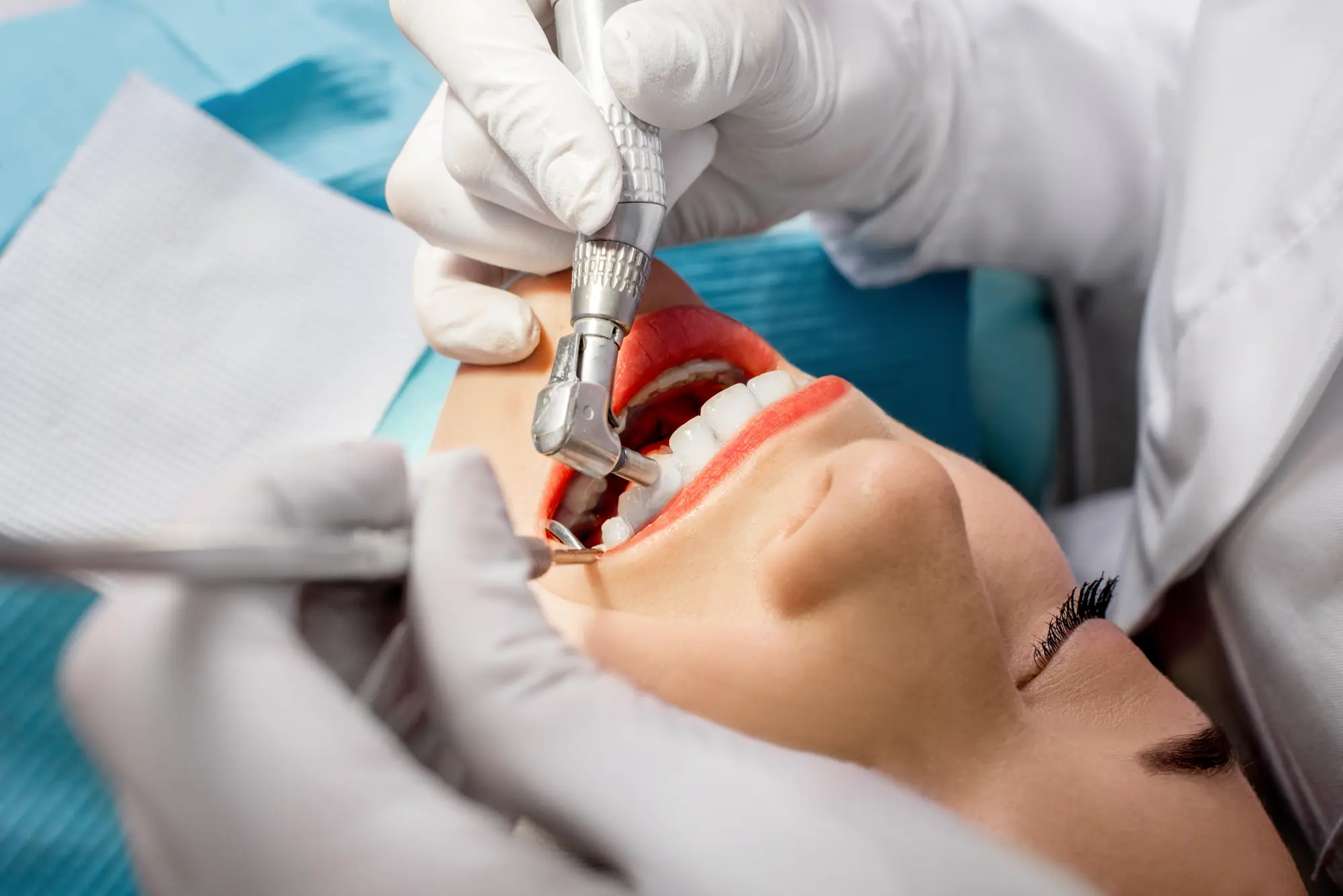
Hand scalers are carefully shaped instruments used to remove plaque and tartar from specific areas of a tooth. They allow the hygienist to feel small deposits and work around tight spaces with precision.
Ultrasonic Scalers
Ultrasonic instruments use rapid vibrations and a stream of water to loosen hardened deposits. They can be especially useful when removing larger areas of buildup.
The water also helps rinse away debris and keep the instrument cool. Patients may hear a humming sound or feel light vibrations during this part of the cleaning.
Polishing Instruments
After plaque and tartar have been removed, the teeth may be polished with a soft rubber cup and polishing paste. Polishing can help remove some surface stains and leave the teeth feeling smoother.
Polishing does not change the natural color of the teeth in the same way that whitening treatment does. Its primary purpose is to remove external residue and smooth the tooth surface.
Dental Floss and Interdental Tools
Floss may be used to clean between the teeth and check areas where contacts are tight. Depending on the patient’s needs, the dental team may also recommend interdental brushes, floss threaders, or water-flossing devices for home care.
How Do Dental Cleanings Help Protect Gum Health?
The gumline is one of the most important areas addressed during a professional cleaning. Plaque that remains near the gums can cause inflammation, tenderness, redness, or bleeding.
Early gum inflammation is commonly referred to as gingivitis. At this stage, improving plaque control and receiving appropriate professional care may help the gums return to a healthier condition.
When inflammation progresses, the tissues and bone that support the teeth may become affected. This more advanced condition requires periodontal evaluation and may need treatment beyond a standard preventive cleaning.
Regular evaluations allow the dental team to watch for changes such as:
- Bleeding during brushing or flossing
- Persistent gum swelling
- Gum recession
- Changes in periodontal pocket depth
- Loose teeth
- Ongoing bad breath
- Accumulation of tartar below the gumline
A cleaning appointment gives the team an opportunity to identify these signs and determine whether additional assessment is appropriate.
Can a Cleaning Reveal Other Oral Health Concerns?
A dental cleaning is often accompanied by a visual examination of the mouth. During this process, the dental team may notice changes that are not causing pain or obvious symptoms.
These may include:
- Areas of enamel wear
- Chipped or cracked restorations
- Early signs of tooth decay
- Gum recession
- Dry mouth
- Changes in the bite
- Tooth sensitivity
- Oral sores or tissue changes
- Heavy plaque accumulation in specific areas
Finding a concern does not automatically mean extensive treatment is necessary. In some cases, the area may simply need to be monitored. In others, early treatment may help prevent the problem from becoming larger or more difficult to manage.
This is one reason preventive appointments remain important even when the teeth feel normal.
Why Are Dental Cleanings Becoming More Personalized?
Not every patient has the same oral health risks. Age, medications, medical conditions, tobacco use, diet, dental restorations, orthodontic appliances, and home-care habits can all influence the type of care a patient needs.
For example, a patient with dry mouth may develop plaque or cavities more easily because saliva plays an important role in protecting the teeth. Someone with crowded teeth may have more difficulty cleaning between certain areas. A patient with implants, bridges, or braces may need specialized instructions and cleaning tools.
A personalized appointment may include recommendations about:
- Toothbrush type and brushing technique
- Flossing methods
- Interdental cleaning tools
- Fluoride products
- Managing sensitivity
- Cleaning around restorations
- Reducing plaque buildup between visits
- Improving care around the gumline
These recommendations should be based on the patient’s actual needs rather than general advice alone.
Do Dental Cleanings Improve Overall Health?
Oral health is closely connected to a person’s comfort, nutrition, speech, and quality of life. Healthy teeth and gums make it easier to eat a varied diet, speak comfortably, and maintain confidence in everyday situations.
Research continues to examine relationships between oral inflammation and broader health conditions. However, a dental cleaning should not be presented as a treatment for medical conditions elsewhere in the body.
Its clearest benefits are within the mouth. Professional cleanings help control plaque and tartar, support gum health, reduce certain oral health risks, and give dental professionals an opportunity to recognize changes that may require attention.
Patients with medical conditions should continue following the advice of their physicians while also keeping their dental team informed about medications, diagnoses, and changes in health.
How Often Should Someone Have a Dental Cleaning?
There is no single schedule that is appropriate for every patient. Many people receive preventive cleanings at regular intervals, but the recommended timing depends on oral health, gum condition, buildup, medical history, and risk factors.
A person with stable oral health may need a different schedule from someone with periodontal disease, frequent cavities, dry mouth, braces, or heavy tartar accumulation.
The dental team may recommend more frequent visits when closer monitoring or additional plaque control is needed. The appropriate interval should be determined after evaluating the patient’s teeth and gums.
Supporting Your Oral Health Between Appointments
Professional care is most effective when it is supported by consistent habits at home. Brushing twice a day with fluoride toothpaste and cleaning between the teeth daily can help control plaque before it hardens.
Patients should also pay attention to changes such as bleeding gums, persistent sensitivity, swelling, tooth pain, loose dental work, or sores that do not heal. These symptoms should not be ignored until the next routine appointment.
A modern dental cleaning is not simply about making teeth look polished. It is an opportunity to remove stubborn buildup, evaluate gum health, improve home-care techniques, and monitor changes that may affect the mouth over time.
To learn what happens during an appointment or determine which type of preventive care may be appropriate, explore our teeth cleaning services in Burlington or contact Monahan Family & Cosmetic Dentistry.