
Teeth whitening used to be simple.
You went to the dentist. Maybe you bought whitening trays. Maybe you used a basic over-the-counter strip. End of story.
Now? Open TikTok for five minutes and you’ll see:
- Charcoal powders promising instant brightness
- Lemon and baking soda “natural” whitening hacks
- Purple toothpaste that claims to neutralize yellow
- Hydrogen peroxide rinses done at home
- Influencers brushing with things that absolutely should not be in your mouth
The promise is always the same: whiter teeth, fast, cheap, and without a dentist.
But here’s the honest truth: not everything that trends is safe. And not everything that’s “natural” is gentle.
Let’s separate marketing from biology and talk about what actually happens to your enamel, your gums, and your long-term oral health.
Is Charcoal Toothpaste Actually Safe For Daily Use On Enamel And Gums?
Charcoal toothpaste exploded in popularity because it looks dramatic. Black paste turning into white foam feels like it’s doing something powerful.
But here’s what matters: how it interacts with enamel.
Charcoal is abrasive. That’s how it “whitens.” It scrubs away surface stains. On the surface, that sounds fine. The problem is that enamel does not regenerate.
Daily abrasion can:
- Gradually thin enamel
- Increase tooth sensitivity
- Expose the yellow dentin underneath
- Irritate gum tissue
Once enamel is worn down, it does not grow back.
Some charcoal toothpastes are more abrasive than others. The issue is that many products don’t clearly state their relative dentin abrasivity (RDA) levels, which makes it hard for consumers to know what they’re using.
There’s also another misconception. Charcoal does not chemically whiten teeth. It removes surface stains. That’s very different from altering the intrinsic color of the tooth.
Used occasionally, a low-abrasion charcoal product may not cause immediate harm. Used aggressively every day? That’s where long-term damage becomes possible.
If your teeth are feeling more sensitive after switching to charcoal, that’s not your imagination.
Do Whitening Strips Cause Permanent Damage To Teeth Or Sensitivity Over Time?
Whitening strips are one of the most common at-home whitening products. Unlike charcoal, they use peroxide-based ingredients to penetrate enamel and break apart stain molecules.
That’s real chemistry.
So are they dangerous?
When used as directed, most whitening strips are considered safe for short-term use. However, overuse is where problems begin.
Common side effects include:
- Temporary tooth sensitivity
- Gum irritation
- Mild enamel dehydration
Sensitivity happens because peroxide temporarily opens microscopic pores in enamel, exposing nerve endings slightly.
For most people, this sensitivity fades after treatment stops.
But problems can occur if:
- You use strips more frequently than recommended
- You stack multiple whitening products at once
- You continue using them despite ongoing discomfort
Permanent damage is rare when instructions are followed. The issue isn’t the product itself. It’s how aggressively it’s used.
Think of whitening strips like caffeine. A reasonable amount is fine. Too much, too often? You feel it.
If your teeth sting when you drink cold water days after whitening, that’s a sign to pause.
Are Viral TikTok Teeth Whitening Hacks Backed By Dental Research?
Short answer: most are not.
Let’s talk about some of the more common viral hacks:
- Brushing with lemon juice and baking soda
- Swishing hydrogen peroxide without dilution
- Using nail files on teeth
- Applying activated charcoal powder directly
- Using purple shampoo-like toning pastes
The problem with many of these hacks is that they confuse immediate visual effect with actual health.
For example:
Lemon juice is acidic. Acid erodes enamel. Baking soda is abrasive. Combined, they can strip enamel quickly.
Yes, your teeth may look “brighter” temporarily because surface stains are removed and enamel is thinned. But thinning enamel exposes dentin, which is naturally more yellow. Over time, teeth may actually look darker.
Undiluted hydrogen peroxide can irritate soft tissues and cause chemical burns if misused.
And filing teeth? That permanently removes enamel. That is not reversible.
The issue with viral content is that it prioritizes dramatic results over long-term consequences. A 30-second video does not show what happens six months later.
Dental research is built on controlled studies, long-term data, and biological understanding. Most viral hacks are built on views.
If a trend feels extreme, it probably is.
Can Overusing Whitening Products Lead to Long Term Enamel Erosion?
Yes. Overuse is where risk escalates.
Enamel is strong, but it is not indestructible. It does not regenerate. Once it’s gone, it’s gone.
Overusing whitening products can contribute to:
- Chronic sensitivity
- Enamel thinning
- Gum recession from irritation
- Increased cavity risk
This often happens when people:
- Combine charcoal and whitening strips
- Whiten monthly instead of periodically
- Use multiple peroxide-based products simultaneously
- Ignore signs of discomfort
There’s also a psychological element. When people start whitening, they often become hyper-aware of shade. That can lead to repeated treatments chasing a brighter result.
Teeth are not supposed to be paper white. Natural enamel has subtle variation. Over-whitening can create a translucent look that actually makes teeth appear grayish.
Healthy enamel reflects light in a specific way. When it becomes too thin, that reflection changes.
Whitening should enhance, not compromise.
The Real Difference Between Surface Stains and True Discoloration
Here’s something that rarely gets explained online.
There are two main types of discoloration:
- Extrinsic stains (on the surface)
- Intrinsic stains (within the tooth structure)
Charcoal and abrasive products mainly address extrinsic stains.
Peroxide-based whitening penetrates deeper to address intrinsic discoloration.
But neither changes your natural enamel thickness.
When influencers claim “three shades whiter in one day,” they’re usually referring to surface brightness or lighting adjustments.
Real whitening is gradual and controlled.
Sensitivity is Not Just in Your Head
One of the most common complaints after whitening is sensitivity.
You might feel:
- Zinging pain with cold drinks
- Sharp discomfort when breathing in cool air
- Lingering ache after whitening sessions
That sensitivity happens because enamel temporarily becomes more porous during whitening. If overused, that porosity can increase vulnerability.
Desensitizing toothpaste, fluoride treatments, and spacing out whitening sessions can help.
But the bigger lesson is this: discomfort is a signal. Ignoring it doesn’t make it disappear.
Why Professional Whitening is Different
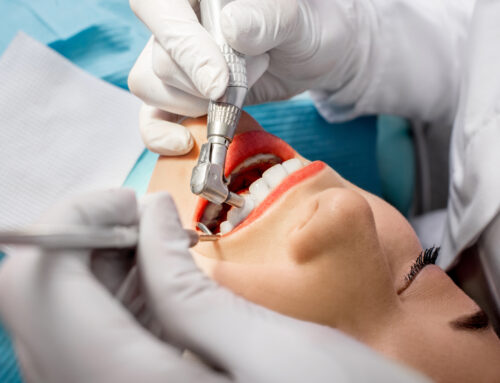
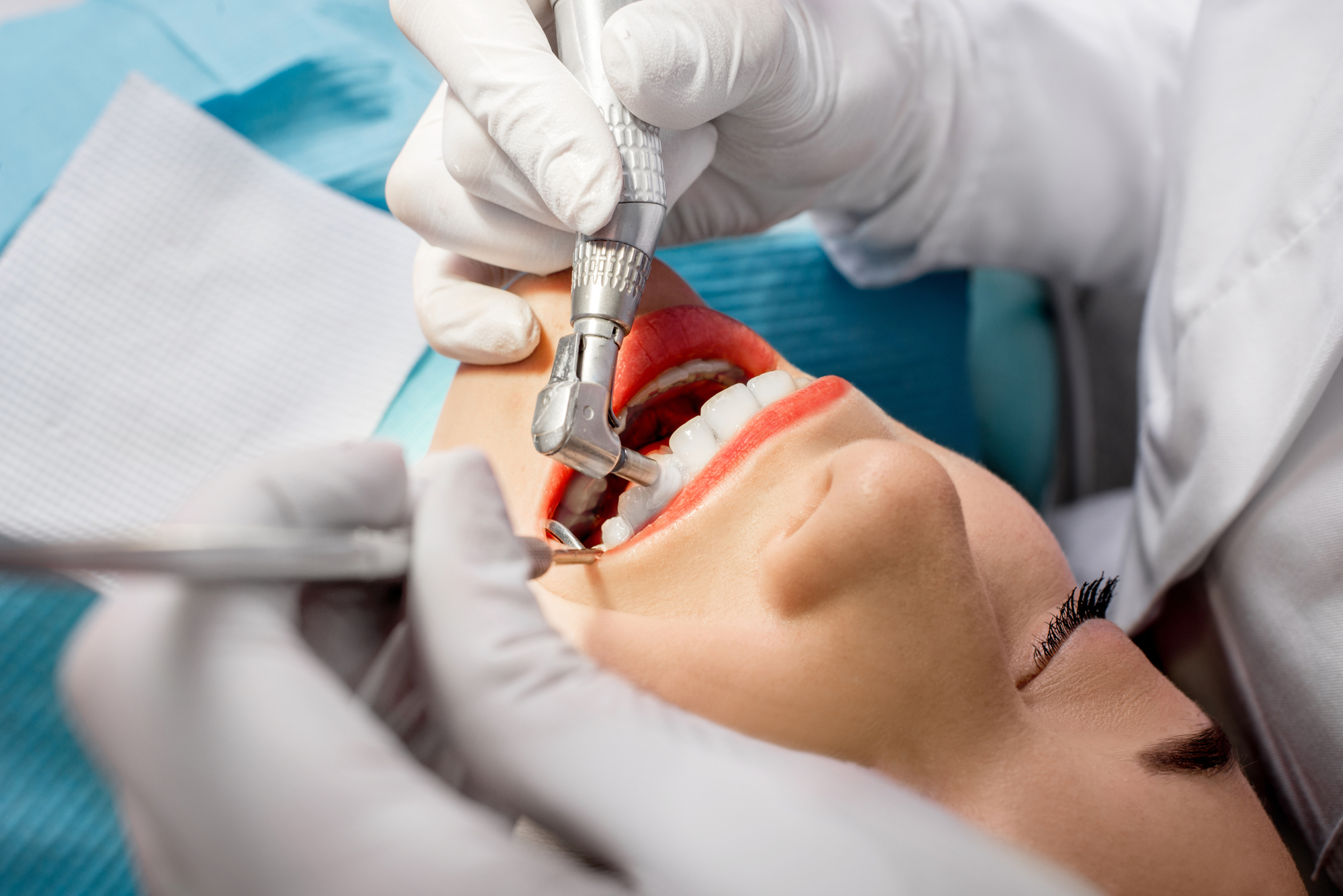
Professional whitening differs in a few key ways:
- It uses controlled concentrations
- Gums are protected during treatment
- Dentists evaluate enamel health first
- Sensitivity is monitored
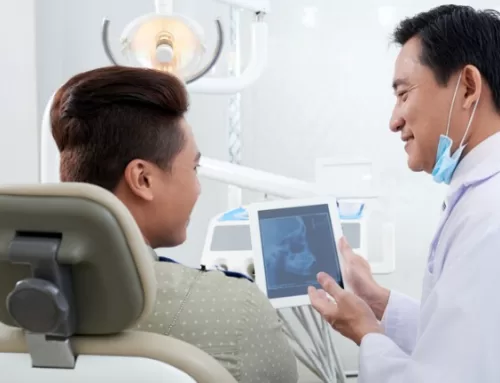
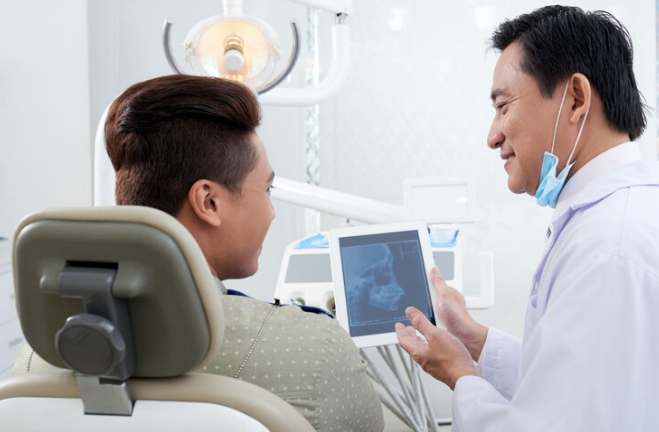
Dentists assess whether you’re a good candidate before treatment. Not all discoloration responds to whitening. Some cases may require veneers or bonding instead.
Professional guidance reduces the risk of overuse and helps set realistic expectations.
It’s not about upselling. It’s about protecting enamel while achieving results.
The Bigger Picture: Trends Change, Enamel Doesn’t
TikTok trends move fast. Your teeth are with you for life.
Enamel is the hardest substance in your body. But once damaged, it cannot regenerate naturally.
Whitening should be:
- Safe
- Controlled
- Occasional
- Supervised when possible
If a product promises instant transformation, ask yourself what trade-off might be happening.
A healthy smile is not just about brightness. It’s about:
- Strong enamel
- Healthy gums
- Long-term function
Whitening should enhance confidence, not create new dental problems.
Let’s Brighten Smiles The Right Way at Monahan Family & Cosmetic Dentistry
If you’re curious about whitening but unsure which products are safe, we’re here to help you make informed decisions.
At Monahan Family & Cosmetic Dentistry , we evaluate your enamel health, discuss realistic whitening options, and design treatment plans that protect your smile while enhancing its natural brightness.
Skip the risky hacks. Protect your enamel. Schedule your whitening consultation with us and let’s create a confident, healthy smile the right way.