
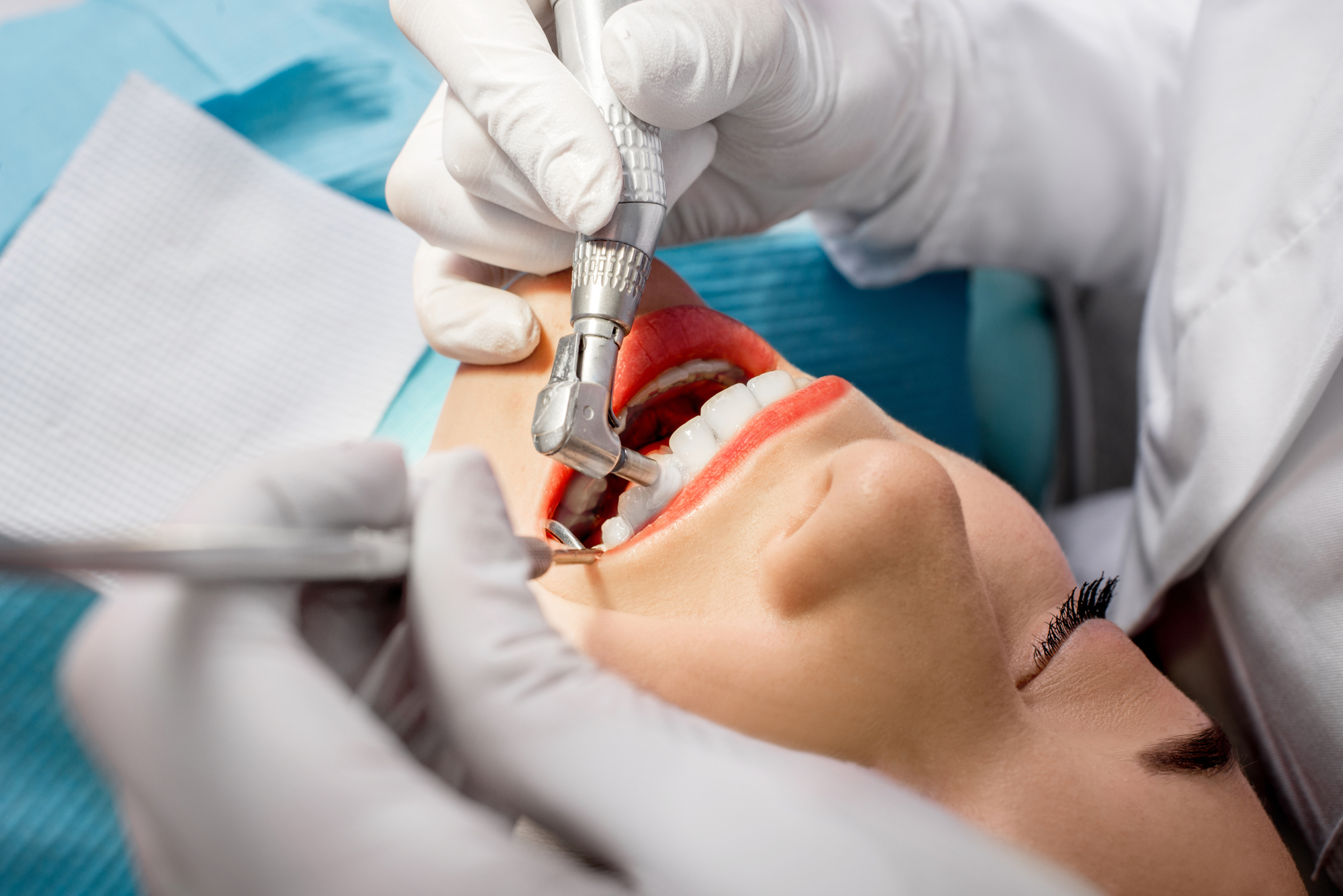
A dental cleaning does more than remove plaque and polish your teeth. It also gives your dental team an opportunity to examine your gums, enamel, existing restorations, bite, and other areas that may show early signs of oral health problems.
Many dental concerns develop quietly. Gum disease, small cavities, worn fillings, and enamel damage may not cause noticeable discomfort in their early stages. By the time pain appears, the condition may require more extensive treatment.
During a routine visit, a dentist and dental hygienist can look for subtle changes that are difficult to recognize at home. Understanding what they evaluate can help explain why preventive appointments remain important even when your mouth feels normal.
How Can a Dental Cleaning Reveal Early Gum Problems?
Early gum disease often develops without pain. A person may notice occasional bleeding while brushing or flossing, but it is easy to dismiss this as normal or temporary.
During a cleaning, the hygienist can evaluate the condition of the gums and look for warning signs such as:
- Redness or swelling
- Bleeding during gentle probing
- Tender gum tissue
- Plaque near the gumline
- Hardened tartar below the gums
- Changes in the spaces between the teeth and gums
- Early gum recession
Healthy gums generally fit closely around the teeth. When inflammation develops, the gums may begin pulling away and creating deeper spaces where bacteria can collect.
Your dental team may measure these spaces with a periodontal probe. These measurements help determine whether the gums are healthy or whether signs of gingivitis or periodontal disease are present.
Gingivitis can often be improved when it is identified early. Regular brushing, daily flossing, professional plaque removal, and follow-up care may help prevent the inflammation from progressing.
More advanced gum disease can affect the tissues and bone supporting the teeth. Detecting changes early gives the dentist an opportunity to recommend appropriate care before significant damage occurs.
What Dental Problems May Be Found During a Routine Cleaning?
The cleaning itself focuses on removing plaque, tartar, and surface stains. However, the examination performed during the same appointment may reveal other concerns that have not yet caused symptoms.
Small Cavities
Early tooth decay may develop without creating a visible hole or toothache. A dentist may notice changes in the enamel, including discoloration, soft areas, or suspicious grooves.
Dental X-rays may also reveal decay between teeth where it cannot easily be seen during a visual examination.
Finding a small cavity early may allow it to be treated with a relatively simple filling. When decay continues spreading, it can reach deeper layers of the tooth and eventually affect the nerve.
Cracks and Stress Fractures
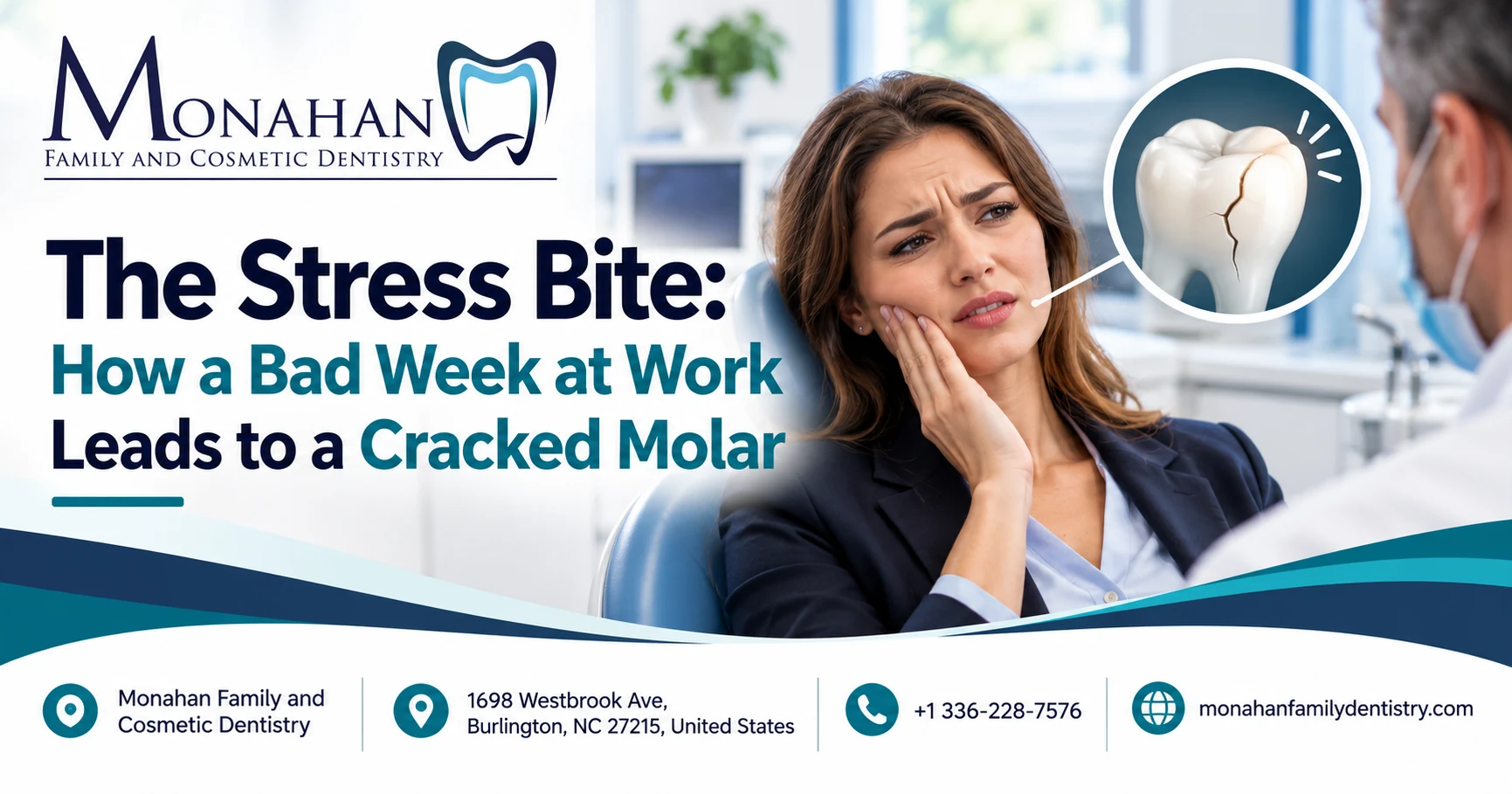
Teeth are exposed to pressure every day from chewing, clenching, grinding, and biting hard foods. Small cracks may form gradually and may not initially cause consistent pain.
A dentist may identify:
- Fine lines in the enamel
- Worn biting surfaces
- A damaged cusp
- Sensitivity during examination
- Changes around an older filling
- Uneven pressure across the bite
Not every enamel line requires treatment. However, a crack that weakens the tooth may need to be monitored or restored before a larger portion breaks away.
Worn or Aging Dental Work
Fillings, crowns, bridges, and other restorations are designed to withstand normal use, but they do not always last forever.
During a dental visit, the dentist may check for:
- Cracked fillings
- Loose crowns
- Worn restoration edges
- Gaps where bacteria may enter
- Decay forming around an existing restoration
- Changes in the bite
- Chipping or surface damage
Problems around dental work may be difficult to detect at home. A restoration can appear intact while its edges are beginning to weaken.
Identifying deterioration early may allow the dentist to repair or replace the restoration before the underlying tooth becomes seriously damaged.
Evidence of Clenching or Grinding
People do not always realize they grind their teeth, especially when it happens during sleep. A routine examination may reveal physical evidence of repeated pressure.
Possible signs include:
- Flattened tooth surfaces
- Small enamel chips
- Cracks near the edges of teeth
- Increased tooth sensitivity
- Jaw muscle tenderness
- Uneven wear
- Changes in the way the teeth meet
Teeth grinding can contribute to enamel loss and place stress on restorations. It may also be associated with morning jaw discomfort, tension headaches, or facial soreness.
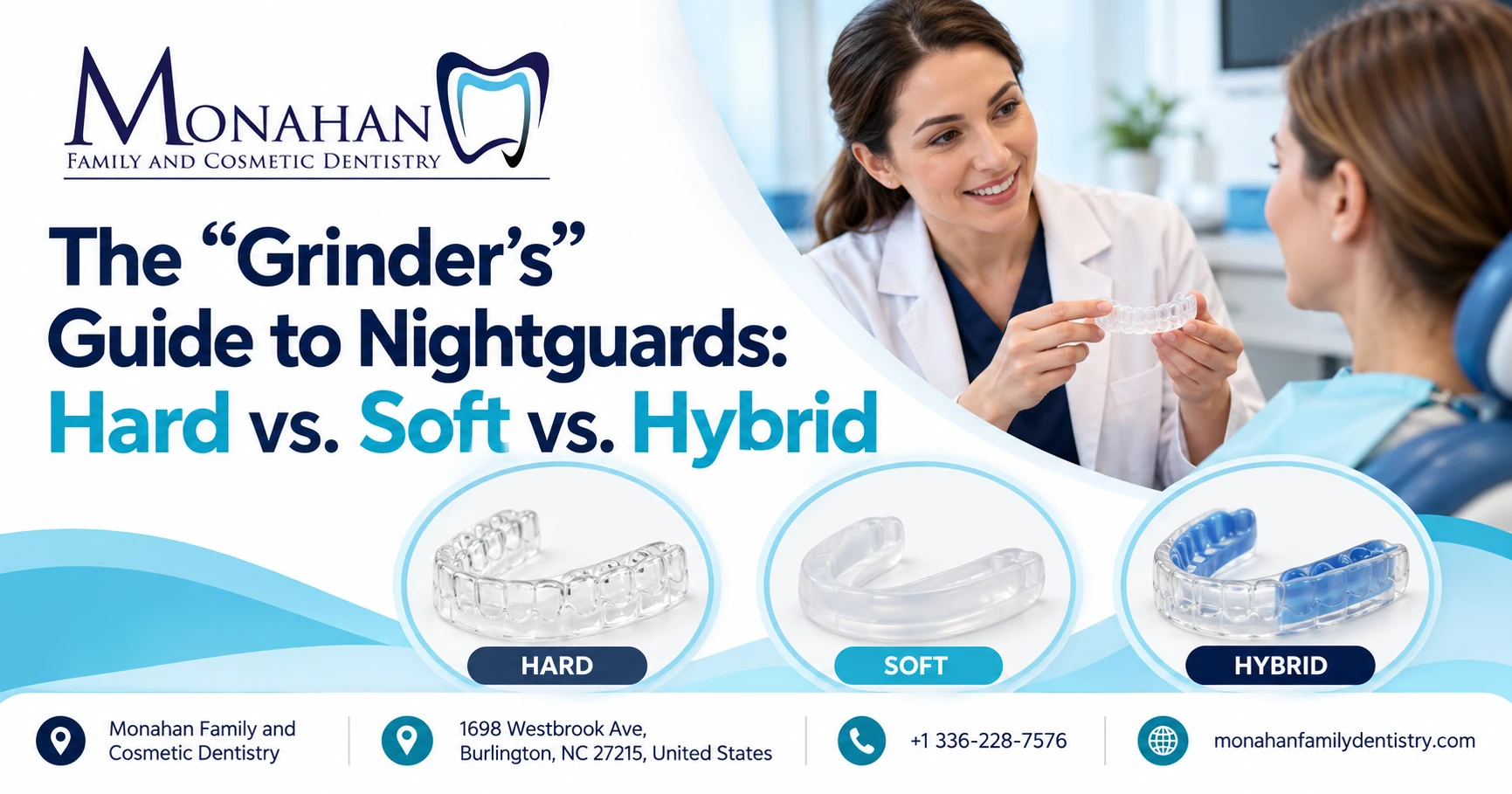
When wear patterns are present, the dentist may ask about symptoms and recommend ways to protect the teeth.
Changes in Soft Tissues
Dentists also examine areas beyond the teeth. The tongue, cheeks, lips, gums, palate, and other oral tissues can show changes that deserve attention.
The examination may include checking for:
- Sores that are not healing
- Unusual red or white areas
- Persistent irritation
- Lumps or thickened tissue
- Changes in texture
- Unexplained swelling
Most oral changes are not cancerous. However, persistent or unusual areas should be evaluated rather than ignored.
Routine visits give the dental team repeated opportunities to notice changes that a patient may not see or feel.
Why Are Cleanings Important When Your Teeth Feel Fine?
The absence of pain does not always mean the absence of disease. Many oral health conditions are easiest to manage before they begin causing discomfort.
Tooth decay may remain painless until it approaches the tooth’s inner nerve. Gum disease can progress while producing only mild bleeding or bad breath. Cracks and failing restorations may remain unnoticed until part of a tooth breaks.
Preventive appointments are useful because they establish a record of your oral health over time. Instead of looking at one isolated visit, the dental team can compare current findings with previous examinations, measurements, and X-rays.
This makes it easier to notice gradual changes such as:
- Increasing gum-pocket depth
- New areas of recession
- Enamel wear
- Shifting teeth
- Developing decay
- Changes around crowns or fillings
- Bone loss visible on X-rays
Regular monitoring does not guarantee that every dental problem can be prevented. It does, however, improve the chance of finding concerns while treatment options are still more conservative.
For more information about what happens during an appointment, visit our page about routine teeth cleaning and preventive care.
What Does Plaque and Tartar Buildup Reveal?
Plaque is a soft film of bacteria that continually develops on the teeth. Brushing and flossing remove much of it, but areas that are difficult to reach may retain buildup.
When plaque remains on the teeth, minerals in saliva can cause it to harden into tartar. Once tartar forms, it cannot usually be removed with ordinary brushing.
The location and amount of buildup can tell the dental team where a patient may be having difficulty cleaning effectively.
Areas That Are Commonly Missed
Plaque and tartar often collect:
- Behind the lower front teeth
- Along the gumline
- Between crowded teeth
- Around dental bridges
- Near crowns and fillings
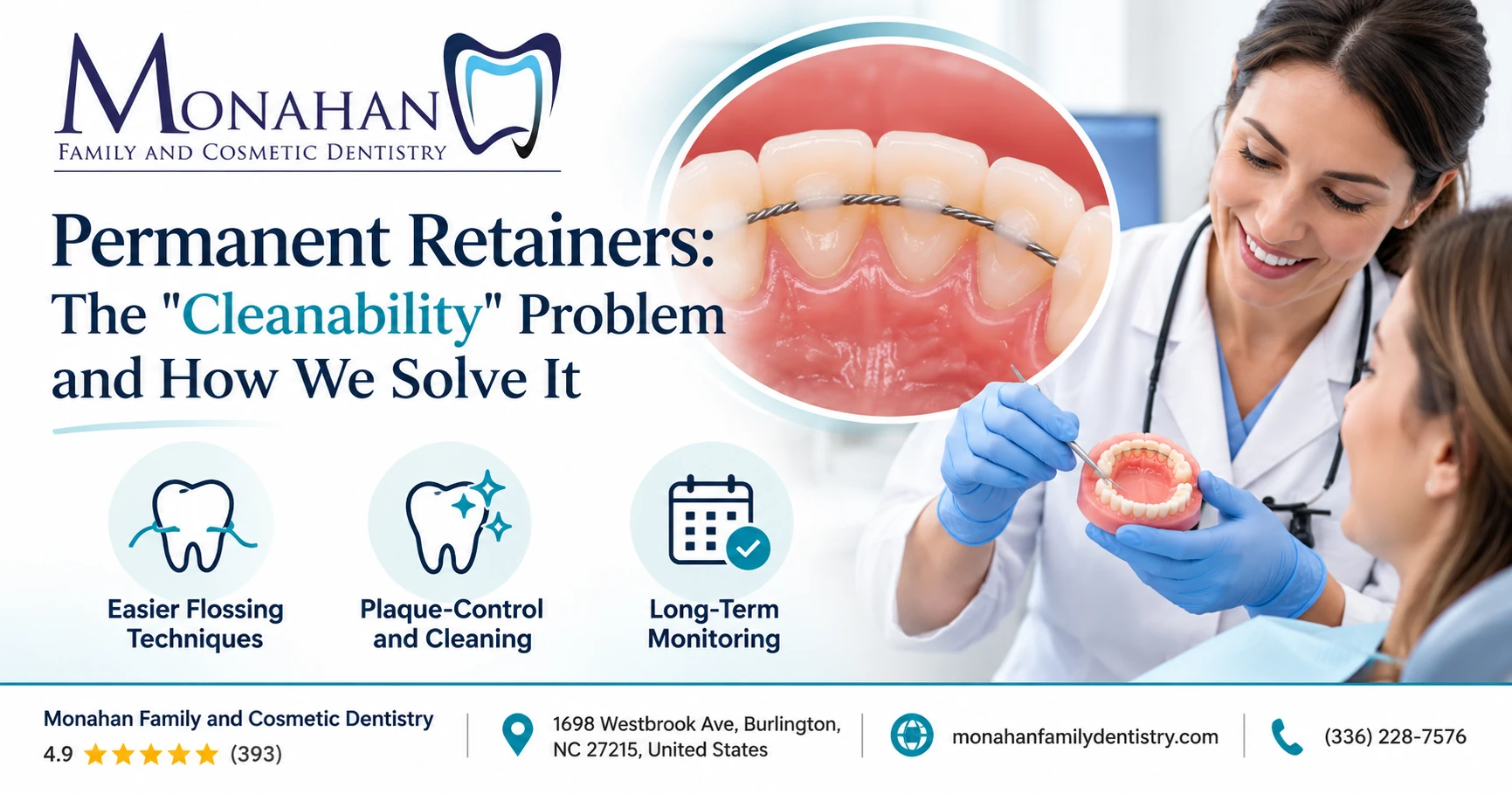
- Around orthodontic appliances
- Behind the back molars
A hygienist may point out these areas and recommend adjustments to brushing or flossing technique.
This is not simply about having cleaner-looking teeth. Persistent bacterial buildup near the gums can contribute to inflammation, bleeding, bad breath, and periodontal disease.
Oral Hygiene Patterns
The condition of the teeth and gums may reflect a person’s daily oral hygiene habits.
For example, heavy buildup in one part of the mouth may suggest that the area is being missed during brushing. Inflammation between the teeth may indicate that flossing or another form of interdental cleaning is needed.
The dental team can provide recommendations based on the patient’s specific needs rather than giving the same instructions to everyone.
Possible recommendations may include:
- Adjusting the angle of the toothbrush
- Using a soft-bristled electric toothbrush
- Cleaning between the teeth more consistently
- Trying interdental brushes
- Using a floss threader around bridges
- Paying closer attention to the gumline
- Replacing a worn toothbrush head
Small improvements in daily cleaning can reduce the amount of plaque that remains between appointments.
Can a Cleaning Show Whether Your Home Care Is Working?
A dental cleaning provides useful feedback about how well a home-care routine is controlling plaque and gum inflammation.
Someone may brush twice a day but continue missing the same areas. Another person may floss regularly but use a technique that does not fully clean below the gumline.
During the appointment, the hygienist can identify where buildup remains and explain how to reach those areas more effectively.
Bleeding, plaque levels, gum measurements, and enamel condition can all help show whether the current routine is supporting oral health.
This feedback is especially helpful for people with:
- Crowded teeth
- Dental implants
- Bridges
- Braces or clear aligners
- Gum recession
- Dry mouth
- Limited hand mobility
- A history of periodontal disease
Home care should be personalized. The best method depends on the shape of the teeth, the condition of the gums, existing dental work, and other individual factors.
How Often Should Dental Cleanings Be Scheduled?
Many patients follow a six-month preventive schedule, but this interval is not appropriate for everyone.
A dentist may recommend more frequent visits for people with:
- A history of gum disease
- Rapid tartar accumulation
- Frequent cavities
- Certain dental restorations
- Dry mouth
- Orthodontic appliances
- Medical conditions that affect oral health
- Difficulty maintaining plaque control
Other patients may be able to follow a different schedule based on their oral health and risk factors.
The appropriate frequency should be determined by the dentist rather than chosen solely according to a standard calendar.
It is also important to distinguish a routine cleaning from periodontal maintenance or deep cleaning. These procedures serve different purposes and are recommended according to the condition of the gums and supporting tissues.
Why Are Preventive Visits More Than a Polishing Appointment?
The polished feeling after a cleaning is noticeable, but it is only one part of the appointment.
A preventive visit may also include:
- Reviewing changes in your health
- Discussing medications
- Checking gum measurements
- Evaluating tooth wear
- Examining existing restorations
- Looking for decay
- Reviewing dental X-rays when needed
- Screening oral tissues
- Discussing sensitivity or discomfort
- Identifying areas that need better home care
Together, these steps create a broader picture of oral health.
The goal is not simply to make the teeth look cleaner for a few days. It is to identify developing problems, reduce harmful buildup, and help patients maintain healthy teeth and gums over time.
Do Not Wait for a Toothache to Pay Attention
Pain is often a late warning sign. A tooth may already have significant decay, a deep crack, or an infection by the time it begins hurting consistently.
Routine examinations and cleanings allow concerns to be evaluated before they become emergencies. They also create an opportunity to ask questions about bleeding gums, sensitivity, changes in the bite, bad breath, or other symptoms that may seem minor.
If you are due for preventive care, you can learn more about Monahan Family and Cosmetic Dentistry’s teeth-cleaning services and what to expect during a visit.