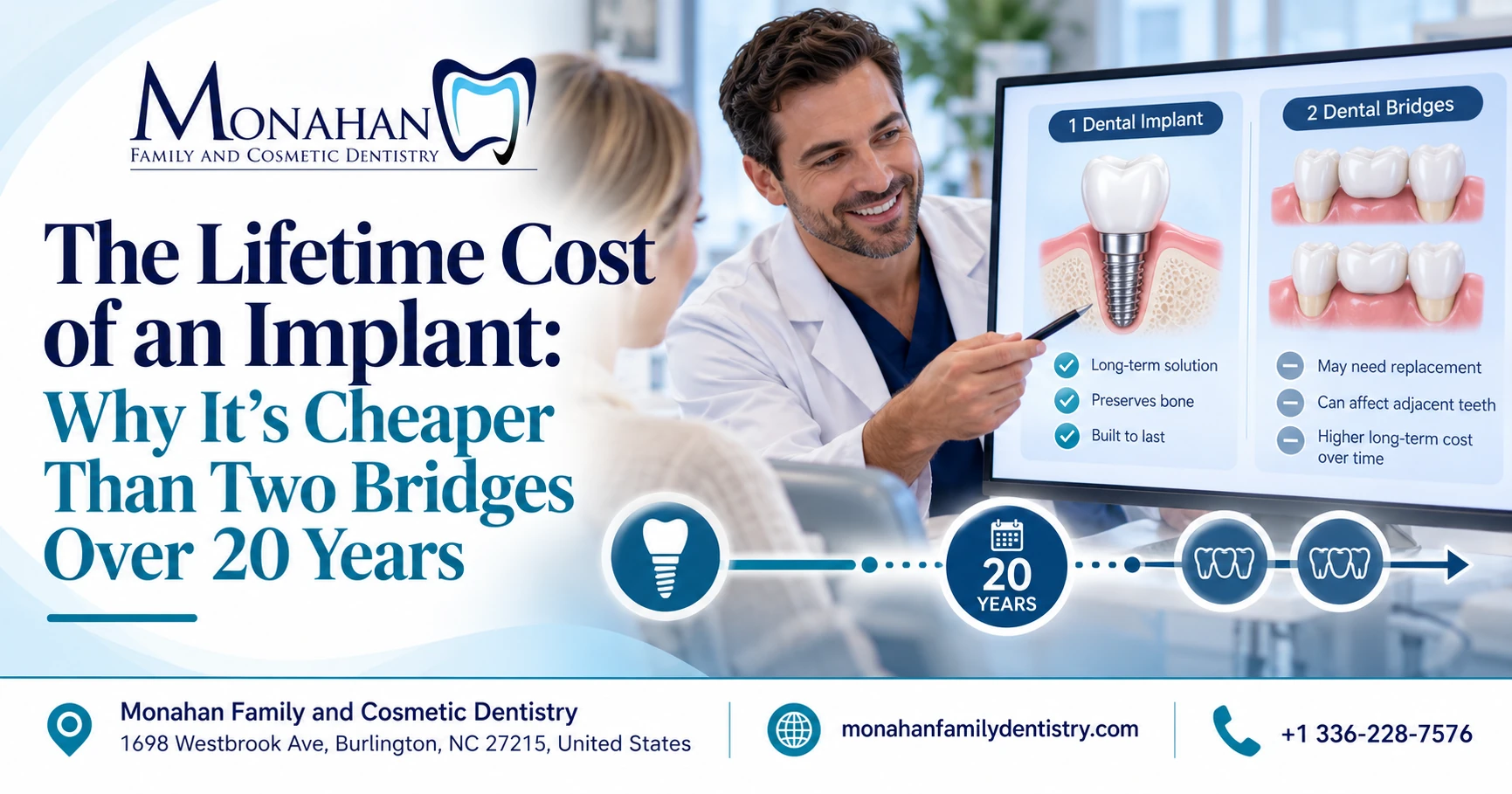

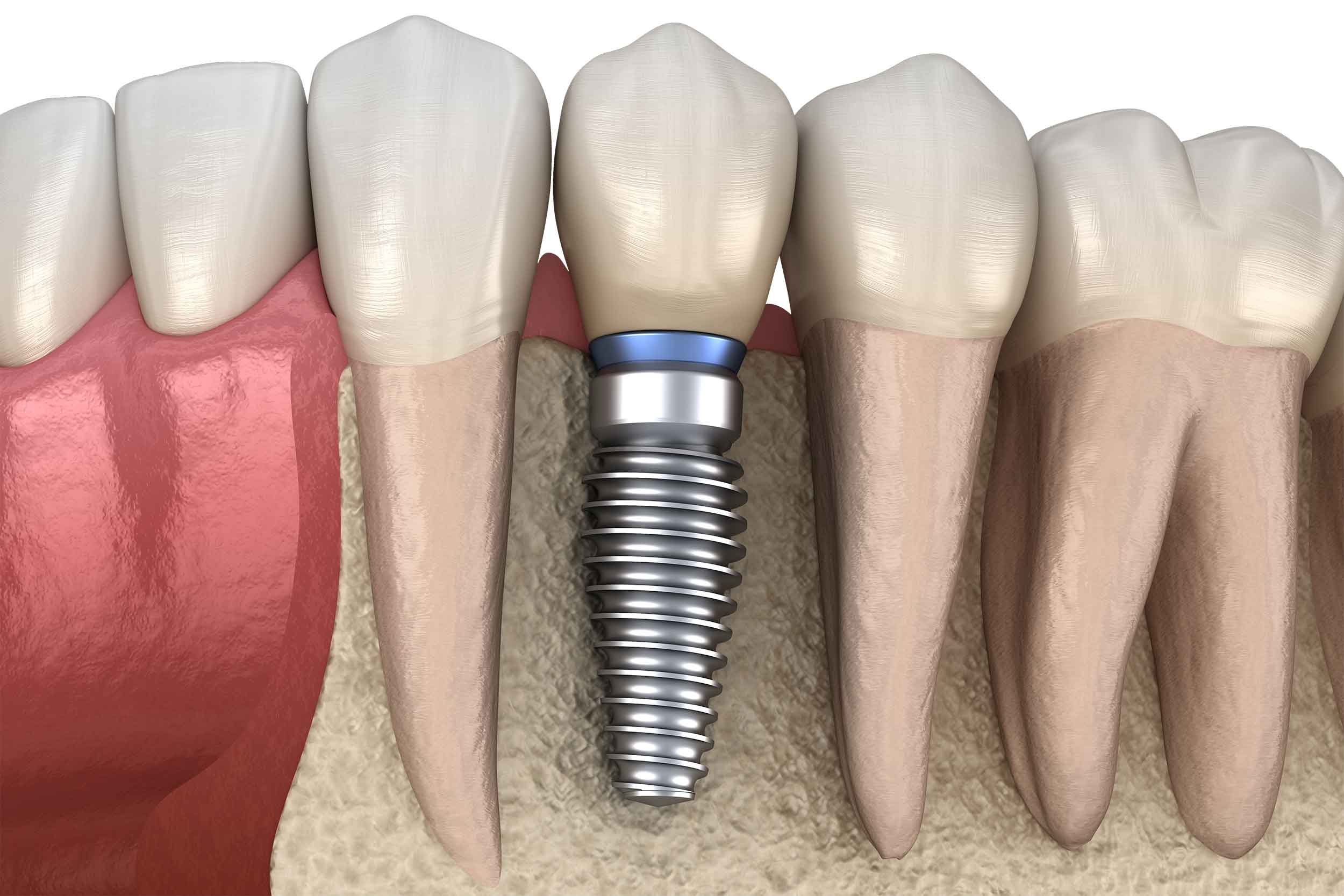
Dentures and dental implants can both replace missing teeth, but they differ in cost, stability, maintenance, treatment time, and long-term performance. Dentures are removable appliances that replace multiple missing teeth, while dental implants are surgically placed supports that can hold a crown, bridge, or implant-supported denture.
The right option depends on several factors, including your oral health, bone density, budget, lifestyle, and personal preferences. Understanding how each treatment works can help you prepare for a more productive conversation with your dentist.
How Long Do Dentures and Dental Implants Typically Last?
The lifespan of a tooth replacement depends on the materials used, daily care, oral health, and changes within the mouth. Dentures and dental implants have different maintenance requirements and may need different types of care over time.
What Factors Affect the Cost of Dentures and Dental Implants?
The cost of dentures and dental implants varies based on the type of restoration, number of missing teeth, materials, preparatory procedures, insurance coverage, and complexity of treatment. Instead of comparing only the initial price, patients should also consider maintenance, repairs, replacements, and long-term care.
Avoid presenting exact prices unless they have been reviewed and approved by the dental practice. Prices can become outdated and may create misleading expectations.
How Do Dentures and Dental Implants Compare for Comfort and Function?
Comfort and function can vary considerably from one person to another. Dental implants generally provide greater stability because they are supported by the jawbone, while dentures rest on the gums and may require an adjustment period. Proper fit, oral anatomy, and ongoing dental care can affect the experience with either option.
Does Age Affect the Choice Between Dentures and Dental Implants?
Age alone does not determine whether someone is better suited for dentures or dental implants. A dentist will usually consider general health, gum health, bone availability, medications, healing ability, daily maintenance, and personal treatment goals.
Dentures may be appropriate for adults who want a removable option, need to replace several teeth, or are not candidates for implant surgery. They can also be adjusted or replaced as the mouth changes.
Dental implants may be considered for healthy older adults who have sufficient bone support and can undergo oral surgery. Some patients may require additional procedures, such as bone grafting, before implant placement.
A personalized dental evaluation is necessary because two patients of the same age may have very different oral health conditions and treatment needs.
What Should You Consider Before Choosing an Option?
Dentures and dental implants each have potential advantages and limitations. The better choice depends on your oral health, expectations, budget, and willingness to complete the required treatment and maintenance.
When comparing your options, consider:
- How many teeth need to be replaced
- Whether you prefer a removable or fixed restoration
- Your current gum and jawbone health
- The expected treatment timeline
- Daily cleaning and maintenance requirements
- Future repair or replacement needs
- Your comfort with oral surgery
- Insurance coverage and available payment options
A dental examination can provide information that a general online comparison cannot. X-rays, medical history, oral health, and bone structure may all influence which treatments are available.
Where Can You Learn More About Tooth Replacement Treatments?
Learning about the general differences between dentures and implants is a useful starting point, but treatment recommendations should be based on an individual dental evaluation.
Readers who want more information about removable tooth replacement can explore our custom denture options. Those interested in fixed tooth replacement can also learn how dental implant treatment works, who may qualify, and what the process can involve.
FAQs
How much do dentures typically cost?
The cost of dentures depends on the type of appliance, materials, number of teeth being replaced, and whether other dental treatment is needed. Dental insurance may cover part of the cost, but coverage varies by plan.
How much do dental implants typically cost?
Dental implant costs depend on the number of implants, type of restoration, imaging, sedation, and whether procedures such as bone grafting are required. A personalized treatment estimate is usually provided after an examination.
Are dentures or dental implants always covered by insurance?
Coverage varies widely. Some plans may contribute toward dentures or portions of implant treatment, while others may limit coverage or exclude certain procedures. Patients should review their benefits and request a treatment estimate before making a decision.
Is financing available for tooth replacement treatment?
Some dental practices offer payment plans or third-party financing for qualifying patients. Available terms, approval requirements, and covered treatments can vary.
Can dentures be supported by dental implants?
Yes. Implant-supported dentures use dental implants to improve stability and reduce movement. Eligibility depends on bone health, general health, and other clinical factors.
How do I know which option is appropriate for me?
A dentist must evaluate your teeth, gums, jawbone, medical history, and treatment goals before making a recommendation. Online comparisons can explain general differences, but they cannot determine individual eligibility.
Learn More About Your Tooth Replacement Options
Choosing between dentures and dental implants requires more than comparing cost or appearance. Your oral health, bone structure, lifestyle, and long-term goals all play a role.
To better understand removable tooth replacement, visit our page about dentures in Burlington. You can also review our information about dental implant treatment to learn how implant-supported restorations work.