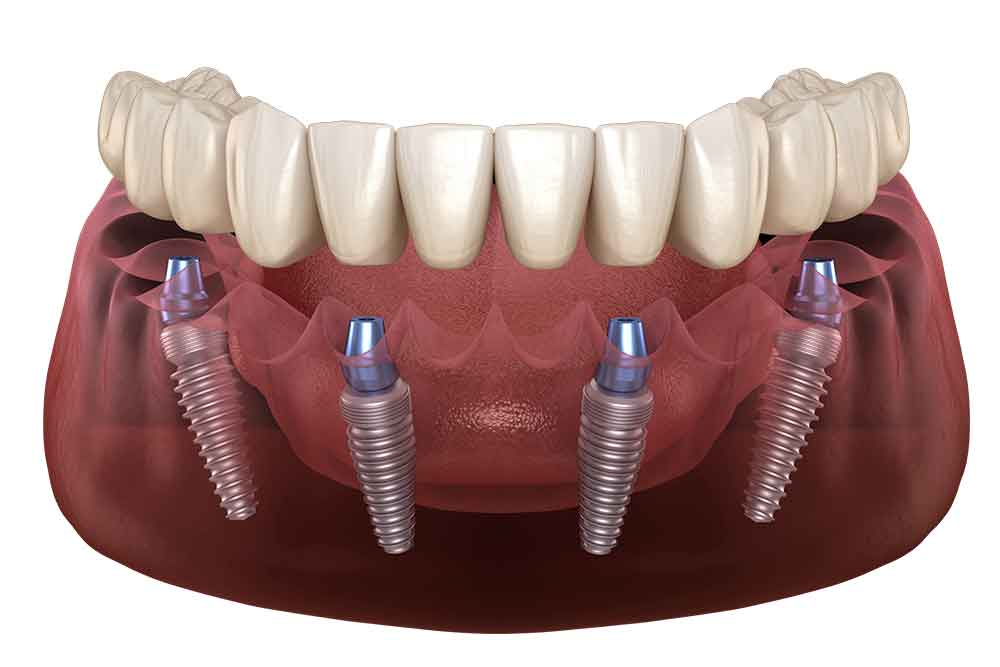

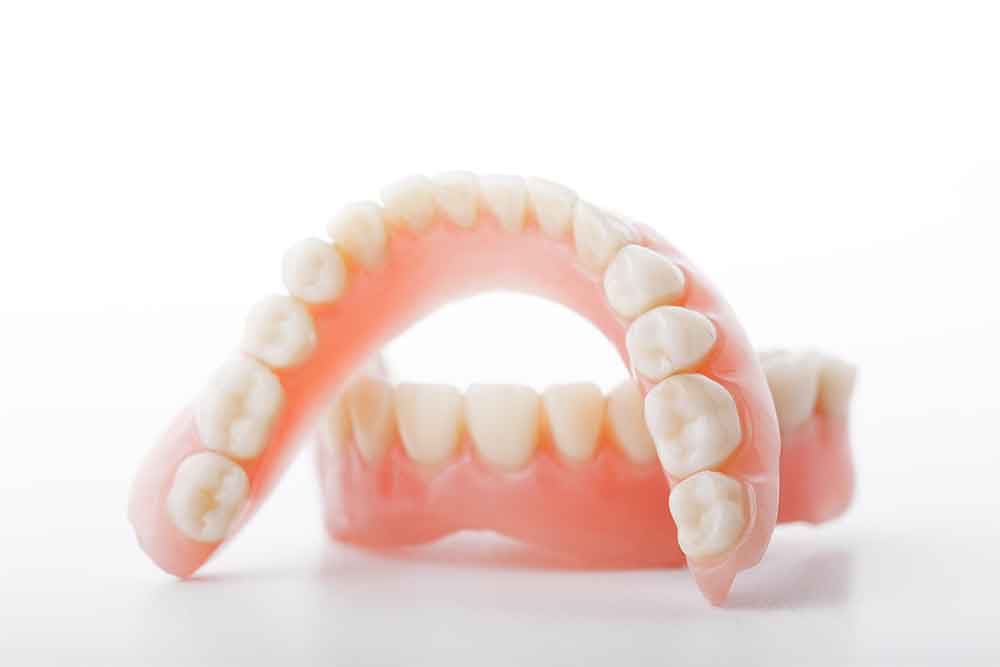
Dentures can be personalized through detailed mouth measurements, impressions, bite records, material selection, tooth positioning, and follow-up adjustments. These steps help create a restoration that feels more secure, supports natural speaking and chewing, and complements the patient’s facial features.
No two mouths are exactly alike, so dentures should not be treated as a one-size-fits-all solution. Bone structure, gum shape, jaw movement, tooth loss, and personal preferences can all affect how a denture should be designed. Understanding the personalization process can help patients know what to expect before, during, and after treatment.
Patients who are considering tooth replacement can also review our denture treatment options in Burlington for more information about available care.
What Information Is Used to Personalize Dentures?
Denture personalization begins with a careful evaluation of the mouth, gums, jaws, and remaining teeth. The dentist may also ask about previous dental work, current concerns, and the patient’s experience with older dentures.
Several details may influence the final design.
The Shape of the Gums and Jaw
The dentist examines the areas where teeth are missing and evaluates the shape of the dental arches. These structures provide the foundation that supports the denture.
Changes in bone volume or gum tissue may affect how securely the appliance rests in the mouth. A denture designed around the patient’s current oral anatomy is more likely to feel stable than one based on general measurements.
The Patient’s Bite
A comfortable denture must allow the upper and lower teeth to come together properly. Dentists record the relationship between the jaws to help establish the correct bite position.
An inaccurate bite may contribute to uneven pressure, soreness, difficulty chewing, or jaw fatigue. Bite records help the dental laboratory place the replacement teeth in a position that supports balanced function.
Facial Proportions
Dentures can affect more than chewing. They may also provide support for the lips and cheeks.
The size, shape, and position of the denture teeth can be selected to complement the patient’s facial proportions. Dentists may evaluate the smile line, lip movement, facial profile, and amount of tooth displayed when the patient speaks or smiles.
Speech Patterns
The position of the front teeth and the thickness of the denture base may influence speech. During the fitting process, patients may be asked to say certain words or sounds.
This allows the dentist to identify areas that may need refinement. Some adjustment is normal when wearing a new denture, but thoughtful tooth positioning can make the transition easier.
How Are Denture Impressions Taken?
Dental impressions create a detailed record of the gums, jaw shape, and surrounding oral structures. They give the dental laboratory the information needed to produce a denture that follows the contours of the patient’s mouth.
The process may involve more than one impression.
Preliminary Impressions
An initial impression provides a general model of the dental arches. This model may be used to create a custom impression tray designed specifically for the patient.
Final Impressions
A final impression captures greater detail. The dentist may shape the impression material around the borders of the gums to record how the lips, cheeks, and tongue move.
These movements matter because a denture must remain comfortable while a person talks, eats, smiles, and swallows. Accurately recording the surrounding tissues can help improve the fit and stability of the finished appliance.
How Are Denture Teeth Selected?
Replacement teeth are available in different sizes, shapes, shades, and materials. Selection is based on more than appearance alone.
The dentist considers the patient’s facial features, previous tooth shape, smile preferences, bite, age, and remaining natural teeth. When photographs or older dental records are available, they may also help guide the design.
Tooth Shape and Size
Teeth that are too large or small may look unnatural or interfere with function. The selected teeth should fit the dental arch while providing an appropriate appearance.
Tooth Shade
Denture teeth do not have to be extremely white to look attractive. A natural-looking shade often blends more comfortably with the patient’s complexion, age, and any remaining teeth.
Patients can discuss their preferences during the planning stage. Some may want a brighter smile, while others prefer a softer, more natural result.
Tooth Arrangement
The way denture teeth are arranged influences the smile, speech, and bite. Small changes in positioning can affect how natural the denture looks and how evenly chewing forces are distributed.
What Materials Are Used to Make Dentures?
The materials used depend on the type of denture, the patient’s oral condition, and the treatment plan.
Acrylic Resin
Acrylic is commonly used for denture bases and replacement teeth. It can be shaped and shaded to resemble gum tissue and natural teeth.
Acrylic dentures may also be easier to adjust or repair than some other materials. However, they can wear over time and require ongoing evaluation.
Metal Frameworks
Some removable partial dentures use a metal framework for strength and support. The framework may connect to remaining natural teeth with clasps or other attachments.
Metal frameworks can be thin and durable, but they are not appropriate for every patient. The choice depends on the location of missing teeth, the health of the remaining teeth, and the overall design.
Flexible Materials
Certain partial dentures use flexible materials that adapt to the shape of the mouth. They may offer aesthetic benefits because the clasps can be less noticeable.
Flexibility does not automatically mean the appliance is the best choice. Repair options, stability, bite forces, and future dental changes should also be considered.
What Happens During a Denture Try-In?
Before the final denture is completed, patients may have a wax try-in. During this appointment, the replacement teeth are arranged in wax so the dentist and patient can evaluate the design.
The try-in may be used to review:
- Tooth shade and shape
- Smile appearance
- Lip and cheek support
- Tooth position
- Speech
- Bite alignment
- Overall comfort
Because the denture has not yet been permanently processed, changes may be easier to make at this stage. Patients should speak openly about appearance or comfort concerns during the try-in.
Why Are Adjustments Often Needed After Delivery?
Even a carefully designed denture may require adjustments after it is placed. The gums and oral tissues need time to adapt to the new appliance.
Small pressure areas may become noticeable after the patient wears the denture while speaking and eating. These areas can often be corrected by reshaping specific parts of the denture base.
Patients should not attempt to file, bend, or repair a denture at home. Removing material from the wrong area can damage the appliance or create new fit problems.
Signs That an Adjustment May Be Needed
Contact the dental office when a denture causes:
- Persistent sore spots
- Repeated slipping or movement
- Difficulty closing the bite evenly
- Significant gagging
- Ongoing speech problems
- Pain while chewing
- Irritation that does not improve
Some adaptation is expected, but persistent discomfort should be professionally evaluated.
Can Denture Fit Change Over Time?
Yes. The mouth continues to change after teeth are lost. The jawbone may gradually shrink, and the gums may change shape.
As a result, a denture that once fit well may eventually become loose. This does not necessarily mean the original denture was made incorrectly. It may reflect natural changes in the supporting tissues.
Depending on the condition of the appliance and the mouth, the dentist may recommend:
- A denture adjustment
- A reline
- A rebase
- Repair of damaged areas
- Replacement of the appliance
- Evaluation of another tooth-replacement option
Regular dental visits allow the dentist to monitor fit, tissue health, bite changes, and wear.
How Can Patients Help Maintain Denture Comfort?
Daily care and routine evaluations play an important role in long-term comfort.
Patients should clean their dentures as directed, remove food debris, and avoid using products that could scratch or damage the material. Dentures should also be handled carefully because they may crack if dropped.
It is also important to clean the gums, tongue, and any remaining natural teeth. Denture wearers still need professional oral examinations because irritation, infection, gum changes, and other conditions can develop even when no natural teeth remain.
A loose or damaged denture should not be corrected with household glue or a do-it-yourself repair kit. Professional evaluation can help identify the underlying problem and determine the safest solution.
Frequently Asked Questions About Personalized Dentures
Are personalized dentures the same as cosmetic dentures?
Not necessarily. Personalization includes functional details such as bite position, stability, speech, and comfort. Cosmetic considerations, including tooth shape and shade, are one part of the overall process.
How long does it take to get used to new dentures?
Adjustment time varies. Some patients adapt within a few weeks, while others need more time. Follow-up visits can address sore areas, bite concerns, or fit problems during the transition.
Should new dentures feel tight?
New dentures may feel unfamiliar at first, but they should not cause persistent pain. Excessive pressure, severe soreness, or an uneven bite should be evaluated.
Can an older denture be adjusted?
Some older dentures can be adjusted, repaired, or relined. However, replacement may be more appropriate when the material is worn, the bite has changed significantly, or the appliance no longer supports proper function.
How often should dentures be checked?
Dentures should be examined during routine dental visits. The recommended schedule depends on the patient’s oral health, remaining teeth, medical history, and condition of the appliance.
Learn More About Denture Treatment Options
Personalized dentures are created through a series of measurements, impressions, design choices, fittings, and adjustments. Each stage helps the dentist account for the patient’s oral anatomy, bite, comfort, appearance, and daily needs.
For information about candidacy, available denture types, treatment planning, and appointments, visit our dentures service page.